Introduction to Architecture
Introduction to Architecture
What Is Architecture?
Architecture is the art and science of designing and constructing buildings and other physical structures. But it's more than just putting up walls and a roof. At its core, architecture is about creating spaces for people. It shapes our homes, our workplaces, and our cities, influencing how we live, work, and interact with each other every day.
The purpose of architecture is twofold. First, it must be practical. A building has to stand up, protect us from the elements, and serve its intended function, whether it's a house for a family or a library for a community. The ancient Roman architect Vitruvius called this principle utilitas, or utility.
Second, architecture aims to create beauty and meaning. A well-designed space can inspire awe, provide comfort, or encourage collaboration. This is the art of architecture. Vitruvius identified this as venustas (beauty) and firmitas (strength or durability). These three pillars—utility, beauty, and strength—have been the foundation of good architecture for thousands of years.
Great architecture provides functional, strong, and beautiful spaces that enhance human experience.
Core Principles of Design
To achieve these goals, architects use a set of fundamental principles. These are the basic tools for organizing space and creating a coherent design.
Balance
noun
The distribution of the visual weight of objects, colors, texture, and space. In architecture, it creates a sense of stability and equilibrium.
There are three main types of balance:
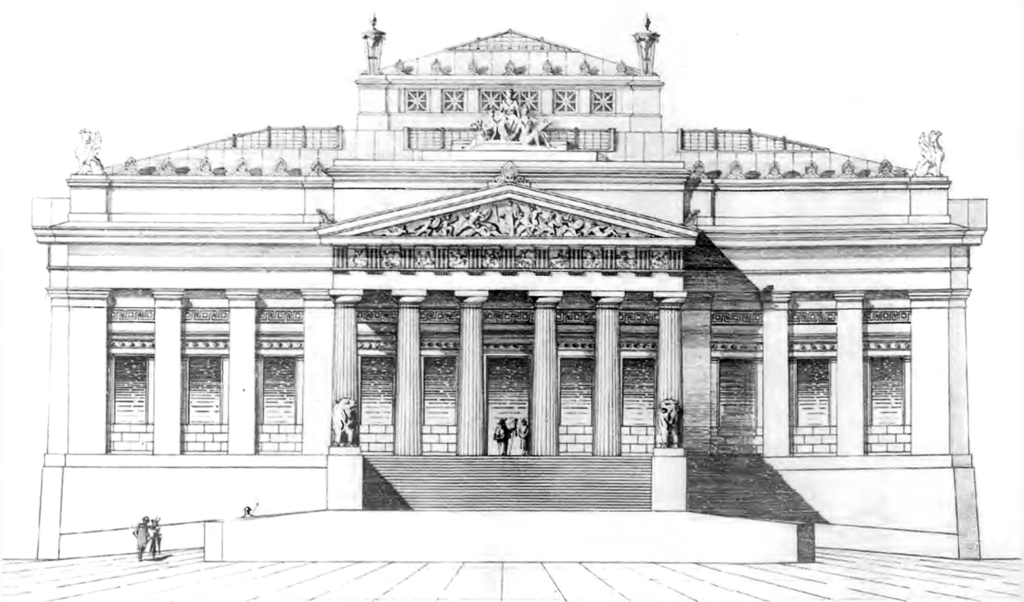
- Symmetrical Balance: This is when the elements on one side of a central axis are a mirror image of the elements on the other side. Think of a classic Greek temple, where the columns on the left are perfectly matched by the columns on the right. It feels formal, stable, and orderly.
- Asymmetrical Balance: Here, the two sides are not identical, but the elements are arranged to have a similar visual weight. A large window on one side might be balanced by a smaller window and a door on the other. This often feels more dynamic and modern.
- Radial Balance: Elements are arranged around a central point, like the spokes of a wheel or the petals of a flower. This is often seen in domes and circular rooms, creating a strong focal point.
Proportion and scale are closely related concepts that deal with size. Proportion refers to the relationship between the sizes of different parts within a single object or building. For example, how wide are the windows in relation to their height? How large is the door compared to the wall it's in?
Scale, on the other hand, relates the size of a building or its components to something else—most often, the human body. A doorway is scaled to a person so we can walk through it comfortably. A grand hall with towering ceilings feels impressive because its scale is much larger than what we're used to.
Finally, material selection is a crucial decision. The materials an architect chooses—wood, stone, glass, concrete, steel—affect a building's strength, cost, and sustainability. But they also have a huge impact on how a building looks and feels. A log cabin feels warm and rustic because of the wood. A skyscraper clad in glass and steel feels sleek, modern, and powerful. The choice of material helps tell the story of the building and connect it to its surroundings.
Shaping Our World
Architecture is a powerful reflection of culture. The design of a building can tell us a lot about the values, beliefs, and technologies of the society that created it. For instance, the grand cathedrals of Gothic Europe, with their soaring vaults and stained-glass windows, were designed to evoke a sense of divine wonder and express religious devotion.
Beyond reflecting culture, architecture actively shapes it by influencing our behavior and emotions. The layout of an office can encourage collaboration or isolated work. The design of a public park can invite people to gather and relax. A well-designed home can be a sanctuary that provides comfort and peace.
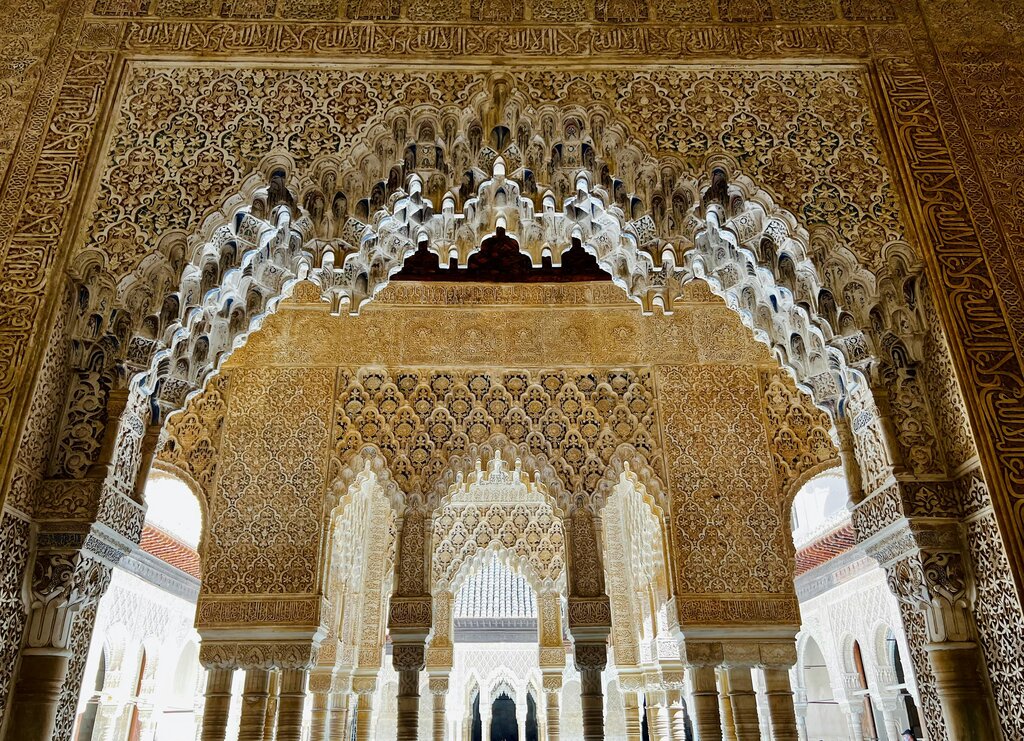
Architecture is a reflection of the cultures from which it emerges, shaped by historical context, geographic variations, and social structures.
By understanding these fundamental concepts, we can start to see the world around us differently. We can appreciate not just what a building looks like, but why it was designed that way and how it impacts our lives.
Ready to test your knowledge? Let's see what you've learned about the foundations of architecture.
The ancient Roman architect Vitruvius identified three fundamental principles for good architecture. What are they?
What is the key difference between 'proportion' and 'scale' in architecture?
Thinking about architecture means looking at the purpose and feeling behind every designed space, from a single room to an entire city.