Introduction to Architecture
Introduction to Architectural Design
What is Architectural Design?
Architectural design is the art and science of creating buildings and spaces. It's about more than just drawing blueprints; it's a way of thinking that solves problems. At its heart, design is about finding a thoughtful balance between three key ideas: form, function, and aesthetics.
Think of it like designing a simple chair. It must be strong enough to support a person (function), it needs a seat, back, and legs (form), and it can be designed to look elegant, rustic, or modern (aesthetics). A good design considers all three.
In architecture, function is about how a building works for the people who use it. Does a hospital have clear pathways for doctors and patients? Is a home's kitchen laid out efficiently? Form refers to the building's shape and structure—its physical presence. Aesthetics is the building's beauty and the feeling it evokes. A successful design weaves these three elements together into a cohesive whole.
The Building Blocks of Design
To create effective designs, architects use a set of guiding principles. These are like the grammar of a language, helping to organize elements into a composition that makes sense. Let's look at a few of the most important ones.
Balance is about achieving visual equilibrium. It's the way the different parts of a building are arranged to create a sense of stability. There are two main types of balance: symmetrical and asymmetrical.
Symmetrical balance creates a feeling of formality and order. Think of ancient temples or grand government buildings. Asymmetrical balance is more dynamic and modern. It feels less rigid but still stable, achieving balance through the careful placement of different elements.
Proportion
noun
The relationship in size between the different parts of a design.
Proportion is all about relationships. It's how the size of a window relates to the size of a wall, or how the height of a column relates to the roof it supports. When the proportions are right, a building feels harmonious and pleasing to the eye. Get them wrong, and a space can feel awkward or unsettling.
Closely related to proportion is scale, which refers to how the size of a building or its elements relates to us as humans. A massive cathedral is designed to make you feel small and awestruck, while a cozy cottage is scaled to feel comfortable and intimate. Scale helps a building fit into its surroundings and connect with the people who use it.
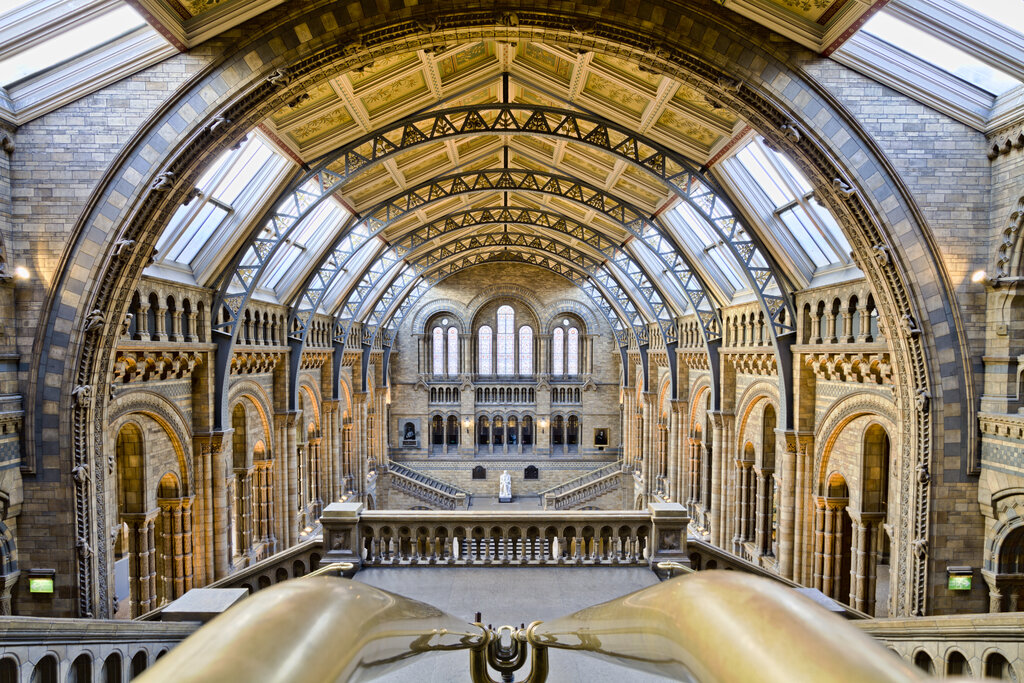
Harmony is the principle that brings everything together. It's achieved when all the parts of a design—the shapes, textures, colors, and materials—work together to create a unified and coherent whole. A harmonious design feels complete and intentional.
The Role of Materials
An architect's choice of materials goes far beyond practical concerns like cost and durability. Materials are fundamental to a building's form and feel. The texture of brick, the warmth of wood, the transparency of glass, or the solidity of concrete all contribute to the story a building tells.
| Material | Common Aesthetic Qualities |
|---|---|
| Wood | Warm, natural, versatile |
| Glass | Transparent, light, modern |
| Concrete | Solid, industrial, minimalist |
| Steel | Strong, sleek, precise |
| Brick | Textured, traditional, durable |
A designer might use large panes of glass to connect a living room to a garden, making the space feel open and boundless. They might use rough-hewn stone to give a building a sense of permanence and connection to the earth. The properties of a material directly influence the design possibilities. Selecting the right materials is crucial for turning a design concept into a physical reality that looks and feels the way the architect intended.
An architect designing a hospital ensures that the emergency room is easily accessible from the ambulance bay and that patient rooms are quiet and private. Which of the three key ideas of architectural design is most directly being addressed?
Which design principle deals with the relationship between the sizes of different parts of a building, like the size of a window compared to the size of the wall it's on?
These foundational principles—the balance of form and function, the grammar of design, and the thoughtful use of materials—are the starting point for all architectural creation.