Introduction to Arabic Language
Arabic Alphabet
Meet the Arabic Alphabet
The Arabic alphabet is the foundation of the language. It consists of 28 letters. At first glance, the curvy, dot-filled script might seem complex, but it's more systematic than it appears. The most important thing to know is that Arabic is written and read from right to left, the opposite of English.
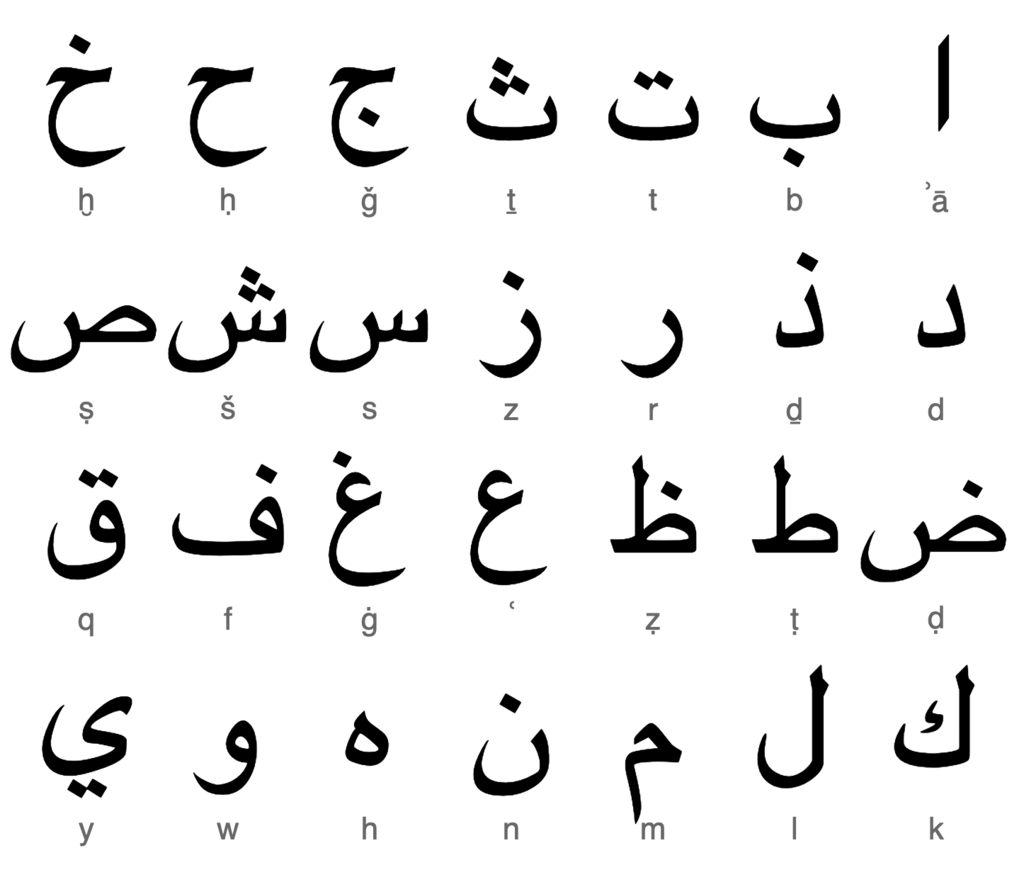
Think of reading a book. In English, your eyes move from the top-left corner across to the right, then snap back to the left for the next line down. In Arabic, you'll start at the top-right corner, read across to the left, and then go to the next line.
Get used to moving your eyes from right to left across the page. It's a small change that makes a huge difference.
One Letter, Four Shapes
Here’s the next key idea: Arabic letters change their shape depending on where they are in a word. This is because, like cursive handwriting, most letters connect to their neighbors. Each letter has up to four forms:
- Isolated: When the letter stands by itself.
- Initial: When it's the first letter in a word.
- Medial: When it's in the middle of a word, connected on both sides.
- Final: When it's the last letter in a word.
Don't worry about memorizing every form at once. You'll quickly see that the changes follow a predictable pattern. The core shape of the letter usually stays the same, and the connections are just small extensions. However, six letters are known as "non-connectors." They will only connect to the letter before them, but never to the letter after them. This means they only have an isolated and a final form; their initial form looks like the isolated form, and their medial form looks like the final form.
The 28 Letters
Now, let's go through all 28 letters. The table below shows each letter's name, its isolated form, its approximate pronunciation, and its different shapes. The six non-connecting letters are marked with an asterisk (*).
| Letter (Isolated) | Name | Pronunciation (Approx. English) | Initial | Medial | Final |
|---|---|---|---|---|---|
| ا | Alif * | 'a' as in 'car' | ا | ـا | ـا |
| ب | Bā' | 'b' as in 'bed' | بـ | ـبـ | ـب |
| ت | Tā' | 't' as in 'top' | تـ | ـتـ | ـت |
| ث | Thā' | 'th' as in 'three' | ثـ | ـثـ | ـث |
| ج | Jīm | 'j' as in 'jam' | جـ | ـجـ | ـج |
| ح | Ḥā' | A breathy 'h' sound from the throat | حـ | ـحـ | ـح |
| خ | Khā' | Like the 'ch' in 'loch' | خـ | ـخـ | ـخ |
| د | Dāl * | 'd' as in 'dog' | د | ـد | ـد |
| ذ | Dhāl * | 'th' as in 'this' | ذ | ـذ | ـذ |
| ر | Rā' * | A rolled 'r' sound | ر | ـر | ـر |
| ز | Zāy * | 'z' as in 'zoo' | ز | ـز | ـز |
| س | Sīn | 's' as in 'see' | سـ | ـسـ | ـس |
| ش | Shīn | 'sh' as in 'shoe' | شـ | ـشـ | ـش |
| ص | Ṣād | A heavier, emphatic 's' sound | صـ | ـصـ | ـص |
| ض | Ḍād | A heavier, emphatic 'd' sound | ضـ | ـضـ | ـض |
| ط | Ṭā' | A heavier, emphatic 't' sound | طـ | ـطـ | ـط |
| ظ | Ẓā' | A heavier, emphatic 'th' sound | ظـ | ـظـ | ـظ |
| ع | 'Ayn | A deep guttural sound with no English equivalent | عـ | ـعـ | ـع |
| غ | Ghayn | A sound like a French 'r', gargled in the back of the throat | غـ | ـغـ | ـغ |
| ف | Fā' | 'f' as in 'fish' | فـ | ـفـ | ـف |
| ق | Qāf | A 'k' sound made further back in the throat | قـ | ـقـ | ـق |
| ك | Kāf | 'k' as in 'key' | كـ | ـكـ | ـك |
| ل | Lām | 'l' as in 'light' | لـ | ـلـ | ـل |
| م | Mīm | 'm' as in 'man' | مـ | ـمـ | ـم |
| ن | Nūn | 'n' as in 'no' | نـ | ـنـ | ـن |
| ه | Hā' | 'h' as in 'hat' | هـ | ـهـ | ـه |
| و | Wāw * | 'w' as in 'water' or long 'oo' as in 'moon' | و | ـو | ـو |
| ي | Yā' | 'y' as in 'yes' or long 'ee' as in 'see' | يـ | ـيـ | ـي |
The best way to learn these is through practice. Take a piece of paper and try writing each letter in its different forms. Notice how the dots and basic shapes are your guideposts. Getting comfortable with the alphabet is the first and most important step to reading and writing Arabic.