Introduction to Analysis
Introduction to Analysis
What Is Analysis?
At its core, analysis is simply the process of breaking down a large topic or substance into smaller parts to gain a better understanding of it. Instead of looking at a complex problem as one giant, tangled mess, you take it apart, piece by piece. By examining the components and how they relate to each other, you can start to see the bigger picture more clearly.
Think of it like taking apart a clock. To understand how it tells time, you need to look at the individual gears, springs, and hands. Analysis is the same idea, but for concepts, problems, and data.
This process isn't just about disassembly. After breaking something down, the next step is to examine how those smaller parts work together. It's a method of thinking that moves you from confusion to clarity. It helps you identify patterns, understand cause-and-effect relationships, and uncover insights that weren't obvious at first glance.
Analysis is the act of breaking something down to its chief components and figuring out how those components work.
A Brief History
Analytical thinking isn't a new invention. Its roots stretch back to ancient Greece, where philosophers like Socrates and Aristotle used systematic questioning and logic to dissect arguments and understand the world. They were early pioneers of breaking down complex ideas into their fundamental parts to test their validity.
The concept truly took off during the Scientific Revolution. Thinkers like Francis Bacon and René Descartes championed a structured, methodical approach to inquiry. They argued that to truly know something, you couldn't just accept it; you had to investigate, experiment, and analyze it. This laid the groundwork for the scientific method, which is essentially a formal process for analysis.
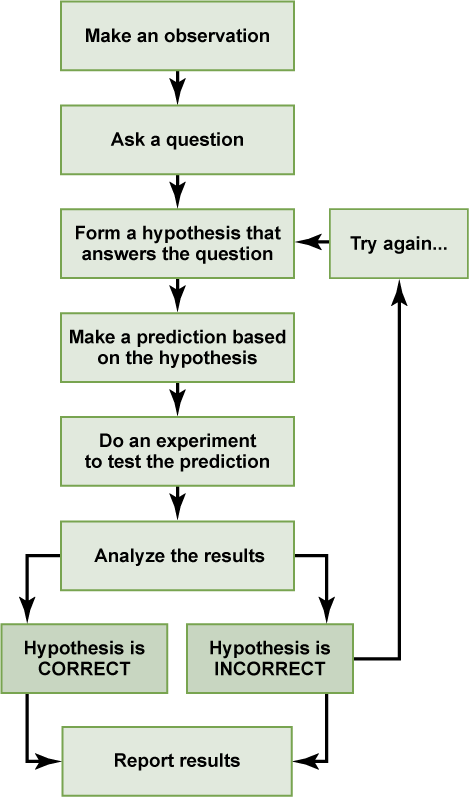
From there, analytical methods evolved and specialized. The rise of statistics in the 19th and 20th centuries brought powerful new tools for analyzing data. Today, in the age of big data and artificial intelligence, the principles of analysis are more important than ever, driving innovation in nearly every field.
Solving Problems with Analysis
So, how does analysis help solve real-world problems? By providing a clear framework for thinking. When you're faced with a challenge, whether it's fixing a bug in code or figuring out a business strategy, the first step is often to analyze the situation.
This involves gathering information, identifying the key factors, and understanding the relationships between them. It’s a process of transforming a vague, overwhelming problem into a set of smaller, more manageable questions. Once you've broken the problem down, you can tackle each part individually.
This structured approach prevents you from jumping to conclusions. It forces you to base your decisions on evidence and logic rather than on assumptions or gut feelings. It's a powerful tool for making smarter, more effective choices in any situation.
Analysis Everywhere
Analysis isn't confined to science labs or boardrooms. We use it all the time in our daily lives, often without even realizing it. When you read a product review to decide on a purchase, you're analyzing information. When you try to figure out why your plant is wilting, you're analyzing potential causes—sunlight, water, soil.
Professionally, its applications are vast:
- In Business, analysts study market trends to predict sales and inform strategy.
- In Medicine, doctors analyze a patient's symptoms to diagnose an illness.
- In the Humanities, a literary critic analyzes a novel's themes, characters, and structure to interpret its meaning.
- In Engineering, a team analyzes the stress points in a bridge design to ensure its safety.
In each case, the fundamental principle is the same: complex information is broken down into understandable components to reveal underlying patterns and truths.
What is the primary goal of analysis?
Which historical period was most foundational for developing a structured, methodical approach to analysis that led to the scientific method?
Ultimately, learning to think analytically is about developing a mindset of curiosity and critical inquiry. It’s a skill that helps you navigate a complex world with greater confidence and insight.