Introduction to American Sign Language
ASL Alphabet
Fingerspelling Basics
In American Sign Language, you don't just use signs for whole words. Sometimes, you need to spell things out. This is called fingerspelling, and it's essential for names, places, and any word that doesn't have its own sign. Think of it as having a complete alphabet right at your fingertips.
Each letter in the English alphabet has a corresponding handshape in ASL. At first, it might feel like learning a secret code, but with a little practice, your hands will learn to form the letters smoothly.
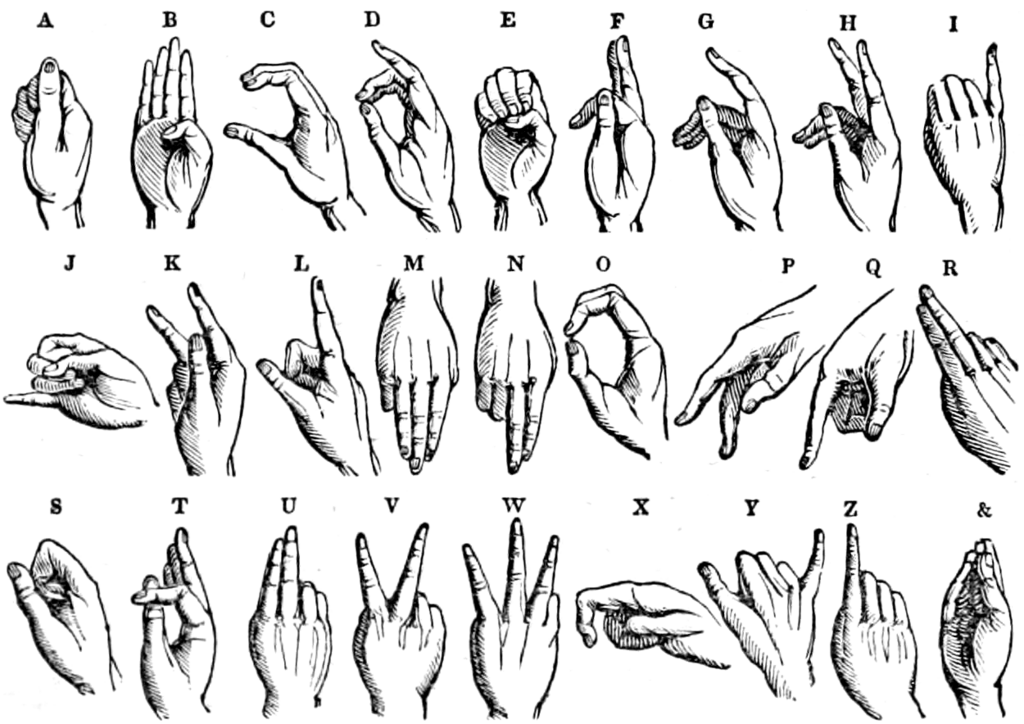
How to Fingerspell
Good fingerspelling is clear and easy to read. It's not about speed, especially when you're starting out. Focus on forming each letter shape correctly.
Hold your dominant hand in a comfortable position in front of your shoulder, with your palm facing forward. Keep your elbow down and relaxed. When you spell a word, try to create a smooth, steady rhythm. Pause slightly between words to show you've finished one and are about to start another.
Avoid bouncing your hand up and down for each letter. Instead, hold your hand steady and let your fingers do the work.
Some letters look very similar from the front, like M and N, or S and T. The key differences are often subtle, like how many fingers are tucked under the thumb. For double letters, like in the name "Anna," you can either make a small bounce to the side or slightly open and close the handshape to indicate the repetition.
Time to Practice
The best way to learn is by doing. Start with the most important word you know: your name. Spell it out slowly, looking at the alphabet chart as a guide. Say each letter out loud as you form the shape with your hand. This helps connect the visual shape to the letter it represents.
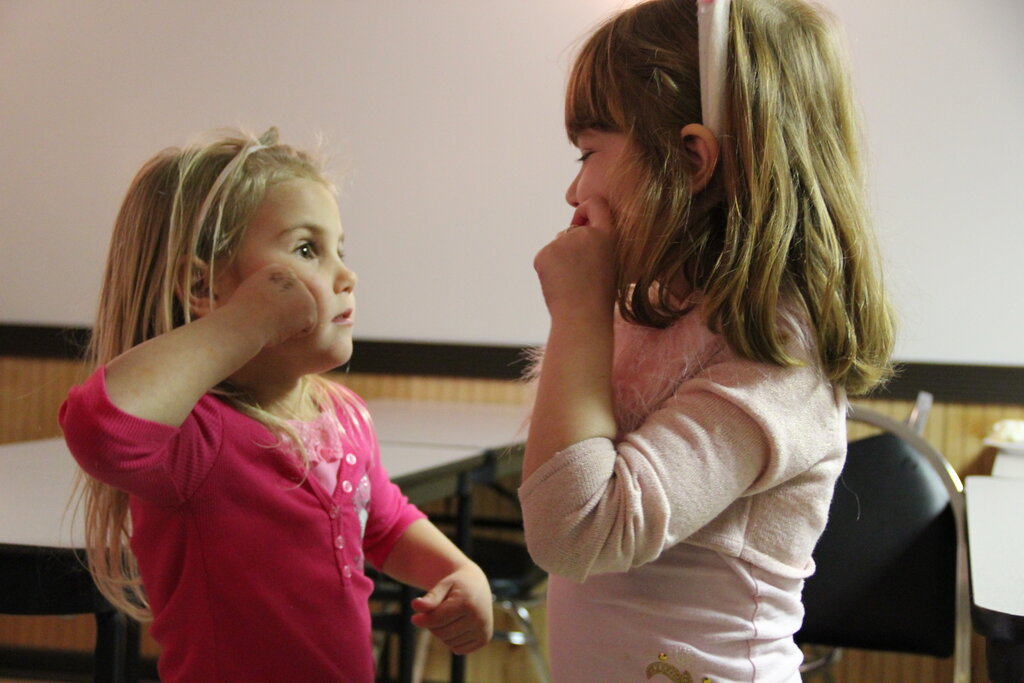
Once you're comfortable with your name, try some simple three-letter words like "cat," "dog," or "sun." Don't worry about being fast. Clarity is much more important than speed. As you practice, you'll build muscle memory, and the movements will become more natural.
Ready to check what you've learned?
What is the primary purpose of fingerspelling in American Sign Language?
When you are first learning to fingerspell, which of the following is most important?
Fingerspelling is a fundamental part of ASL that opens up a world of communication. Keep practicing, and soon it will feel like second nature.