Introduction to Amazon Web Services
Introduction to AWS
What is AWS?
Amazon Web Services, or AWS, is a cloud computing platform. Think of it like this: instead of buying and managing your own physical servers in a closet, you can rent computing power, storage, and other services from Amazon. They own and maintain the hardware in massive data centers around the globe, and you access it over the internet.
AWS is a comprehensive cloud services platform offering on-demand infrastructure, software, and platforms for businesses of all sizes.
This means you can launch a virtual server, store files, or run a database with just a few clicks. AWS offers hundreds of services, but they all run on top of its massive, worldwide infrastructure.
A Global Network
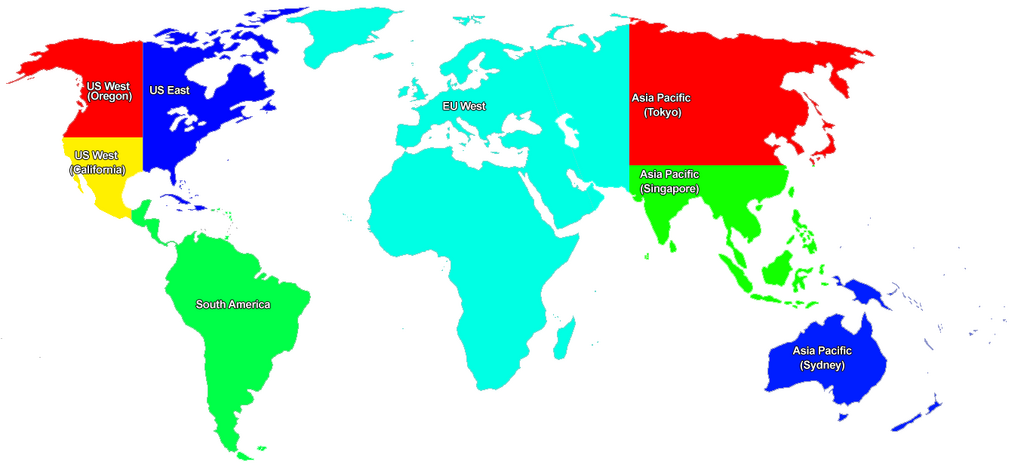
The power of AWS comes from its physical presence around the world. This global infrastructure is designed to be highly reliable and fast. It's built around two key concepts: Regions and Availability Zones.
Region
noun
A physical location in the world where AWS clusters data centers. For example, 'US East' in Northern Virginia or 'EU West' in Ireland are Regions.
Each Region is a separate geographic area, completely independent of the others. This allows you to place your resources closer to your users to reduce latency, or to meet legal requirements about where data can be stored.
Within each Region, there are multiple, isolated locations known as Availability Zones, or AZs.
An Availability Zone consists of one or more data centers. Each AZ is physically separate from the others, with its own independent power, cooling, and networking. They're close enough for high-speed connections but far enough apart to protect against disasters like fires or floods affecting an entire Region.
This structure is the foundation of building resilient applications. By deploying your application across multiple AZs, you can ensure it stays online even if one entire data center (or AZ) fails.
Benefits of AWS
Why do so many businesses use AWS? It comes down to a few core advantages over traditional infrastructure.
| Benefit | Description |
|---|---|
| Trade Capital Expense for Variable Expense | Instead of investing heavily in data centers and servers before you know how you’re going to use them, you pay only when you consume computing resources. |
| Benefit from Massive Economies of Scale | By using cloud computing, you can achieve a lower variable cost than you can get on your own. Because usage from hundreds of thousands of customers is aggregated in the cloud, providers like AWS can achieve higher economies of scale, which translates into lower pay-as-you-go prices. |
| Stop Guessing Capacity | You can access as much or as little capacity as you need, and scale up and down as required with only a few minutes’ notice. |
| Increase Speed and Agility | The cost and time it takes to experiment and develop is significantly lower. You can spin up hundreds of servers in minutes for a new project and shut them down just as quickly when you're done. |
| Go Global in Minutes | Easily deploy your application in multiple Regions around the world with just a few clicks. This means you can provide lower latency and a better experience for your customers at minimal cost. |
A key concept to understand is the Shared Responsibility Model. AWS is responsible for the security of the cloud—the physical hardware, the data centers, and the global network. You, the customer, are responsible for security in the cloud. This includes managing your data, controlling who has access to your resources, and configuring your applications securely.
Understand what AWS is responsible for (security of the cloud) and what you, as the customer, are responsible for (security in the cloud).
Think of it like renting an apartment. The landlord is responsible for the building's security, the plumbing, and the electricity. But you are responsible for locking your own door and deciding who you let inside your apartment.
Let's check your understanding of these foundational concepts.
What is the primary function of Amazon Web Services (AWS)?
How are AWS Regions and Availability Zones (AZs) related?
With this foundation in place, you're ready to start exploring the core services that AWS offers.