Introduction to Amazon Web Services
Introduction to AWS
What Is Cloud Computing?
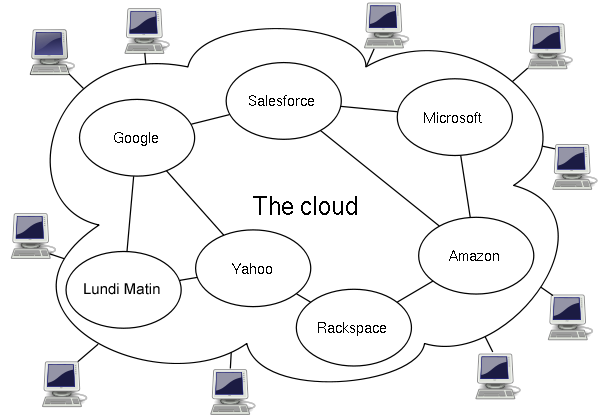
Think about how you listen to music or watch movies. A decade or two ago, you probably owned physical CDs or DVDs. Now, you likely stream them from services like Spotify or Netflix. You're accessing a massive library of content stored on someone else's computers, available to you anytime, anywhere, over the internet. That's the core idea behind cloud computing.
Instead of buying and managing your own physical servers and data centers, you can access computing services—like processing power, storage, and databases—from a cloud provider. It's like renting computing power instead of owning it.
Cloud Computing
noun
The on-demand delivery of IT resources over the internet with pay-as-you-go pricing. It allows you to access technology services from a cloud provider like Amazon Web Services (AWS).
This model comes with several powerful advantages.
Cost Savings: You trade capital expenses (like buying servers) for variable expenses. You only pay for the computing resources you actually use.
Flexibility: You can instantly scale up your resources when your website gets a surge in traffic, and scale back down when it's quiet. This is called elasticity.
Speed & Agility: New resources are just a click away. This means you can develop and launch applications much faster than before.
Enter AWS
Amazon Web Services (AWS) is the world’s most popular cloud platform. Launched in 2006, it started by offering a few simple services but has since grown into a massive collection of over 200 services. From running websites and mobile apps to powering machine learning models and storing vast amounts of data, AWS provides the building blocks for almost any technology you can imagine.
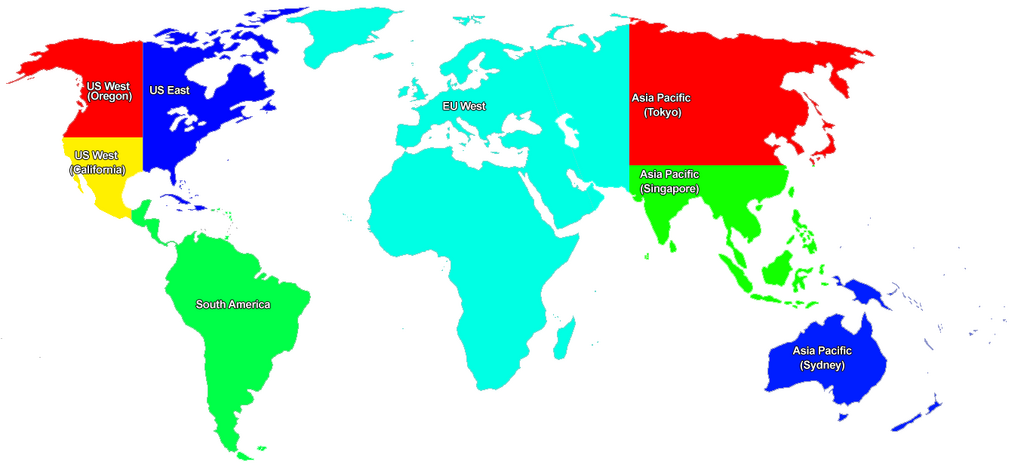
A key reason for the power of AWS is its physical footprint. The service is built on a network of data centers spread across the globe. This global infrastructure is organized into two main concepts:
-
Regions: These are physical geographic locations around the world, like Northern Virginia, Ireland, or Tokyo. Each region is a separate geographic area.
-
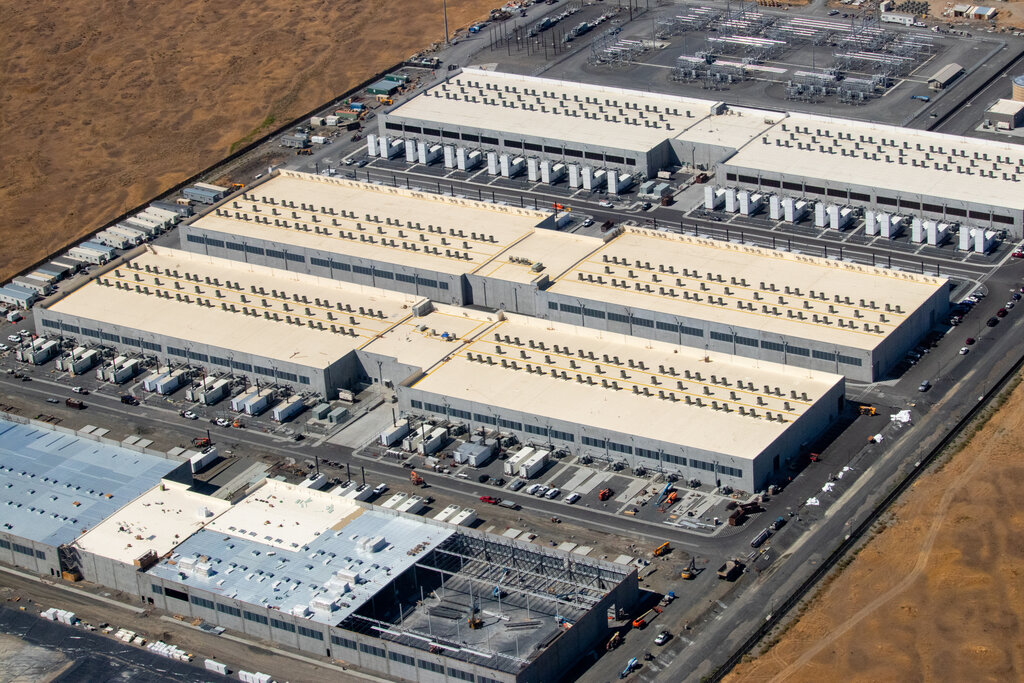
Availability Zones (AZs): Each Region consists of multiple, isolated, and physically separate AZs. An AZ is one or more data centers with its own power, cooling, and networking. They are close enough for low-latency communication but far enough apart that a single disaster (like a fire or flood) wouldn't take out the whole region.
This structure is designed for high availability and reliability. By deploying your application across multiple AZs, you can ensure it stays online even if one entire data center fails.
Why Choose AWS?
Beyond its massive scale, AWS offers several key advantages that make it a leader in the cloud space.
First is its comprehensive suite of services. Whatever your goal—from simple web hosting to complex data analytics—there's likely a managed AWS service that can help. This saves developers from having to build everything from scratch. Instead of managing your own database server, you can use Amazon's Relational Database Service (RDS) and let AWS handle the backups, patches, and maintenance.
Second is security. AWS invests heavily in securing its infrastructure. While you are still responsible for securing what you build on the cloud, AWS provides a highly secure foundation to build upon. They offer a wide range of security tools to help you protect your data and applications.
Finally, the pay-as-you-go pricing model is a game-changer. For startups and large enterprises alike, the ability to experiment with new ideas without a massive upfront investment in hardware lowers the barrier to innovation. You can try something new, and if it doesn't work, you can simply turn it off and stop paying for it.
If you want to try AWS without large commitments, sign up for the AWS Free Tier and experiment with a few simple exercises: create an S3 bucket, launch a tiny EC2 instance, or deploy a static site.
Let's check your understanding of these core concepts.
Which statement best describes the core idea of cloud computing?
What is the relationship between an AWS Region and an Availability Zone (AZ)?
This foundation gives you a starting point for understanding how the cloud works and what makes AWS such a powerful platform. As you continue, you'll learn about the specific services that make up this vast ecosystem.