Introduction to AI Video Generation
Introduction to AI Video Generation
From Script to Screen, Instantly
AI video generation is the process of using artificial intelligence to create new video content. Instead of a camera, actors, and a film crew, the core of this process is a generative AI model. You provide an input—a line of text, an image, or even an existing video clip—and the AI synthesizes a completely new video based on the patterns it learned from a massive dataset.
Think of it not as editing existing footage, but as dreaming up new footage from scratch, guided by your instructions.
This technology is a natural extension of the generative models you're likely familiar with, which create text or still images. It leverages similar deep learning principles but adds the complex dimensions of time and motion. The goal is to create sequences of frames that are not only visually coherent on their own but also flow together logically to depict action.
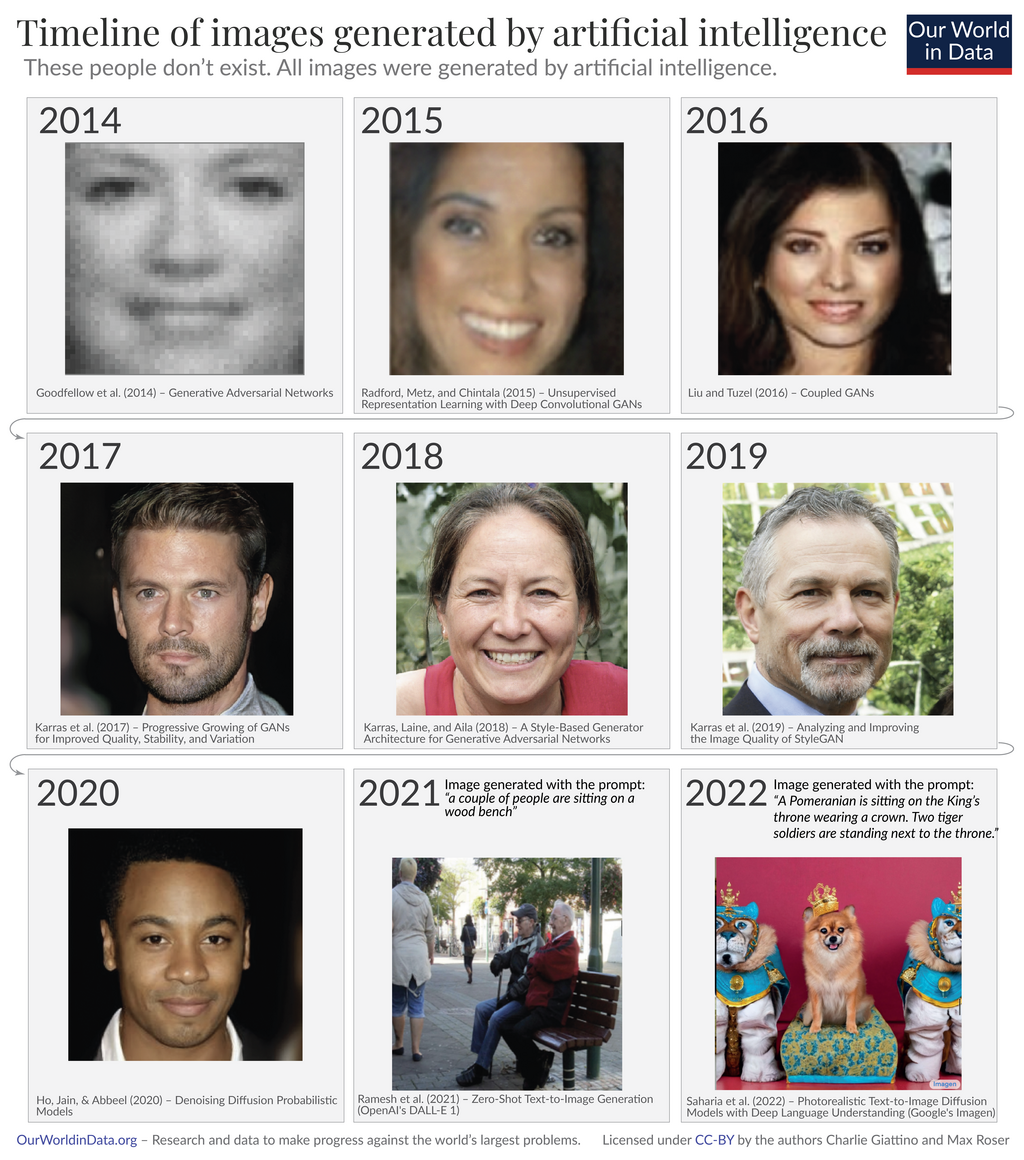
The journey of AI in media didn't start with video. It began decades ago with computer-generated imagery (CGI) in films, which required meticulous manual programming and artistry. The major shift came with machine learning. Instead of programming every detail, developers began training models to understand visual concepts. This evolution from procedural generation to learned synthesis is what makes today's AI video tools possible. Early experiments were blurry and short, but as models grew more sophisticated, they started producing high-fidelity, coherent motion.
A New Production Pipeline
Traditional video production is a linear, labor-intensive process. It involves distinct stages like scriptwriting, storyboarding, casting, shooting, editing, and post-production for visual effects and sound. Each step requires specialized skills, expensive equipment, and significant time and coordination.
Changing a scene's location in a traditional shoot could mean flying a whole crew to a new country. With AI, it might just mean changing a word in a prompt.
AI-driven methods collapse this pipeline. The pre-production, production, and post-production phases blur into a single, iterative cycle of prompting and refinement. This fundamental shift changes not just the speed and cost of creation, but who can create.
| Feature | Traditional Production | AI-Driven Production |
|---|---|---|
| Time | Weeks to months | Minutes to hours |
| Cost | High (equipment, crew, locations) | Low (software subscription) |
| Skillset | Specialized (cinematography, editing) | Creative (prompting, ideation) |
| Flexibility | Low (reshoots are costly) | High (iterations are fast) |
| Scale | Limited by budget and logistics | Virtually unlimited |
By automating key parts of the creation process, AI acts as a powerful assistant or, in some cases, the primary creator. It can generate background plates for visual effects, create animated characters from a sketch, or even produce entire marketing videos from a product description. This automation handles the technical heavy lifting, freeing the human creator to focus on the story and vision.
This transformation introduces new creative possibilities. A filmmaker can visualize a complex sci-fi scene in minutes, not months. A small business owner can create a professional-looking advertisement without hiring an agency. The barrier to entry for high-quality video creation is dramatically lowered, democratizing a medium that was once accessible only to well-funded studios.
What is the central element used in AI video generation to create new content?
How does the workflow of AI video creation primarily differ from the traditional video production pipeline?