Introduction to AI Models
Introduction to AI
What Is Artificial Intelligence?
Artificial intelligence, or AI, is the science of making machines that can think, learn, and solve problems like humans. The goal is to create systems that can perform tasks that typically require human intelligence, such as understanding language, recognizing patterns, and making decisions.
Think of it this way: when you teach a dog a new trick, you're using principles of learning and repetition. AI works similarly, but on a much larger scale with computers and data.
Artificial Intelligence
noun
A field of computer science dedicated to creating systems capable of performing tasks that normally require human intelligence.
AI isn't a single technology. It's a broad field that includes many different approaches and techniques. At its core, AI is about building smart systems that can process information and act upon it in an intelligent way.
A Brief History of AI
The idea of intelligent machines has been around for centuries, but the modern field of AI began to take shape in the 1950s. A key moment was when British computer scientist Alan Turing proposed a test, now called the Turing Test, to determine if a machine could exhibit intelligent behavior indistinguishable from that of a human.
A few years later, in 1956, a group of researchers gathered at Dartmouth College for a summer workshop. It was here that the term "artificial intelligence" was officially coined, marking the birth of AI as a formal field of study. The years that followed saw waves of excitement and funding, as well as periods of disappointment known as "AI winters," when progress stalled and interest waned.
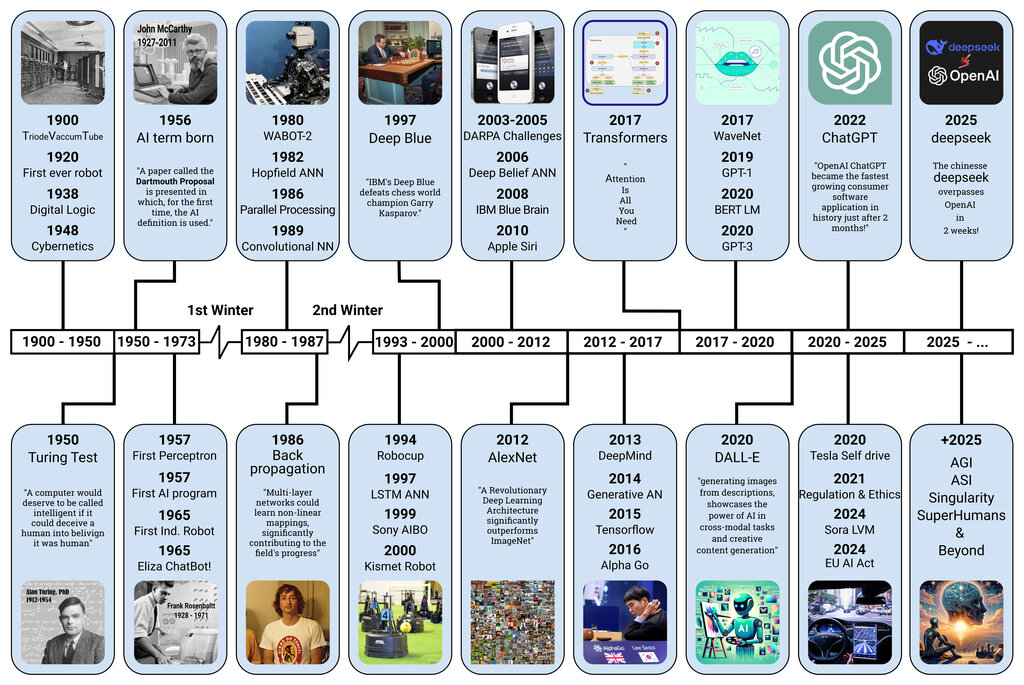
Despite these ups and downs, the foundational work laid during these early decades was crucial. It set the stage for the explosive growth we see today, driven by massive increases in computing power and the availability of vast amounts of data.
Key Breakthroughs
Several key breakthroughs have propelled AI from a theoretical concept to a practical reality. One of the most famous early examples was in 1997, when IBM's chess-playing computer, Deep Blue, defeated world champion Garry Kasparov. This event demonstrated that a machine could master a complex, strategic game once thought to be the exclusive domain of human intellect.
More recently, the rise of machine learning and deep learning has been transformative. These are subfields of AI that allow computers to learn from data without being explicitly programmed for every task. Instead of writing rules by hand, developers create algorithms that can identify patterns and make predictions on their own.
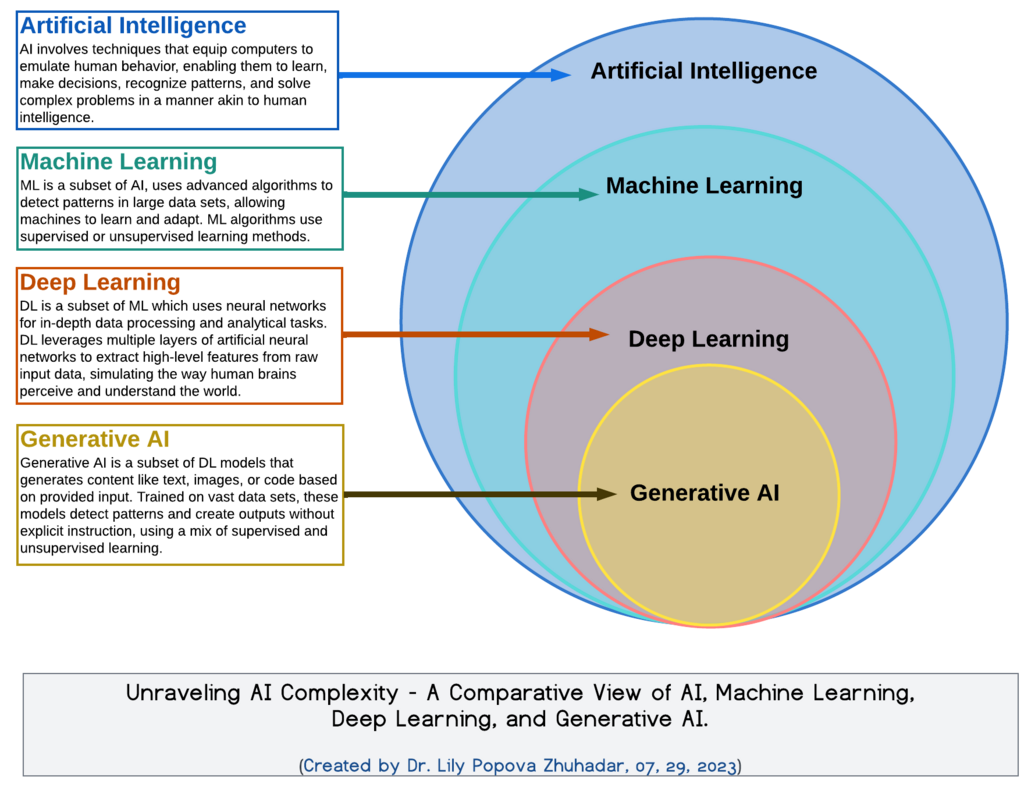
This approach has led to stunning advances in areas like image recognition, natural language processing, and generative AI, which can create new content like text, images, and music.
AI in the Real World
Today, AI is no longer just a subject of science fiction. It's a powerful tool that's integrated into countless aspects of our daily lives and is reshaping entire industries. From the recommendation engines that suggest what to watch next to the navigation apps that find the fastest route, AI is working behind the scenes to make technology more helpful and intuitive.
| Industry | AI Application |
|---|---|
| Healthcare | Analyzing medical images to detect diseases earlier. |
| Finance | Identifying fraudulent transactions in real-time. |
| Transportation | Developing self-driving cars and optimizing traffic flow. |
| Entertainment | Personalizing content recommendations on streaming services. |
| Retail | Managing inventory and predicting customer buying habits. |
These applications are just the beginning. As AI technology continues to advance, its impact on society will only grow, creating new opportunities and challenges along the way.
What is the primary goal of artificial intelligence?
The term "artificial intelligence" was officially coined at a workshop held at which institution?
Understanding the basics of AI—what it is, where it came from, and how it's used—is the first step toward appreciating its power and potential. It's a field that's constantly evolving, driven by human curiosity and our quest to build more intelligent systems.