Introduction to AI Coding
Introduction to Artificial Intelligence
What Is Artificial Intelligence?
At its heart, Artificial Intelligence (AI) is about creating machines that can think, learn, and solve problems like a human. Instead of being programmed with a rigid set of instructions for every possible scenario, an AI system is designed to adapt and make decisions on its own. It's the science of making computers smart.
This doesn't mean creating a robot that acts exactly like a person. More often, it means building a system that can perform a specific task that normally requires human intelligence. This could be anything from recognizing a face in a photo to translating a conversation in real time.
A good way to think about AI is as a system's ability to correctly interpret data, learn from that data, and use those lessons to achieve specific goals through flexible adaptation.
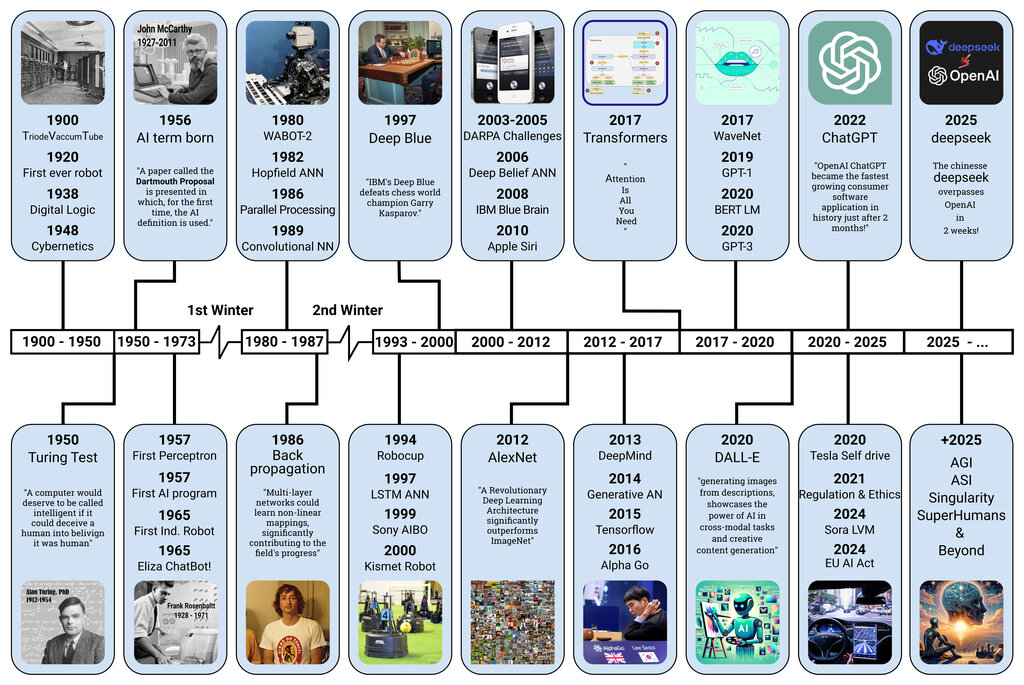
The dream of intelligent machines has been around for centuries, but the actual field of AI got its name and mission in the summer of 1956. A group of scientists gathered at a workshop at Dartmouth College to explore the idea that every aspect of learning or any other feature of intelligence could, in principle, be so precisely described that a machine could be made to simulate it.
That workshop set the stage for decades of research, marked by periods of great excitement and frustrating setbacks, known as "AI winters." Early successes were often limited to very narrow problems. But with the recent explosion in computing power and the availability of massive amounts of data, AI has moved from the laboratory into our daily lives.
The Branches of AI
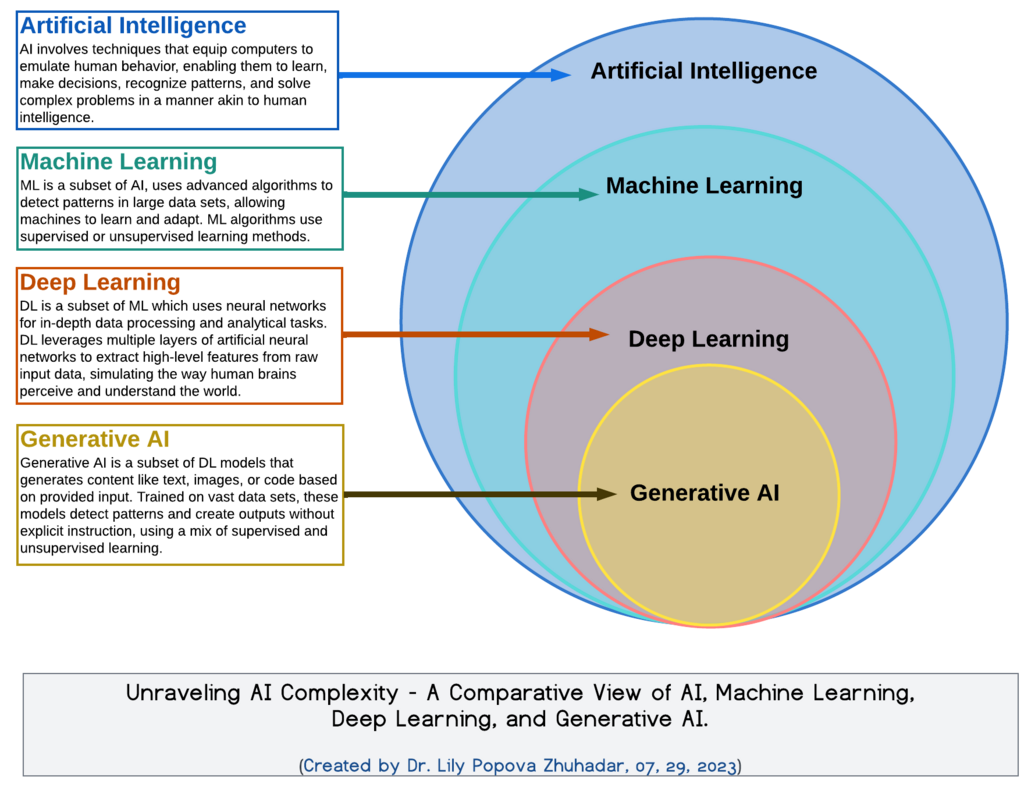
Artificial Intelligence is not a single technology. It's a broad field with many specialized branches, each focused on a different aspect of intelligence. Understanding these subfields helps clarify what AI can actually do.
Machine Learning (ML) is perhaps the most important subfield. It's the engine that powers most modern AI. Instead of being explicitly programmed, an ML system learns directly from data. It finds patterns and makes predictions. For example, your email's spam filter is a machine learning model. It wasn't programmed with a list of every possible spam email; it learned to identify junk mail by analyzing millions of examples.
Natural Language Processing (NLP) focuses on the interaction between computers and human language. NLP allows machines to read, understand, interpret, and generate human language. When you ask a voice assistant for the weather or use a translation app, you're using NLP.
Computer Vision is another key area. This branch of AI trains computers to interpret and understand the visual world. Using digital images from cameras and videos, machines can identify and locate objects, then react to what they "see." Self-driving cars use computer vision to navigate roads and avoid obstacles, and it’s the technology behind facial recognition on your phone.
Why AI Matters
AI has become a cornerstone of modern technology because it can tackle problems of immense scale and complexity that are beyond human capability. It automates tedious tasks, finds insights in vast datasets, and powers services we use every day.
In healthcare, AI helps doctors diagnose diseases earlier and more accurately by analyzing medical images. In finance, it detects fraudulent transactions in real time. For online shopping, AI provides personalized recommendations that make it easier to find what you're looking for. It's optimizing supply chains, creating more efficient energy grids, and accelerating scientific discovery.
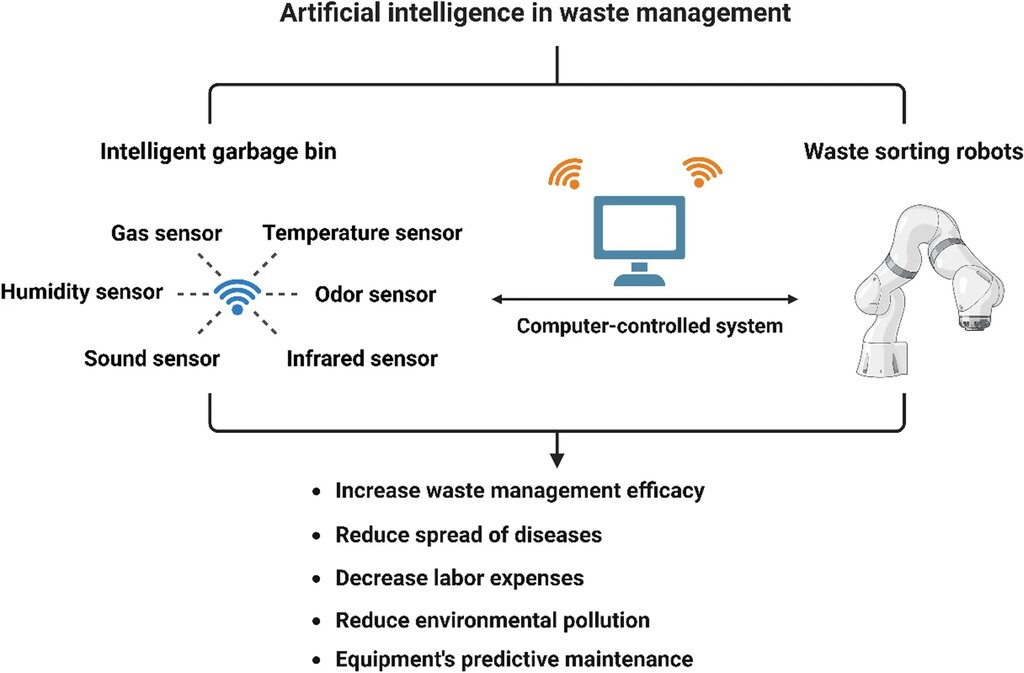
The significance of AI lies in its ability to augment human capabilities. It's a tool that can amplify our own intelligence, helping us make better decisions, be more creative, and solve some of the world's most challenging problems.
Let's check your understanding of these core concepts.
What is the primary goal of Artificial Intelligence?
The field of Artificial Intelligence got its name and mission at a workshop held at which institution in 1956?
This introduction covers the basic ideas behind AI. As you move forward, you'll explore each of these areas in much greater detail.