Introduction to AI Automation
Introduction to AI Automation
What is AI Automation?
At its core, AI automation uses artificial intelligence to create systems that can perform tasks, make decisions, and learn from data with minimal human intervention. It’s not just about making processes faster; it’s about making them smarter.
Think of it this way: traditional software follows strict, pre-programmed rules. If a situation arises that isn't in the rulebook, the software stops or makes an error. AI automation is different. It can analyze situations, recognize patterns, and adapt its actions based on new information. This ability to learn and adjust is what makes it so powerful, bringing greater efficiency and precision to tasks across many fields.
AI automation empowers systems to handle complex and unpredictable tasks that were once thought to require human judgment.
Beyond Basic Rules
To understand AI automation, it helps to compare it with traditional automation. Traditional automation is like a factory assembly line robot that performs the same single action over and over. It’s incredibly efficient at its one, highly specific task, but it can’t deviate. If you move a part by half an inch, the robot will miss it every time.
AI automation is more like a skilled assistant. You can give it a goal, and it will use its knowledge to figure out the best way to achieve it. It can handle variation, learn from mistakes, and improve its performance over time. It operates on patterns and predictions, not rigid instructions.
| Feature | Traditional Automation | AI Automation |
|---|---|---|
| Basis | Rule-based (if-then logic) | Data-driven (patterns & predictions) |
| Flexibility | Rigid, struggles with variation | Adaptive, handles new scenarios |
| Decision Making | Pre-programmed steps | Learns and makes independent decisions |
| Example | A script that copies files from Folder A to Folder B | A system that reads customer emails and routes them to the correct department based on content and sentiment |
The Core Technologies
AI automation is powered by several key technologies that mimic human intelligence. Understanding these building blocks is the first step to seeing how AI accomplishes complex tasks.
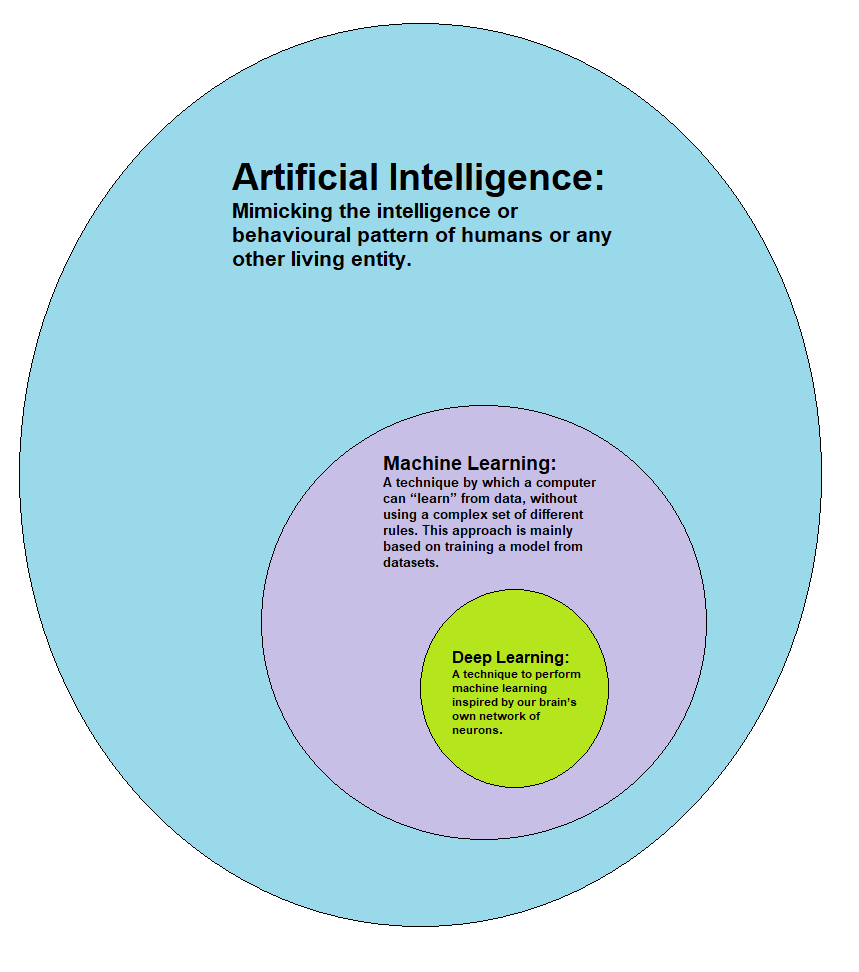
Machine Learning (ML) is the engine of most AI automation. It’s a process where systems learn directly from data to find patterns and make predictions without being explicitly programmed for every scenario. A spam filter that learns to identify junk mail by analyzing thousands of examples is a classic case of ML at work.
Natural Language Processing (NLP) gives machines the ability to understand, interpret, and generate human language. When you talk to a virtual assistant or use a translation app, you're interacting with NLP. In automation, this allows systems to process and act on information from documents, emails, and conversations.
Computer Vision allows AI to interpret and understand information from images and videos. It’s how a self-checkout kiosk can identify the items you’re buying or how a security system can spot an intruder. This technology enables the automation of tasks that require visual inspection or analysis.
Time to check what you've learned.
What is the primary characteristic that distinguishes AI automation from traditional software?
A factory system is designed to inspect apples on a conveyor belt and sort them by quality. It can identify bruises and discoloration it has never seen before by analyzing thousands of images of good and bad apples. Which technology powers this capability?
These technologies are the foundation of AI automation, enabling machines to take on a vast range of tasks with increasing intelligence and autonomy.