Introduction to AI Agents
Introduction to AI Agents
What is an AI Agent?
At its core, an artificial intelligence (AI) agent is something that can observe its surroundings and then take action. Think of it like a simple robot vacuum. It uses sensors to detect walls and furniture, processes that information, and then acts by changing its direction. This cycle of perceiving, thinking, and acting is the fundamental idea behind all AI agents.
An AI agent is a system that can perceive its environment through sensors, process this information, and act upon the environment through actuators to achieve specific goals.
These agents can be physical, like a drone, or purely software-based, like a spam filter in your email. The key is that they are designed to operate autonomously to achieve a specific goal, whether it's cleaning a floor, filtering junk mail, or recommending your next favorite movie.
The Agent's Toolkit
Every AI agent, regardless of its complexity, has a basic structure for interacting with its world. This structure relies on two key components: sensors and actuators.
Sensor
noun
A device or software component that detects inputs from the environment, such as light, sound, or text.
Actuator
noun
A component that an agent uses to act upon its environment, like a motor, a screen display, or an automated message.
Sensors are the agent's eyes and ears, gathering data about the state of its environment. Actuators are its hands and feet, allowing it to make changes. Between sensing and acting is the agent's brain: a processing unit that makes decisions based on the sensory input and its programmed goals.
This perception-action loop is continuous. The agent senses, thinks, acts, and then senses the new state of the environment that resulted from its action. This allows it to adapt and respond dynamically.
Agents in the Wild
AI agents are all around us, often working behind the scenes. Understanding their components makes it easier to see them in action.
| Agent | Environment | Sensors | Actuators |
|---|---|---|---|
| Self-Driving Car | Roadways | Cameras, GPS, radar | Steering wheel, accelerator, brakes |
| Spam Filter | Email server | Email content, sender info | "Spam" label, move to junk folder |
| Smart Thermostat | A home | Temperature sensor, motion detector | Heating/cooling system controls |
| E-commerce Bot | Website data | User clicks, search history | Product recommendations, ads |
Each of these agents is designed for a specific task within a defined environment. Their success depends on how well their sensors can perceive relevant information and how effectively their actuators can influence that environment to achieve the desired outcome.
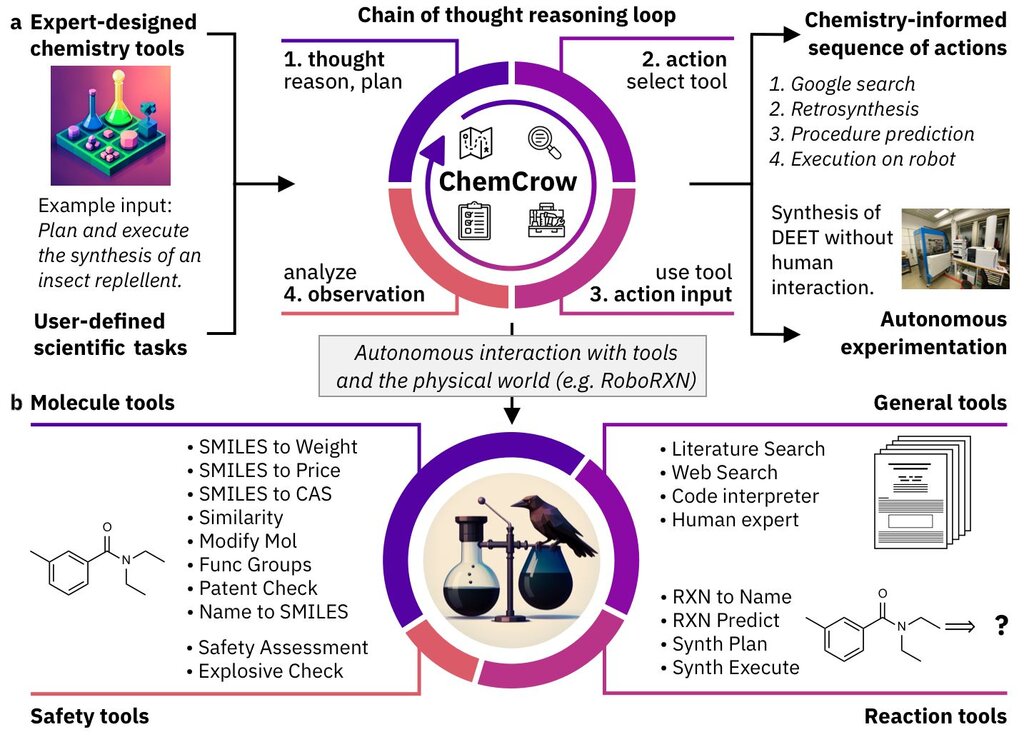
The concept of an agent is a powerful building block in AI. By breaking down complex problems into a cycle of perceiving, thinking, and acting, developers can create sophisticated systems that automate tasks, solve problems, and interact with the world in increasingly intelligent ways.
What is the core function of an artificial intelligence (AI) agent?
In the context of an AI agent, what are its 'hands and feet' that allow it to make changes to its environment?