Introduction to AI Agents
Introduction to AI Agents
Meet the AI Agent
You've likely heard a lot about artificial intelligence, but let's talk about one of its most exciting frontiers: AI agents. Think of an agent as more than just a program that follows instructions. It's a system designed to perceive its environment, make decisions, and take actions on its own to achieve a specific goal.
An AI agent is like a digital employee you can delegate tasks to. You give it a goal, and it figures out the steps to get there.
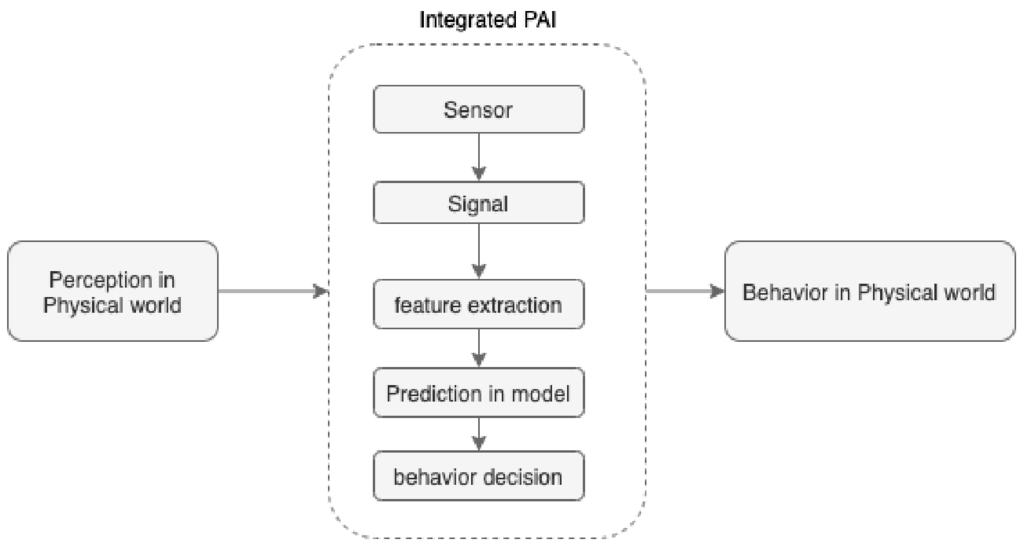
This basic loop—perceive, think, act—is what separates an agent from a simple script or a traditional piece of software. It’s not just executing a pre-written set of commands. It’s observing, deciding, and doing, all in pursuit of an objective. This capability allows agents to handle complex, multi-step tasks that change over time, from booking a complicated trip to managing a company's inventory.
The Four Key Traits
What really makes an AI agent special are four defining characteristics. These traits work together to create a system that is both powerful and flexible.
| Characteristic | Description |
|---|---|
| Autonomy | An agent can operate on its own without direct human control. It makes its own choices to achieve its goals. |
| Reactivity | It senses its environment and responds to changes in real time. If something unexpected happens, it adapts. |
| Proactivity | An agent doesn't just wait for something to happen. It takes initiative to meet its objectives. |
| Social Ability | It can communicate with other agents, systems, or even humans to achieve its goals, often using natural language. |
When you combine these four traits, you get something much more dynamic than a simple chatbot. You get a system that can take on a goal like, "Find me the best flight to Hawaii next month for under $500," and then go to work. It will search websites, compare options, react to price changes, and might even communicate with a hotel booking agent to coordinate your stay.
An Old Idea, A New Reality
The concept of agents has been around for decades in computer science, dating back to the early days of AI research in the 1970s. Early theorists dreamed of creating autonomous systems that could reason and act in the world. However, the technology wasn't quite there yet. For years, agents were mostly confined to academic research and simple applications.
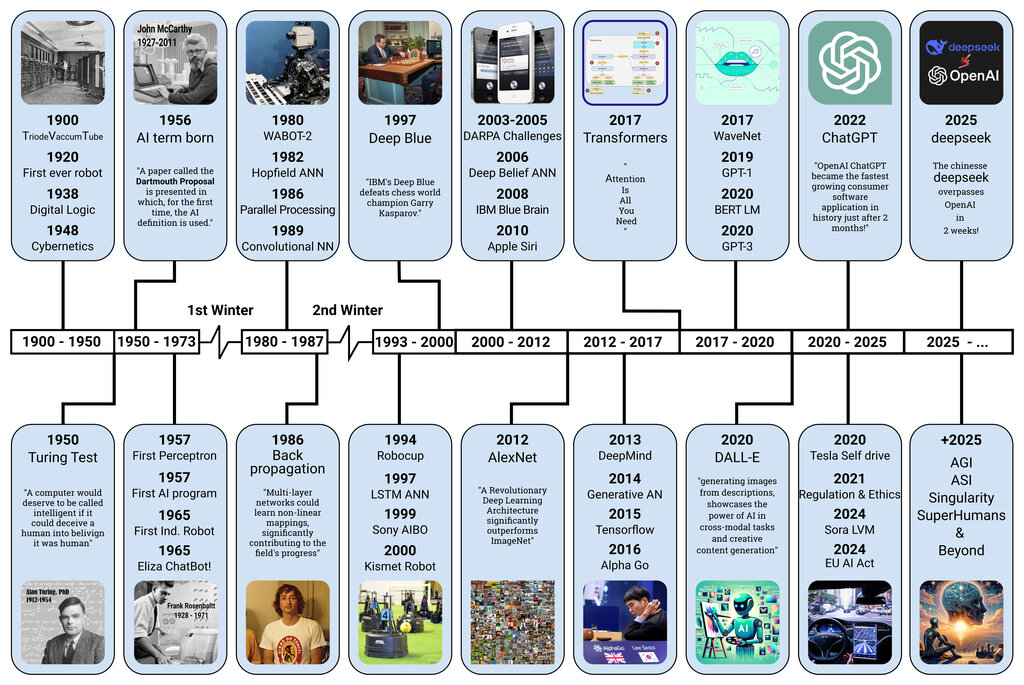
The recent explosion in the power of large language models (LLMs) has changed everything. These models provide the "brain" that agents were missing, giving them sophisticated reasoning and communication abilities. Now, the theoretical idea of an autonomous agent is becoming a practical reality that can tackle real-world problems.
Why Agents Are a Big Deal
AI agents represent a fundamental shift in how we interact with computers. We're moving from a world where we tell machines what to do to one where we tell them what we want to achieve. Instead of being a passive tool, the computer becomes an active partner, capable of understanding our goals and taking the initiative to accomplish them.
This shift opens up possibilities for automating complex workflows, creating personalized assistants that truly understand our needs, and solving problems that were once too difficult or time-consuming for humans alone. As this technology matures, AI agents are poised to become a central part of how we work, learn, and live.
What is the fundamental operational loop of an AI agent?
An AI agent is fundamentally the same as a traditional, pre-written script because both simply follow a fixed set of instructions.