Introduction to AI Agents
Introduction to AI Agents
What Is an AI Agent?
Think about a simple thermostat. It senses the room's temperature and turns the heat or air conditioning on or off to keep it at a set point. In a way, that thermostat is a basic agent. It perceives its environment and acts to achieve a goal.
An AI agent is a more sophisticated version of this idea. It's any system that can observe its surroundings through sensors and act upon those surroundings using actuators. A sensor can be anything from a camera or microphone to a line of code that reads a stock price. An actuator can be a robotic arm, a virtual message, or a change in a car's speed.
The key difference is that an AI agent uses artificial intelligence to make decisions. It's not just following a rigid set of pre-programmed rules. It processes the information it perceives and chooses the best action to reach its objective.
An AI agent is a program or system that can perceive its environment, process information, and take actions to achieve a specific goal.
Core Characteristics
What really makes an AI agent different from a standard computer program? It comes down to a few core traits.
First, AI agents are autonomous. They can operate independently without constant human guidance. A spam filter doesn't ask you if every suspicious email is junk; it makes a decision and acts on its own. This ability to function without direct control is fundamental.
Second, they are adaptable. Agents can learn from experience and adjust their behavior over time. A movie recommendation engine gets better at suggesting films you'll like by paying attention to what you watch and rate. It's not stuck with a static list of recommendations; it evolves with your tastes.
Finally, agents are goal-oriented. Every action an agent takes is driven by a specific purpose. For a robotic vacuum, the goal is a clean floor. Every movement, from navigating around a chair to returning to its charging dock, is a step toward achieving that objective.
Autonomy, adaptability, and goal-oriented behavior are what allow AI agents to tackle complex, dynamic problems effectively.
Why Agents Matter
The combination of these characteristics makes AI agents incredibly powerful. They are the driving force behind many of the technologies we use every day, from the virtual assistants on our phones to the complex systems that manage stock portfolios or optimize shipping routes.
In medicine, AI agents can analyze medical images to help doctors detect diseases earlier. In transportation, they are the brains behind self-driving cars, perceiving traffic, pedestrians, and road signs to navigate safely. They even play a role in managing city infrastructure, like optimizing traffic lights to improve flow and reduce congestion.
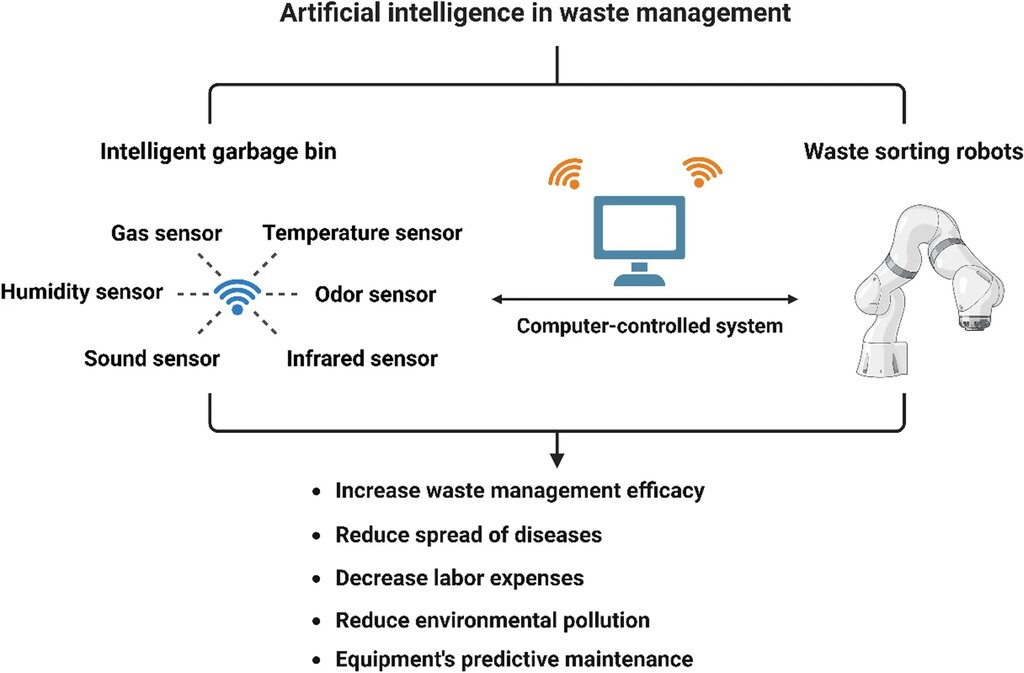
By building systems that can perceive, reason, and act on their own, we can automate complex tasks, solve problems more efficiently, and create more personalized and responsive technology. These agents are not just tools; they are active participants in their digital or physical environments, working to achieve the goals we set for them.
What is the primary function of an AI agent?
A movie recommendation engine that gets better at suggesting films by learning from what you watch and rate is demonstrating which key trait of an AI agent?