Introduction to AI Agents
Introduction to AI Agents
More Than Just Code
In artificial intelligence, an 'agent' isn't a secret spy. It's a system that can perceive its surroundings and take action to achieve a specific goal. Think of it as an autonomous entity that does things, rather than just processing information. A simple calculator app processes data, but it doesn't act on its own. An AI agent, on the other hand, is designed to be a doer.
At their heart, AI agents are autonomous systems powered by artificial intelligence that perceive their environment, process data, and take actions to achieve specific goals, without constant human oversight.
This ability to operate independently is what makes them so powerful. They are the foundation of many intelligent systems, from the smart thermostat in your home to the complex robots exploring other planets. An agent bridges the gap between digital intelligence and the real world.
The Core Loop
Every AI agent, regardless of its complexity, operates on a fundamental cycle. It senses what's happening, decides what to do, and then acts. This loop is built on three key attributes: perception, action, and autonomy.
Perception: This is how the agent gathers information from its environment. For a robot vacuum, perception might come from infrared sensors detecting walls or cameras identifying dirt. For a spam filter, it's the content and metadata of an incoming email.
The tools an agent uses to perceive are its 'sensors'. These aren't always physical; they can be software-based, like an API that pulls in stock market data.
Action: Once an agent perceives its environment, it acts. Actions are the things an agent can do to affect its surroundings. The robot vacuum moves its wheels and turns on its suction. The spam filter moves a message to the junk folder. These actions are performed using 'actuators', which can be physical parts like motors or digital ones like sending an email.
An agent's actions are purposeful. They are always directed towards achieving the agent's pre-defined goal, whether that's a clean floor or an organised inbox.
Autonomy: This is the magic ingredient. An agent is autonomous if it can operate without direct human intervention. It uses its perceptions to make its own decisions about which actions to take. A simple timer for your lights isn't autonomous; it just follows a schedule. A smart lighting system that adjusts based on the time of day, whether you're home, and the amount of natural light is acting as an agent.
Why Agents Matter
AI agents are important because they are the mechanism through which artificial intelligence interacts with and influences the world. They shift AI from a passive tool for analysis into an active participant in processes. This allows us to automate complex tasks that require adaptation and decision-making.
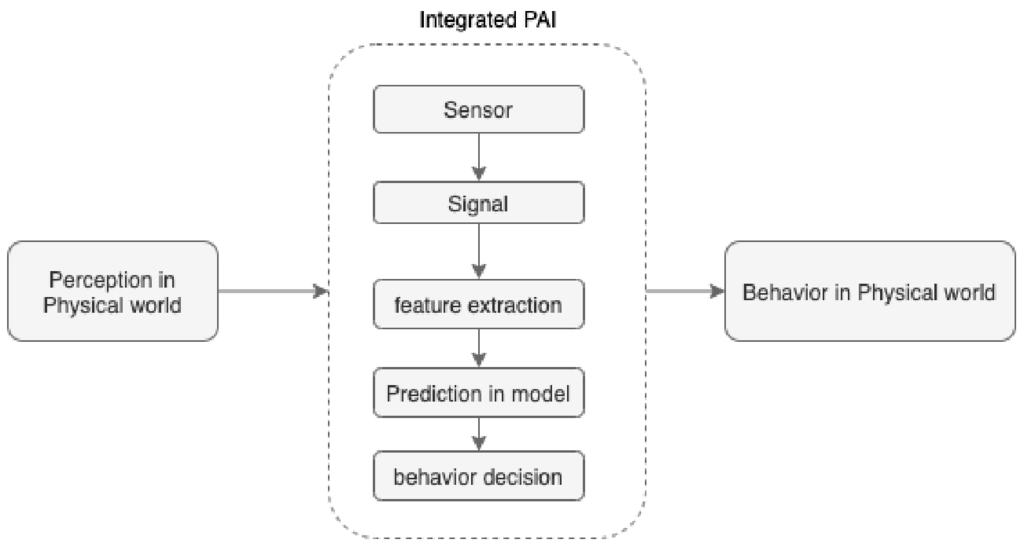
From managing vast, automated warehouses to personalising your news feed, agents are at work everywhere. They can handle tasks that are too fast, too complex, or too dangerous for humans. For example, high-frequency trading algorithms are agents that perceive market changes and execute trades in fractions of a second. A Mars rover is an agent that perceives the alien terrain and decides how to navigate it safely, millions of miles from its operators.
| Agent Type | Environment | Perception (Sensors) | Action (Actuators) |
|---|---|---|---|
| Robot Vacuum | Room, furniture, dirt | Camera, infrared sensors | Wheels, brushes, vacuum |
| Spam Filter | Email inbox | Email content, sender info | Mark as spam, delete |
| Self-driving car | Road, traffic, signs | Cameras, LiDAR, GPS | Steering, brakes, accelerator |
| Smart Thermostat | House, temperature | Thermometer, motion sensor | Heating, cooling system |
Understanding these basic building blocks is the first step to seeing the full potential of artificial intelligence.
What is the defining characteristic of an AI agent compared to a simple data processing program?
An AI agent's sensors, used for perception, must be physical hardware like cameras or microphones.