Introduction to AI Agents
Introduction to AI Agents
What Are AI Agents?
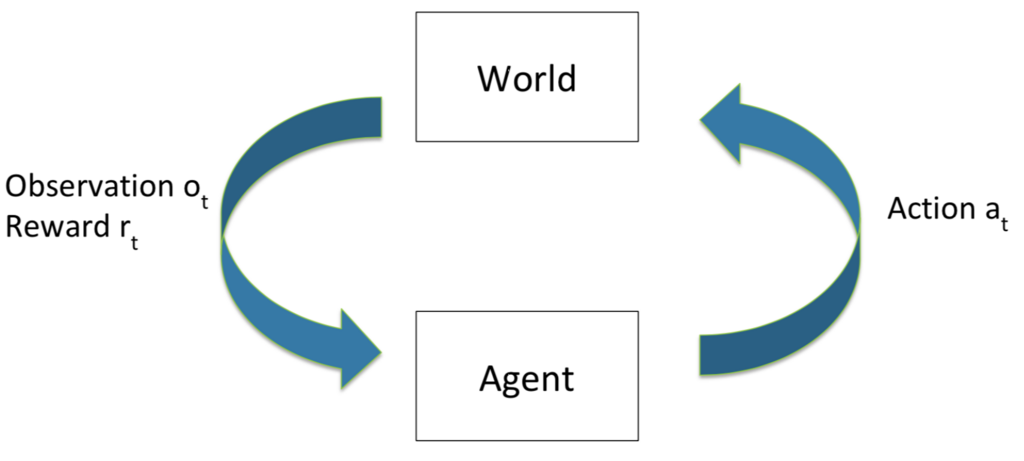
Think about a smart thermostat in your home. It senses the room's temperature, compares it to your desired setting, and then acts by turning the heat or air conditioning on or off. That thermostat is a simple agent. In the world of artificial intelligence, an agent is anything that can observe its environment and then act upon that environment to achieve a goal.
An AI agent is a system that can perceive its environment through sensors, process this information, and act upon the environment through actuators to achieve specific goals.
Agents are the “doers” of AI. They connect the digital intelligence of a program to the real world (or a virtual one). A sensor could be a camera on a self-driving car, a microphone for a voice assistant, or even a piece of code that reads stock prices online. An actuator is what the agent uses to take action: the car's steering wheel, the voice assistant's speaker, or the software that executes a stock trade. This continuous loop of perceiving and acting is the core of what an agent does.
The Four Key Traits
Not all agents are created equal. The most effective ones share four important characteristics that make them seem intelligent and useful.
| Trait | Description |
|---|---|
| Autonomy | The agent can operate on its own without direct, moment-to-moment human control. It has its own internal rules and goals that guide its decisions. |
| Reactivity | It perceives its environment and responds to changes in a timely fashion. A robot that bumps into a wall and immediately changes direction is being reactive. |
| Proactivity | The agent doesn't just wait for things to happen. It takes initiative to achieve its goals. A personal assistant AI might proactively remind you to leave for a meeting because it's monitoring traffic conditions. |
| Social Ability | It can communicate and cooperate with other agents and even humans. Think of multiple delivery drones coordinating their routes to avoid collisions and cover an area efficiently. |
An agent with all four of these traits is a powerful tool. It can handle complex, dynamic situations on its own, making it a cornerstone of modern AI.
Why Agents Matter
Understanding agents is crucial because they are the building blocks for almost every application of AI. They provide a framework for thinking about how an AI system should behave and interact with the world. Without the concept of an agent, AI would just be a set of algorithms disconnected from any real-world purpose.
From video game characters that react to your every move to sophisticated systems that manage city power grids, agents are everywhere. They are used in:
- Robotics: Self-driving cars and factory robots perceive the physical world and manipulate objects.
- E-commerce: Recommendation engines observe your browsing history (the environment) and suggest products (the action).
- Finance: Automated trading systems monitor market data and execute trades to maximize profit.
- Personal Assistants: Siri and Alexa listen for commands and interact with other apps to find information or play music.
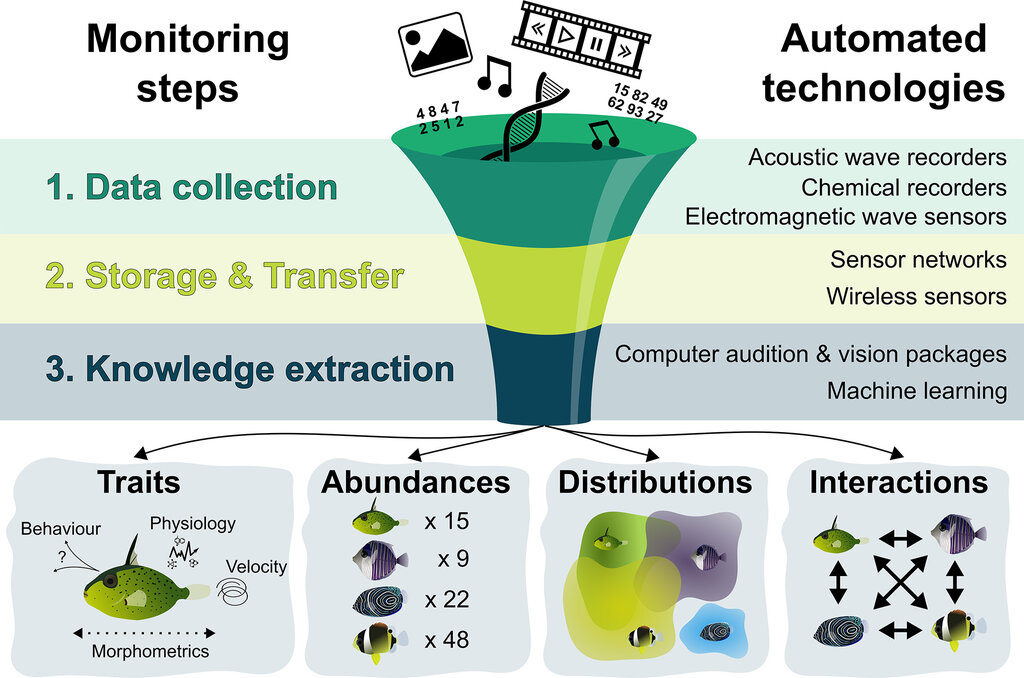
By breaking down complex problems into goals for individual agents, we can create sophisticated AI systems capable of tasks that once required human intelligence.
Ready to check your understanding?
In the context of artificial intelligence, what is the primary function of an agent?
For a self-driving car navigating traffic, which of the following is an example of an actuator?
Now that you understand the fundamentals of what an AI agent is and what makes it tick, you're ready to explore the different types of agents and how they're built.