Introduction to AI Agents
Introduction to AI Agents
What Is an AI Agent?
At its core, an AI agent is a system that can act on its own. Think of a simple thermostat. It senses the room's temperature, decides if it's too hot or cold based on your setting, and then acts by turning on the heat or air conditioning. It has a goal—maintain a specific temperature—and it works independently to achieve it.
In the world of artificial intelligence, an agent is much the same, though often more complex. It's an autonomous entity that perceives its environment, makes decisions, and takes actions to achieve a specific goal.
An AI agent can be broadly defined as a system that perceives its environment, processes data, and takes actions to achieve specific goals.
The key word is autonomous. Unlike a simple calculator that only works when you press its buttons, an AI agent can operate without constant human intervention. It has the ability to observe, orient, decide, and act on its own, making it a fundamental building block for creating intelligent systems.
Why Agents Matter
The concept of an agent is crucial because it marks the shift from passive tools to active problem-solvers. Instead of programming a computer with a rigid set of instructions for a single task, we can design agents with goals and the freedom to figure out the best way to reach them. This is the foundation of modern AI.
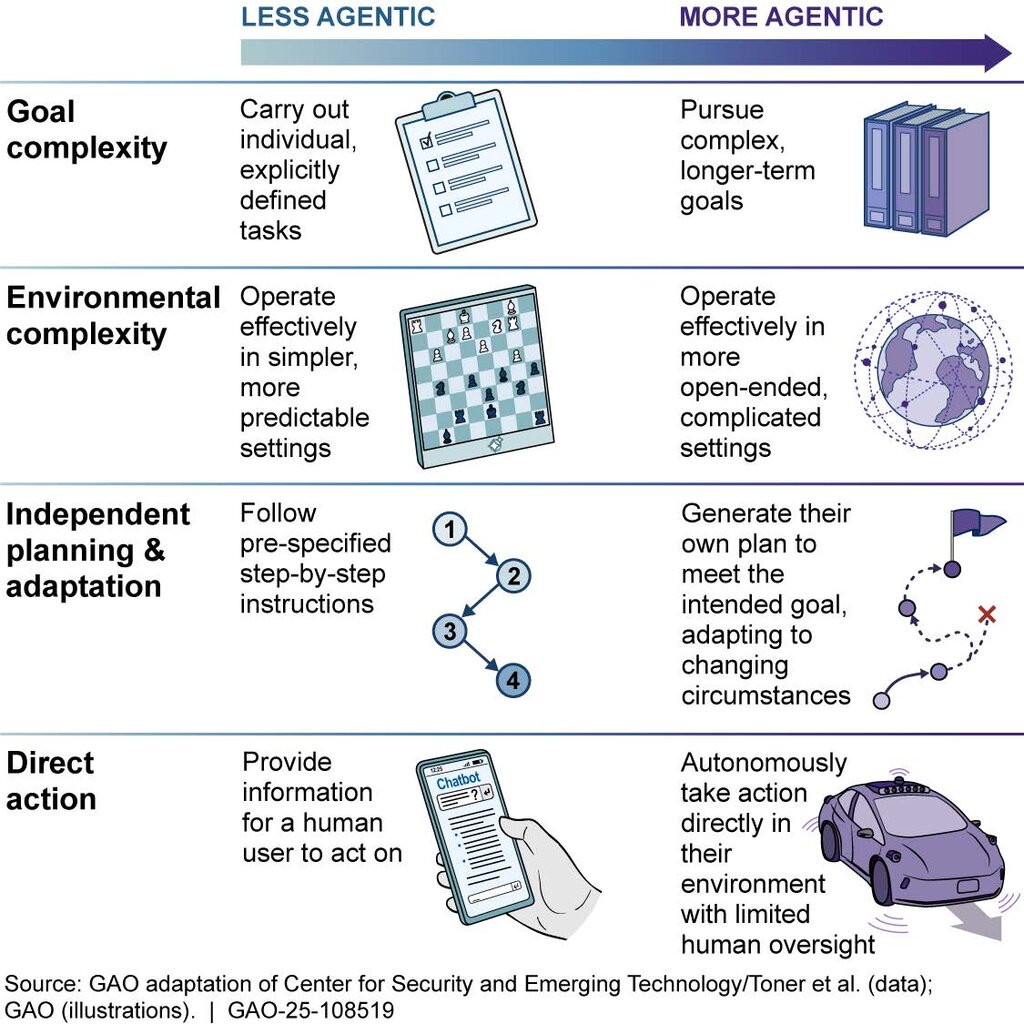
By thinking in terms of agents, developers can create systems that are more flexible, adaptable, and capable of handling complex, dynamic situations. This approach allows AI to tackle challenges in a way that more closely mimics how humans and other intelligent beings operate in the world.
A Glimpse of Applications
The applications for AI agents are incredibly broad. They are the driving force behind many technologies you might already use.
- Personal Assistants: A smart assistant on your phone acts as an agent. It listens to your request (perceives), understands your goal, and takes action, like setting a timer or finding directions.
- E-commerce: Recommendation systems on shopping websites are agents. They observe your browsing history, decide what you might like, and present you with personalized suggestions.
- Gaming: Non-player characters (NPCs) in video games are agents. They perceive the player's actions and the game world, and they act with their own objectives, whether that's to help or hinder the player.
From self-driving cars navigating traffic to robotic systems managing warehouse inventory, the concept of an agent is everywhere in AI. Understanding what an agent is opens the door to understanding how these sophisticated systems work.