Introduction to Agentic Coding
Introduction to Agentic Coding
What Is Agentic Coding?
Software development has always been about giving instructions to a computer. For decades, this meant a human programmer meticulously writing out every single command. Agentic coding represents a fundamental shift in this relationship. Instead of giving detailed instructions, you give the computer a goal.
Agentic coding is a paradigm where autonomous agents plan, execute, validate, and iteratively improve code with minimal human intervention, redefining software development.
Think of an autonomous agent as a proactive, digital teammate. You don't tell it how to build a login page; you just tell it to build a login page. The agent then takes over. It breaks down the goal into smaller steps, writes the necessary code, tests it to find bugs, and refines its work until the feature is complete. It operates in a continuous loop of planning, acting, and learning from the results.
A New Kind of Teammate
These AI agents aren't just fancy autocomplete tools. They are active participants in the development process. They can take a high-level goal, like "Add a dark mode feature to the user settings page," and manage the entire workflow on their own.
This changes the role of the human developer. Instead of focusing on the tedious, line-by-line implementation, developers can concentrate on higher-level tasks: architecture design, strategic problem-solving, and creative thinking. The developer becomes the architect, and the AI agent becomes the skilled builder who handles the construction.
The Path to Autonomy
Agentic coding didn't appear overnight. It's the latest step in a long evolution of tools designed to make software development more efficient.
First, we had basic text editors and compilers. Programmers wrote code, and a separate program turned it into something the machine could run.
Then came Integrated Development Environments (IDEs). These tools bundled text editing, compiling, and debugging into one application, adding helpful features like syntax highlighting to catch simple typos.
More recently, AI-powered assistants like GitHub Copilot brought intelligent code suggestions, acting as a super-powered autocomplete that could write entire functions. This was a huge leap, but the developer was still firmly in control, accepting or rejecting suggestions.
Agentic coding is the next logical step. It moves the AI from a passive assistant to an autonomous partner, capable of independent action to achieve a stated goal.
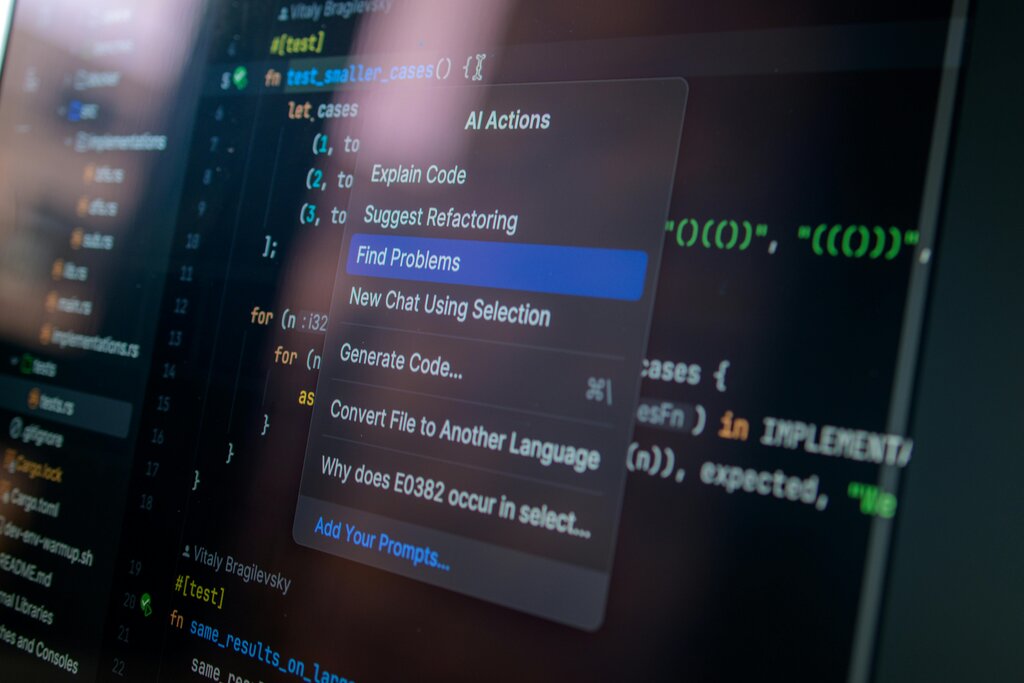
By understanding this progression, we can see agentic coding not as a replacement for developers, but as the most powerful tool in their arsenal yet.
What's Ahead
This course is designed to give you a solid foundation in this emerging field. We will move from theory to practice, exploring the core concepts that make agentic AI possible.
Our journey will cover:
- Core Concepts: We'll dive deeper into what makes an AI agent "agentic," exploring key ideas like planning, tool use, and self-correction.
- Agentic Frameworks: You'll learn about popular frameworks like LangChain and AutoGen that provide the building blocks for creating your own agents.
- Building an Agent: We will work through hands-on examples, building agents that can perform real-world software development tasks.
- The Future of Development: We'll look at the broader implications of agentic coding for the software industry and the role of the human engineer.
Let's get started.