Introduction to Agentic AI
Introduction to AI
What Is Artificial Intelligence?
Artificial intelligence is the science of making machines that can think and act like humans. The goal is to create systems that can perform tasks that typically require human intelligence, such as learning from experience, solving problems, understanding language, and recognizing objects in the world.
Artificial Intelligence
noun
A field of computer science dedicated to creating systems capable of performing tasks that normally require human intelligence. This includes abilities like learning, reasoning, problem-solving, perception, and language understanding.
Think about how you learn. You observe, you try things, you make mistakes, and you adjust. AI tries to replicate this process in machines. It's a broad field with many different approaches, but the central idea is always about creating some form of non-human intelligence.
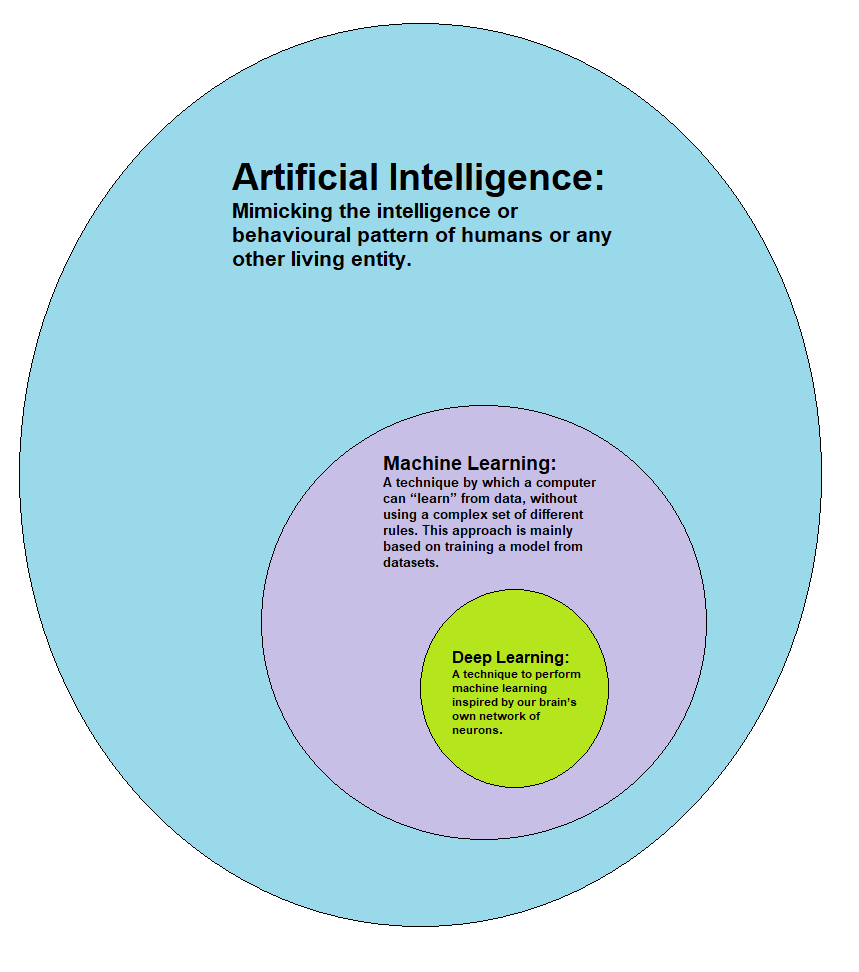
At its core, AI can be broken down into different levels. Some AI is designed for one specific task, like playing chess or identifying faces in photos. This is called Narrow AI. The more futuristic concept you see in movies, where a machine has general human-like cognitive abilities, is known as Artificial General Intelligence (AGI), which we have not yet achieved.
A Brief History of AI
The dream of intelligent machines is ancient, but the scientific pursuit of AI began in the mid-20th century. The field was officially born at a 1956 workshop at Dartmouth College, where the term "artificial intelligence" was coined. Early researchers were optimistic, predicting that machines with human-level intelligence were just a few decades away.
Progress wasn't always a straight line. The journey of AI has been marked by periods of intense excitement and funding, followed by "AI winters" where progress stalled and interest waned. However, breakthroughs in computing power and the availability of massive datasets eventually fueled a resurgence that continues today.
| Year | Milestone | Significance |
|---|---|---|
| 1950 | Alan Turing proposes the Turing Test | A test of a machine's ability to exhibit intelligent behavior equivalent to a human. |
| 1956 | Dartmouth Workshop | Coined the term "Artificial Intelligence" and established it as a formal field of study. |
| 1966 | ELIZA created | An early natural language processing program that simulated conversation with a therapist. |
| 1997 | Deep Blue beats Garry Kasparov | IBM's chess computer defeated the world chess champion, showcasing AI's strategic power. |
| 2011 | Watson wins Jeopardy! | IBM's question-answering system defeated two of the show's greatest champions. |
| 2012 | AlexNet wins image recognition contest | A deep learning model that drastically improved image recognition accuracy, sparking the deep learning revolution. |
| 2016 | AlphaGo defeats Lee Sedol | DeepMind's AI beat the world's top Go player, a feat once thought to be decades away. |
| 2022 | Release of ChatGPT | OpenAI's conversational AI demonstrated powerful language understanding and generation abilities. |
The Branches of AI
AI isn't one single thing; it's a collection of specialized subfields. Each one focuses on a different aspect of intelligence. Let's look at three of the most important branches.
Machine Learning (ML) is the engine behind most modern AI. Instead of being explicitly programmed with rules, an ML system learns patterns directly from data. It's like teaching a child to recognize a cat by showing them hundreds of cat pictures, rather than by listing rules about pointy ears and whiskers.
Natural Language Processing (NLP) gives machines the ability to read, understand, and generate human language. It's the technology that powers chatbots, language translation apps, and spam filters in your email. NLP helps computers make sense of the unstructured text and speech we use every day.
Computer Vision is the field of AI that trains computers to interpret and understand the visual world. Using digital images from cameras and videos, machines can identify and locate objects, then react to what they "see." This is the technology behind self-driving cars navigating roads, facial recognition systems, and medical imaging analysis.
AI in the Real World
Artificial intelligence has moved from research labs into our daily lives. Its applications are transforming industries and changing how we work and interact with technology.
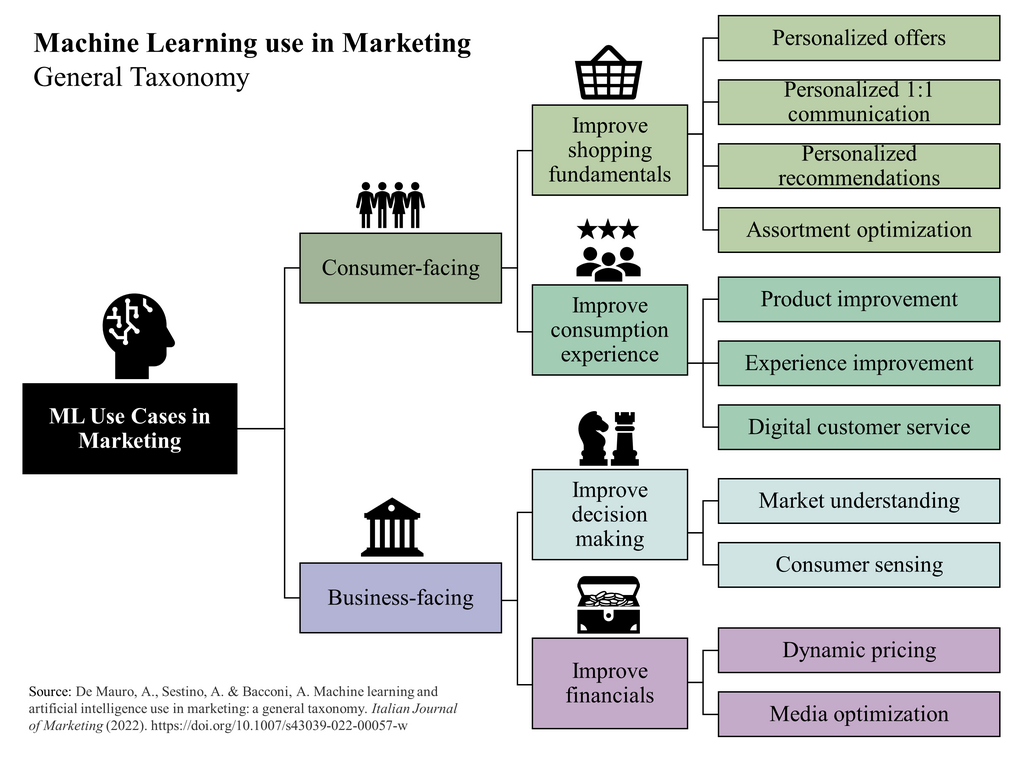
In healthcare, AI helps doctors diagnose diseases like cancer more accurately by analyzing medical scans. It can also predict which patients are at higher risk for certain conditions, allowing for preventative care.
Finance uses AI to detect fraudulent transactions in real time and to power algorithmic trading systems. Banks use AI-driven chatbots to handle customer service inquiries.
In transportation, AI is the brain behind self-driving cars, optimizing routes for delivery trucks, and managing traffic flow in smart cities.
Entertainment platforms like Netflix and Spotify use AI to analyze your viewing and listening habits to recommend movies, shows, and music you might like.
From farming to manufacturing, AI is finding new ways to make processes more efficient, predictive, and intelligent. It's a foundational technology that will continue to shape our future.
Let's test your understanding of these core concepts.
What is the primary goal of artificial intelligence?
An AI system that is designed for one specific task, like playing chess or recommending music, is known as:
This foundation gives you a starting point for understanding the more advanced systems that are built upon these principles.