Introduction to Agentic AI
Introduction to Agentic AI
Beyond the Prompt
For years, we've interacted with AI by giving it specific commands. We ask a question, it gives an answer. We write a prompt, it generates an image. This is a powerful, but reactive, relationship. The AI waits for our instructions before it does anything.
Agentic AI changes this dynamic. Instead of a simple tool that responds to commands, an agentic AI is more like an autonomous assistant. You give it a high-level goal, and it figures out the steps, uses the tools it needs, and works independently to achieve it. It's the difference between telling someone exactly how to build a chair and just asking them to build one.
Agentic AI represents a fundamental paradigm shift in artificial intelligence, moving from passive, prompt-driven systems to autonomous, goal-oriented agents that can plan, learn, and execute complex tasks with minimal human intervention.
At the heart of this concept is the "agent." In AI, an agent is anything that can perceive its environment and act upon that environment to achieve its goals. A thermostat is a very simple agent. It perceives the room's temperature and acts by turning the heat on or off to reach its goal temperature. Agentic AI systems are vastly more complex, but the core principle is the same.
What Makes an AI Agentic?
Two key characteristics define agentic AI: autonomy and goal-directed behavior.
Autonomy means the AI can operate without constant human supervision. It doesn't need to be told every single step to take. Think of a self-driving car navigating a city. It makes thousands of small decisions—when to brake, turn, or accelerate—on its own, all while working towards the final destination you provided.
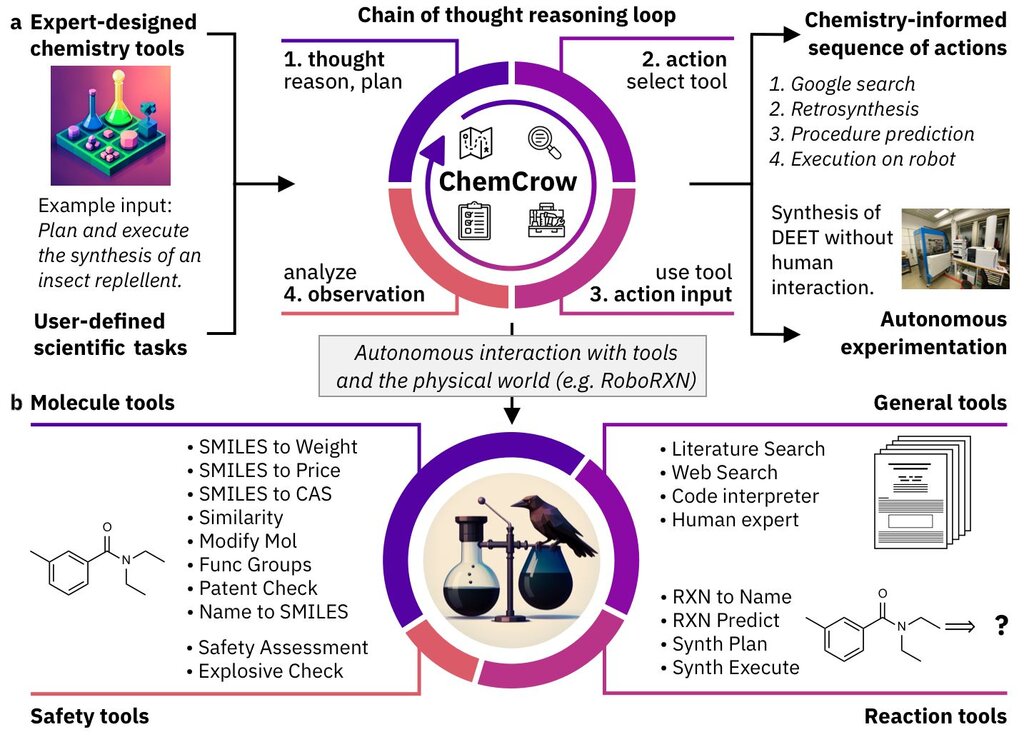
Goal-directed behavior means the AI understands the desired outcome and can create and execute a plan to get there. If you ask a traditional AI to write a blog post, it will write the text. If you ask an agentic AI to create a successful blog, it might research popular topics, write the post, source a relevant image, publish it to a website, and then promote it on social media. It understands the larger goal beyond the immediate task.
| Feature | Traditional AI | Agentic AI |
|---|---|---|
| Initiative | Reactive (waits for prompts) | Proactive (takes steps to achieve a goal) |
| Task Scope | Executes a single, well-defined task | Manages complex, multi-step workflows |
| Decision Making | Follows explicit instructions | Makes independent decisions to navigate obstacles |
| Human Role | Micromanager (provides every command) | Strategist (sets the overall goal) |
This shift means we interact with AI on a strategic level rather than a tactical one. We set the destination, and the agent charts the course.
A Brief Evolution
The idea of AI agents isn't new. Computer scientists have been exploring the concept since the early days of AI, building rule-based systems that could perform tasks in limited environments. For a long time, these agents lacked the flexibility and reasoning power to be useful in the real world.
The breakthrough came with the rise of large language models (LLMs). These models gave AI a powerful new ability: understanding and reasoning about complex information. When you combine an LLM's reasoning capabilities with the ability to use tools (like browsing the web or writing code), you get the foundation for modern agentic AI. The LLM acts as the agent's "brain," allowing it to plan, adapt, and execute tasks with a level of autonomy that was previously out of reach.
What is the primary difference between a traditional AI and an agentic AI?
An agentic AI's ability to operate without constant human supervision is called ______.