Introduction to Accounting
Accounting Basics
The Language of Business
Accounting is the process of recording and communicating a company’s financial information. Think of it as the language of business. Just like any language, it has rules and a structure that help people understand what’s going on. Without it, a business would be flying blind, unsure if it's making money, losing money, or has enough cash to pay its bills.
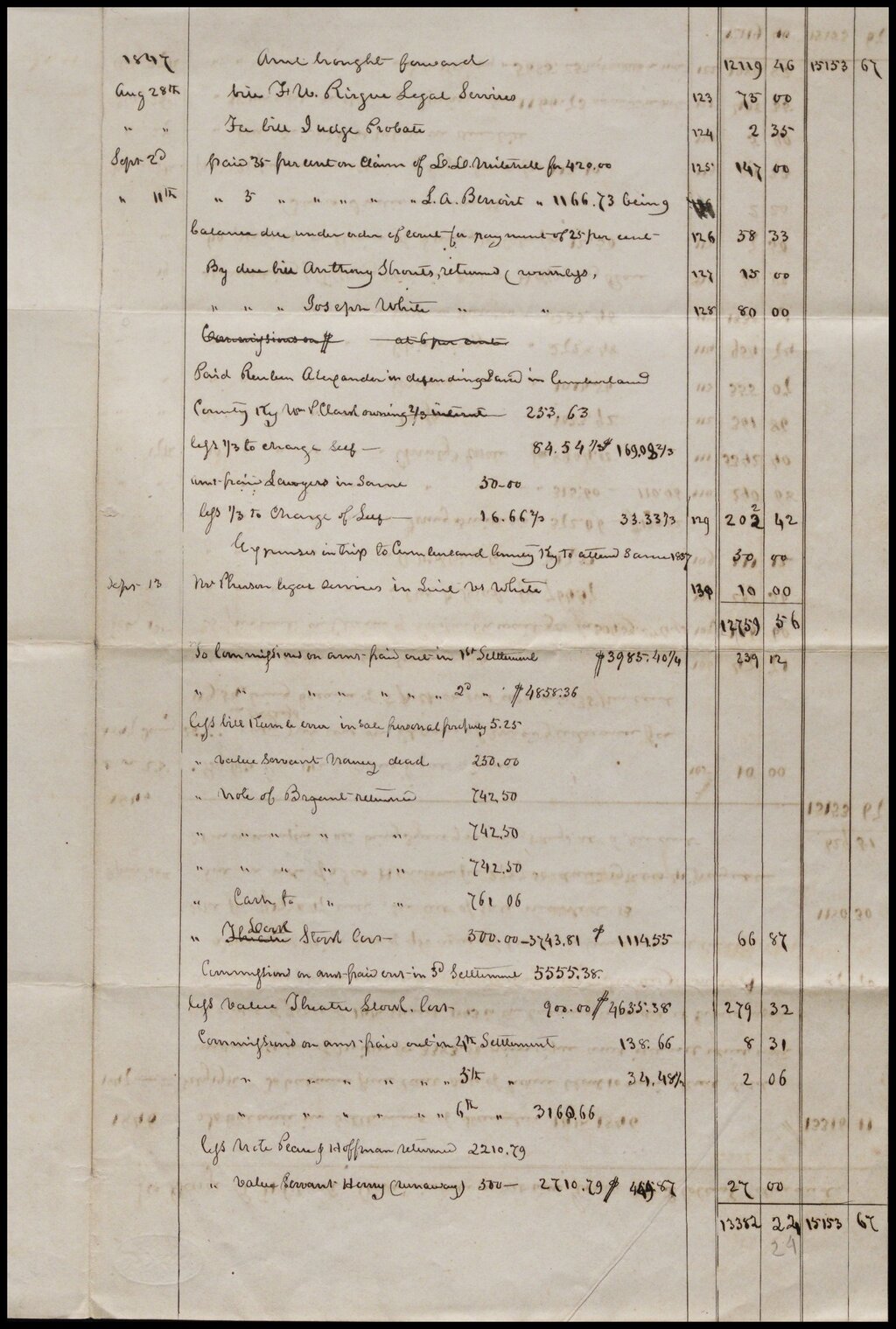
The main purpose of accounting is to provide useful information for decision-making. Investors want to know if a company is a good investment. Managers need to know which products are profitable. Banks need to assess if a company can pay back a loan. Accounting provides the data to answer these questions by telling a clear story about a company's financial health and performance.
The Core Equation
At the heart of all accounting is one simple, powerful equation. It's the foundation upon which everything else is built. This is the fundamental accounting equation:
This equation must always be in balance. Let's break down each part.
Asset
noun
A resource with economic value that a company owns with the expectation that it will provide a future benefit.
Assets are the things your business owns. This includes cash in the bank, inventory waiting to be sold, equipment, and buildings. It’s the stuff that helps the company operate and generate revenue.
Liability
noun
A company's financial debt or obligations that arise during the course of its business operations.
Liabilities are what your business owes to others. Think of them as claims that outsiders (like banks or suppliers) have on your assets. Common examples are bank loans, money owed to suppliers for materials (accounts payable), and salaries owed to employees.
Equity
noun
The value of the assets remaining in a business after all liabilities have been subtracted. It represents the owner's stake.
Equity is what's left for the owners after all the liabilities are paid off. It's the owner's claim on the assets. You can also think of the equation this way: Assets - Liabilities = Equity. This shows that equity is the residual value.
The equation reflects a simple truth: a company has to pay for everything it has (its assets). It can do this with either borrowed money (liabilities) or the owner's money (equity).
Telling the Story with Statements
So how do businesses communicate this information? They use a set of standardized reports called financial statements. These statements tell different parts of the company's financial story. The three most important ones are the Balance Sheet, the Income Statement, and the Statement of Cash Flows.
The Balance Sheet: This is a snapshot of a company's financial position at a single point in time. It's a direct representation of the accounting equation, listing out all the assets, liabilities, and equity.
The Income Statement: This statement shows how profitable a company was over a period of time (like a quarter or a year). It subtracts expenses from revenues to find the net income, or the 'bottom line'.
The Statement of Cash Flows: This report shows how cash moved in and out of the company over a period. It tracks cash from operating, investing, and financing activities. It helps answer the critical question: 'Where did the cash come from, and where did it go?'
Together, these statements provide a comprehensive view of a company's financial health. Understanding them is the first step toward making smarter business and investment decisions.