Introduction to ACCA
ACCA Qualification Overview
The Path to Chartered Status
The ACCA qualification is a journey towards becoming a Chartered Certified Accountant. It’s structured to build your knowledge from the ground up, starting with fundamental business and accounting principles and culminating in advanced strategic decision-making. Think of it as constructing a building: you need a solid foundation before you can build the upper floors and intricate designs.
The qualification is broken down into distinct levels, each with its own set of exams. You'll progress from understanding the basics to applying complex techniques in real-world scenarios. This layered approach ensures you have a deep and practical understanding of finance and business.
Exams and Levels
The ACCA exams are divided into four main stages. If you don't have a relevant university degree or prior accounting experience, you'll start with the Foundations level. Otherwise, you can begin at the Applied Knowledge level.
| Level | Exams Included |
|---|---|
| Foundations in Accountancy | Introductory & Intermediate Certificates in Financial and Management Accounting; Diploma in Accounting and Business |
| Applied Knowledge | Business and Technology (BT), Management Accounting (MA), Financial Accounting (FA) |
| Applied Skills | Corporate and Business Law (LW), Performance Management (PM), Taxation (TX), Financial Reporting (FR), Audit and Assurance (AA), Financial Management (FM) |
| Strategic Professional | Essentials: Strategic Business Leader (SBL), Strategic Business Reporting (SBR) Options (choose two): Advanced Financial Management (AFM), Advanced Performance Management (APM), Advanced Taxation (ATX), Advanced Audit and Assurance (AAA) |
Each level builds upon the last, taking you from operational skills to strategic leadership capabilities.
More Than Just Exams
Passing the exams is only one part of the equation. The ACCA qualification has two other crucial components designed to shape you into a well-rounded finance professional: the Ethics and Professional Skills Module (EPSM) and the Practical Experience Requirement (PER).
Ethics
noun
Moral principles that govern a person's behavior or the conducting of an activity.
The EPSM is an online module that exposes you to a range of ethical perspectives and professional challenges. It’s not about memorizing rules; it’s about developing the judgment and skepticism you'll need in your career. You'll work through realistic business scenarios, helping you build the skills that employers value most, such as communication, commercial acumen, and innovation.
Completing the EPSM early in your journey can even improve your pass rates for the Strategic Professional exams.
The Practical Experience Requirement (PER) is where you apply your learning in the real world. To qualify as an ACCA member, you must complete 36 months of relevant work experience. This experience must be supervised by a qualified professional who will help you achieve specific performance objectives.
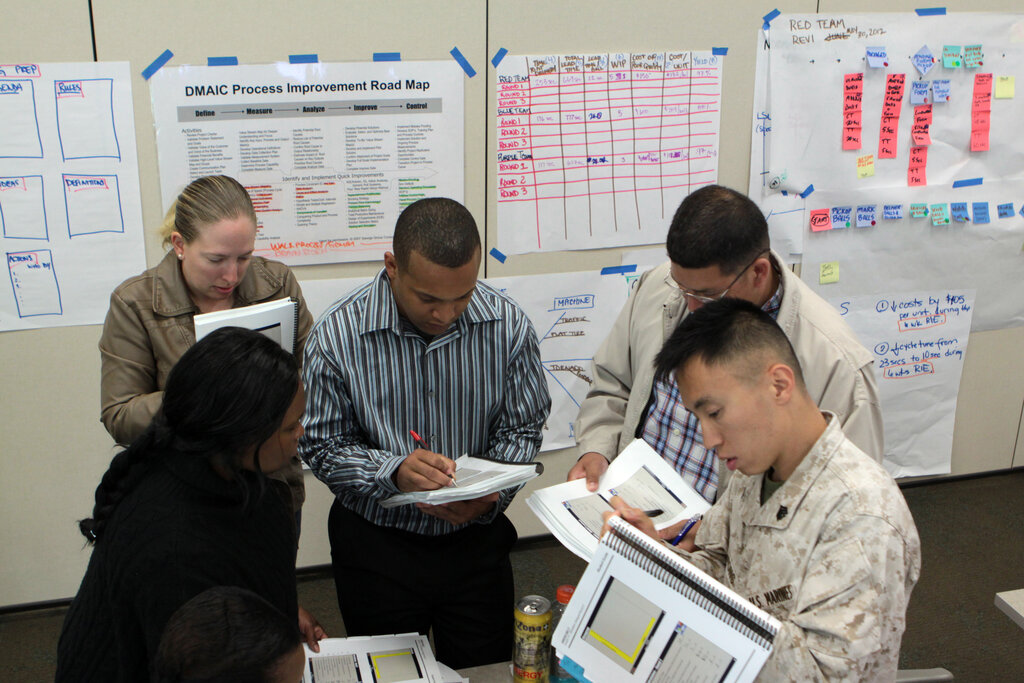
The PER ensures that you can actually do the job, not just pass exams about it. You'll gain technical skills, but also develop professional values and attitudes. This hands-on experience is what makes the ACCA qualification so respected by employers globally.
Time to check your understanding of the ACCA qualification structure.
What are the three core components required to fully qualify as an ACCA member?
What is the main objective of the Ethics and Professional Skills Module (EPSM)?