Introduction to 3PL
Introduction to Supply Chain Management
The Journey of a Product
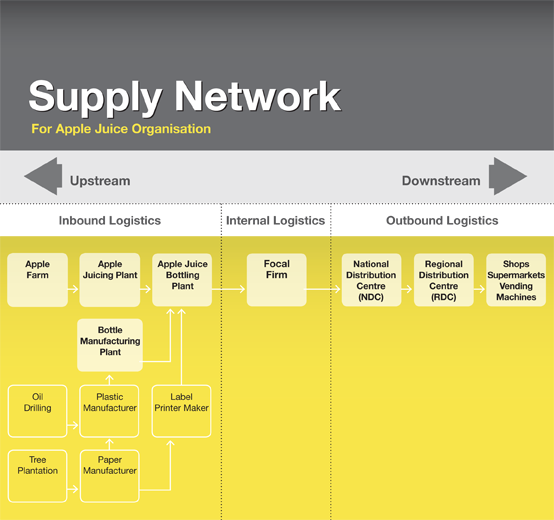
Think about the smartphone in your pocket or the coffee you drank this morning. It didn't just appear in the store. Getting that product to you involved a complex network of people, organizations, and activities. This entire network is a supply chain.
Supply Chain Management (SCM) is the art and science of managing this journey. It’s about getting the right product to the right place, at the right time, in the right quantity, and at the right cost. When done well, it's a seamless process you never even notice. When it breaks down, you see empty shelves and shipping delays.
A supply chain is a system of organizations, people, technology, activities, information and resources involved in moving a product or service from supplier to customer.
This flow isn't just about physical goods. It also includes the movement of information (like orders and shipping notices) and money (payments) in both directions. Imagine a river system with multiple streams and currents flowing back and forth. The main current carries the product downstream to the customer, while smaller currents of information and payments flow both ways.
The Core Components
A supply chain is made up of several key functions that must work together. While there are many moving parts, we can group them into four main areas: procurement, operations, logistics, and marketing channels.
Procurement
noun
The act of obtaining or buying goods and services. The process includes preparation and processing of a demand as well as the end receipt and approval of payment.
Procurement is the starting point. It’s about sourcing the raw materials, components, and services needed to create a product. This involves finding reliable suppliers, negotiating prices, and managing those relationships. Good procurement ensures a company has the high-quality materials it needs, on time and on budget.
Next is operations. This is where the product is actually made. Operations management focuses on transforming inputs (like raw materials) into outputs (finished goods). This includes activities like manufacturing, assembling, and testing. The goal is to make this transformation process as efficient as possible without sacrificing quality.
Logistics
noun
The detailed organization and implementation of a complex operation. In a business sense, it is the management of the flow of things between the point of origin and the point of consumption.
Once a product is made, logistics takes over. This function is all about the movement and storage of goods. It involves warehousing (where to store products), inventory management (how much to store), and transportation (how to move it).
Logistics ensures that products get from the factory to the warehouse, and finally to the customer, in the most efficient way.
Logistics is a key part of the larger supply chain. While SCM is the overall strategy for the entire product journey, logistics focuses specifically on the physical movement and storage of goods within that chain.
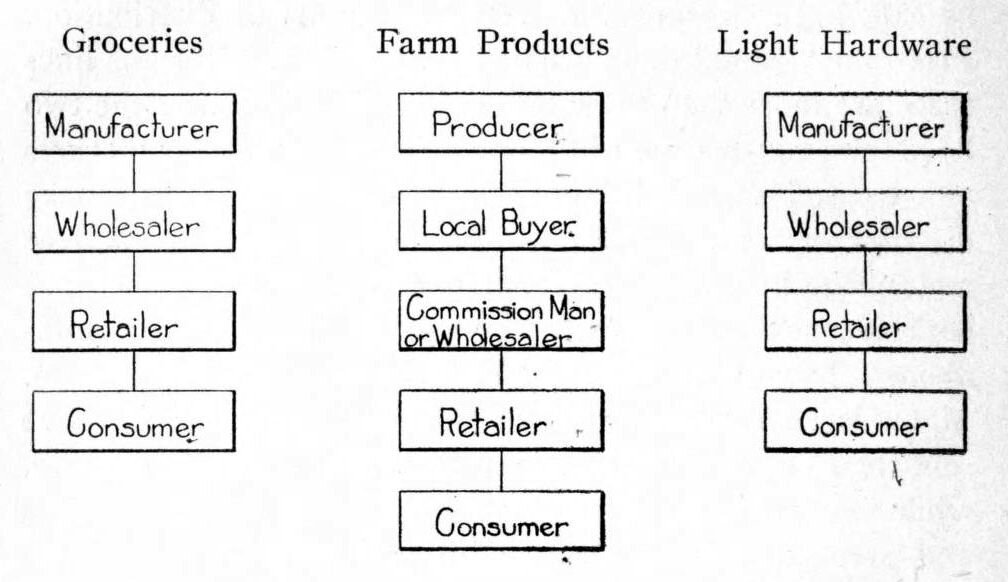
Finally, marketing channels are the paths products take to reach the end consumer. This could be direct, from the company's website to your door. Or it could be indirect, involving wholesalers, distributors, and retailers. Choosing the right marketing channels is crucial for making products available and accessible to customers.
A Coordinated Effort
These components aren't independent silos. They are deeply interconnected. A decision in procurement, like choosing a new supplier, will impact operations and logistics. A marketing promotion can create a surge in demand that the entire supply chain must be ready to handle.
This is why collaboration and communication are so important. The main role of a supply chain manager is to oversee this entire process, ensuring all the different parts work together smoothly. They coordinate with procurement specialists, operations managers, and logistics coordinators to keep the chain moving.
An effective supply chain is much more than the sum of its parts.
The ultimate goal is to create a seamless flow that delivers value to the customer while keeping costs down and adapting to changes in the market. A well-managed supply chain is a powerful competitive advantage.
Now, let's test your understanding of these fundamental concepts.
What is the primary goal of Supply Chain Management (SCM)?
A smartphone company is negotiating contracts with various companies that provide camera lenses, processors, and batteries. This activity falls under which core function of the supply chain?
Understanding these core ideas provides the foundation for exploring more complex topics in supply chain management.