Introduction to 3D Scanning
Introduction to 3D Scanning
Capturing the Real World
At its core, 3D scanning is a process that analyzes a real-world object to collect data on its shape and appearance. Think of it like digital sculpting, but instead of starting from scratch, you begin with something that already exists. The goal is to create a digital, three-dimensional model that you can view, modify, and use on a computer.
A 3D scanner projects light or lasers onto an object and captures its reflection with sensors. By calculating the distance and shape from countless points on the object's surface, it pieces together a detailed digital replica. This digital file, often called a point cloud or a mesh, contains all the geometric information needed to represent the object accurately.
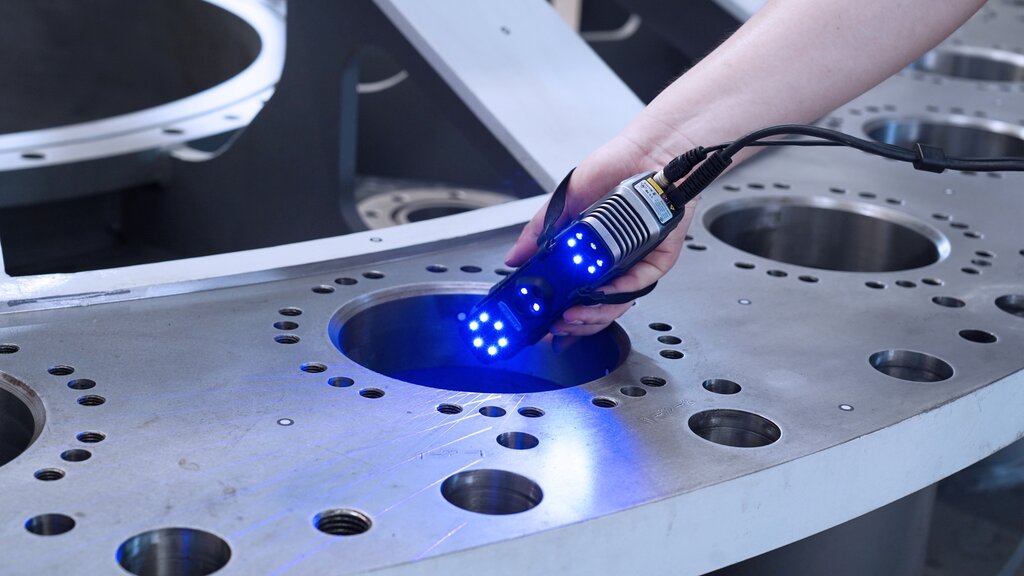
This process isn't just about shape. Many scanners also capture color and texture information, essentially draping a high-resolution photograph over the geometric frame. The result is a lifelike digital twin of the physical object, ready for a wide range of uses.
From Factories to Film Sets
The applications for 3D scanning are incredibly diverse, touching almost every modern industry. It has become a vital tool for innovation and efficiency.
In manufacturing, engineers use 3D scanners for quality control. They can scan a newly made part and compare it to the original digital design with microscopic precision, ensuring every piece is perfect. It's also used for reverse engineering—if a critical machine part breaks and there are no blueprints, technicians can scan the broken piece to create a new one.
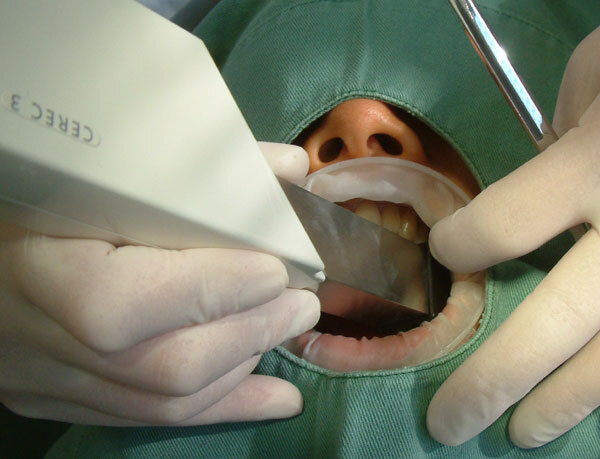
Healthcare has been transformed by this technology. Dentists create perfectly fitting crowns and implants by taking a quick, comfortable 3D scan of a patient's mouth. Surgeons can scan a patient's anatomy to plan complex operations beforehand, and designers create custom-fit prosthetics that are more comfortable and functional than ever before.
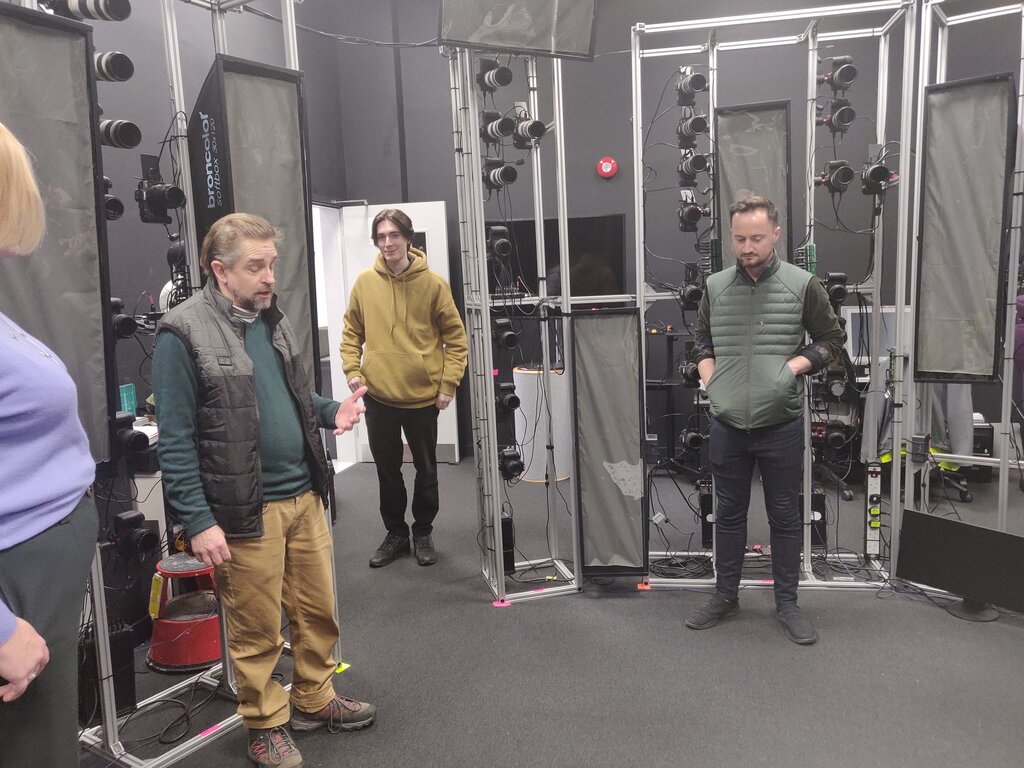
The entertainment industry relies heavily on 3D scanning to create stunning visual effects. Actors are scanned to create realistic digital doubles for action sequences, and entire film sets or historical locations can be digitized to build immersive virtual worlds in movies and video games.
How It Works
Regardless of the specific technology, the fundamental process of 3D scanning follows a clear path from the physical to the digital.
The process starts with an object in the real world. A scanner captures its surface data, which is then processed by software to create the final 3D model. This model can then be used in countless ways, from 3D printing a new version of the object to analyzing its properties in a simulation.
Three-dimensional imaging has become an essential tool in modern health care, enabling accurate diagnosis and treatment planning for a wide range of conditions.
This foundational ability to bridge the physical and digital worlds is why 3D scanning continues to grow in importance.
Ready to check your understanding?
What is the primary goal of 3D scanning?
The initial digital file created from the countless points captured by a 3D scanner is commonly known as a...
By capturing reality and bringing it into the digital realm, 3D scanning provides powerful new ways to design, create, and analyze the world around us.