Introduction to 3D Printing
Introduction to 3D Printing
What is 3D Printing?
At its core, 3D printing is the process of creating a physical, three-dimensional object from a digital design. Think of it like a regular inkjet printer, which creates a 2D image by placing ink on paper. A 3D printer does something similar, but instead of ink, it uses materials like plastic, resin, or metal, and it doesn't just print one flat layer. It prints layer upon layer, stacking them on top of each other until a full object emerges.
This method is also known by a more formal name: additive manufacturing. The name says it all. You are adding material, bit by bit, to build something from the ground up. This is fundamentally different from how most things have been made throughout history.
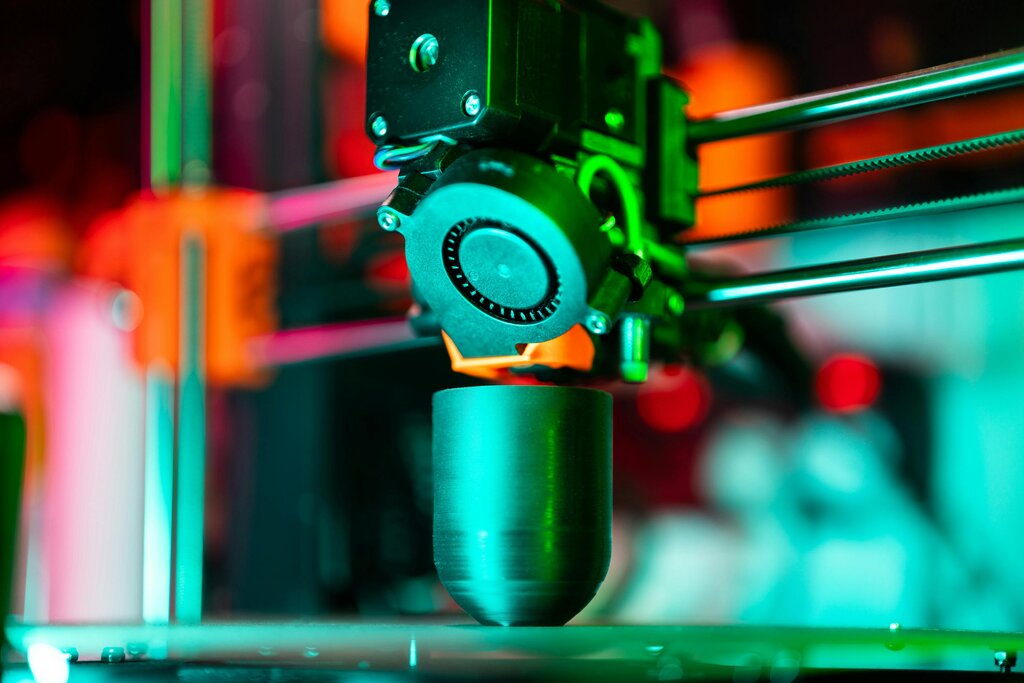
A New Way to Make Things
For centuries, we’ve relied on subtractive manufacturing. Imagine a sculptor starting with a big block of marble. To create a statue, they chip away everything that isn't the statue. That’s the essence of subtractive methods: you start with a solid block of material and cut, drill, or carve away the excess to reveal the final shape. This is how many common objects are made, from car parts machined from a block of aluminum to wooden chair legs carved from a log.
The key difference is waste. In subtractive manufacturing, the material that's carved away often becomes scrap. Additive manufacturing, on the other hand, is much more efficient. It only uses the material needed for the object itself, creating very little waste.
Where Did It Come From?
Though it feels like a modern invention, the basic concept of 3D printing has been around for decades. The first successful 3D printing technology, called stereolithography, was invented in the early 1980s. For a long time, this technology was incredibly expensive and complex, limiting its use to large corporations for creating prototypes.
Everything changed in the 2000s when key patents began to expire. This opened the door for new companies and individuals to experiment, leading to an explosion of innovation. Suddenly, printers became cheaper, smaller, and easier to use. What was once a niche industrial tool started finding its way into workshops, schools, and even homes.
The shift from an industrial secret to a mainstream tool happened when the technology became accessible and affordable for everyone.
Who Uses 3D Printing?
Today, additive manufacturing is transforming countless fields. It's not just for hobbyists making small plastic figures. Industries are using it to solve complex problems and create things that were once impossible.
Aerospace engineers print lightweight, intricate parts for rockets and satellites. Doctors and surgeons create custom medical implants and surgical guides tailored to a specific patient's anatomy. Architects build detailed scale models, and some are even experimenting with printing entire buildings. Even fashion designers are using 3D printing to craft unique clothing and accessories.

The technology allows for rapid prototyping, enabling designers and engineers to test ideas quickly without the need for expensive tooling. It also supports custom, on-demand manufacturing, changing how we think about supply chains and production.
Let's review the key concepts we've covered.
Ready to test your knowledge?
What is the fundamental principle behind the technology known as 3D printing?
True or False: A key advantage of additive manufacturing over subtractive manufacturing is that it typically generates significantly less material waste.
From its simple layer-by-layer principle to its broad industrial impact, 3D printing represents a major shift in how we create the world around us.