Introduction to 3D Printing
Introduction to 3D Printing
What Is 3D Printing?
At its heart, 3D printing is the process of creating a three-dimensional object from a digital file. Think of it like a regular inkjet printer, but instead of putting a single layer of ink on paper, a 3D printer builds an object up layer by tiny layer.
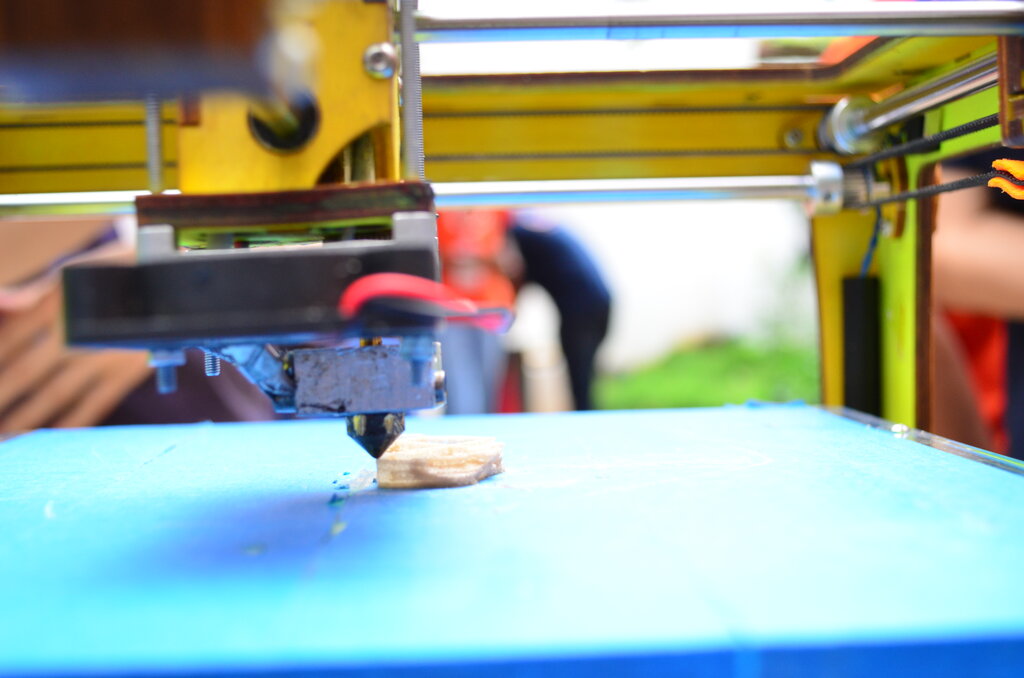
This method is officially called additive manufacturing. The name says it all: you add material to create something. This is the opposite of how most things have been made for centuries. The process starts with a digital design, like a blueprint created in a software program. The printer then reads this file and starts building, fusing together materials like plastic, metal, or resin until the final object is complete.
The core principle is simple: start with nothing and build an object from the ground up, one layer at a time.
A Brief History
The idea isn't brand new. The first successful 3D printing technology, called stereolithography, was invented by Chuck Hull in 1984. For decades, it was a niche, expensive tool used by engineers and big companies for creating prototypes. It was a way to quickly create a physical model of a new part to see how it looked and felt before committing to mass production.
But in the 2000s, key patents expired, opening the door for smaller, more affordable printers. Suddenly, hobbyists, small businesses, and schools could get their hands on the technology. This shift transformed 3D printing from an industrial secret into a widespread tool for innovation.
A Different Way to Make Things
Traditional manufacturing is mostly subtractive. You start with a solid block of material, like wood, metal, or stone, and carve, cut, or drill away until you're left with the desired shape. Think of a sculptor carving a statue out of a block of marble. All the marble chips on the floor are wasted material.
Additive manufacturing, on the other hand, is the complete opposite. It only uses the material needed for the object itself. This fundamental difference leads to some major advantages, like producing significantly less waste and enabling the creation of incredibly complex, intricate, or hollow shapes that would be impossible to make with traditional methods.
Who Uses 3D Printing?
Today, 3D printing is revolutionizing countless fields. The aerospace industry prints lightweight yet strong parts for airplanes and rockets. Doctors and dentists create custom implants, prosthetics, and surgical guides tailored perfectly to a patient's body. Architects print detailed models of buildings to help clients visualize a project before construction begins.
From fashion designers creating intricate clothing to car manufacturers building prototypes, the applications are constantly expanding. It allows for rapid innovation, on-demand production, and a level of customization that was once unimaginable.

Now that you understand the basics of what 3D printing is, let's test your knowledge.
What is the formal term for the manufacturing process used in 3D printing?
The core principle of traditional manufacturing is to start with a block of material and remove parts of it to create a final shape.
Understanding these core concepts is the first step into the exciting world of turning digital ideas into physical realities.