Introduction aux Réseaux Informatiques pour BTS SIO
Networking Basics
What Is a Network?
At its core, a computer network is just a group of two or more devices connected together to share information. Think of it like a conversation. For a conversation to happen, you need people (the devices) and a way for them to talk to each other, like speaking in the same room or using a phone line.
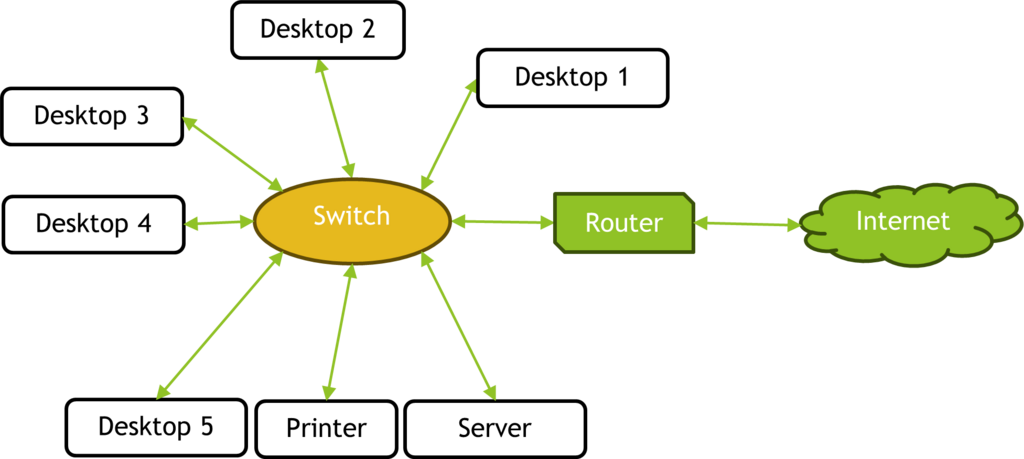
The main goal of any network is to let devices share things. This could be access to the internet, a file, a printer, or a server. By connecting devices, we create a system where resources can be used more efficiently. Instead of every computer needing its own printer, a single printer can serve an entire office.
To understand how this works, we need to know the basic building blocks of any network: nodes and links.
Node
noun
Any device on a network that can send, receive, or forward information.
A node is just a technical term for one of the devices on the network. A node can be a personal computer, a server that stores files, a printer, or even a smartphone. If it's connected, it's a node.
The connections that tie these nodes together are called links. A link is the pathway for data to travel between nodes. Links can be physical, like an Ethernet cable, or they can be wireless, using radio waves like Wi-Fi or Bluetooth. Together, nodes and links form the basic structure of any network.
Networks Big and Small
Networks aren't all the same size. They are categorized based on the geographical area they cover. The three main types are LAN, MAN, and WAN.
A Local Area Network (LAN) is the smallest and most common type of network. It connects devices within a limited area, such as a single office building, a school, or your home. If you have a Wi-Fi router at home connecting your laptop, phone, and TV, you have a LAN.
A Metropolitan Area Network (MAN) is a step up in scale. It's a network that spans a larger physical area than a LAN, such as a city or a large university campus. A MAN often connects multiple LANs together. For example, a university might have a MAN to connect the networks in its library, dorms, and various academic buildings across campus.
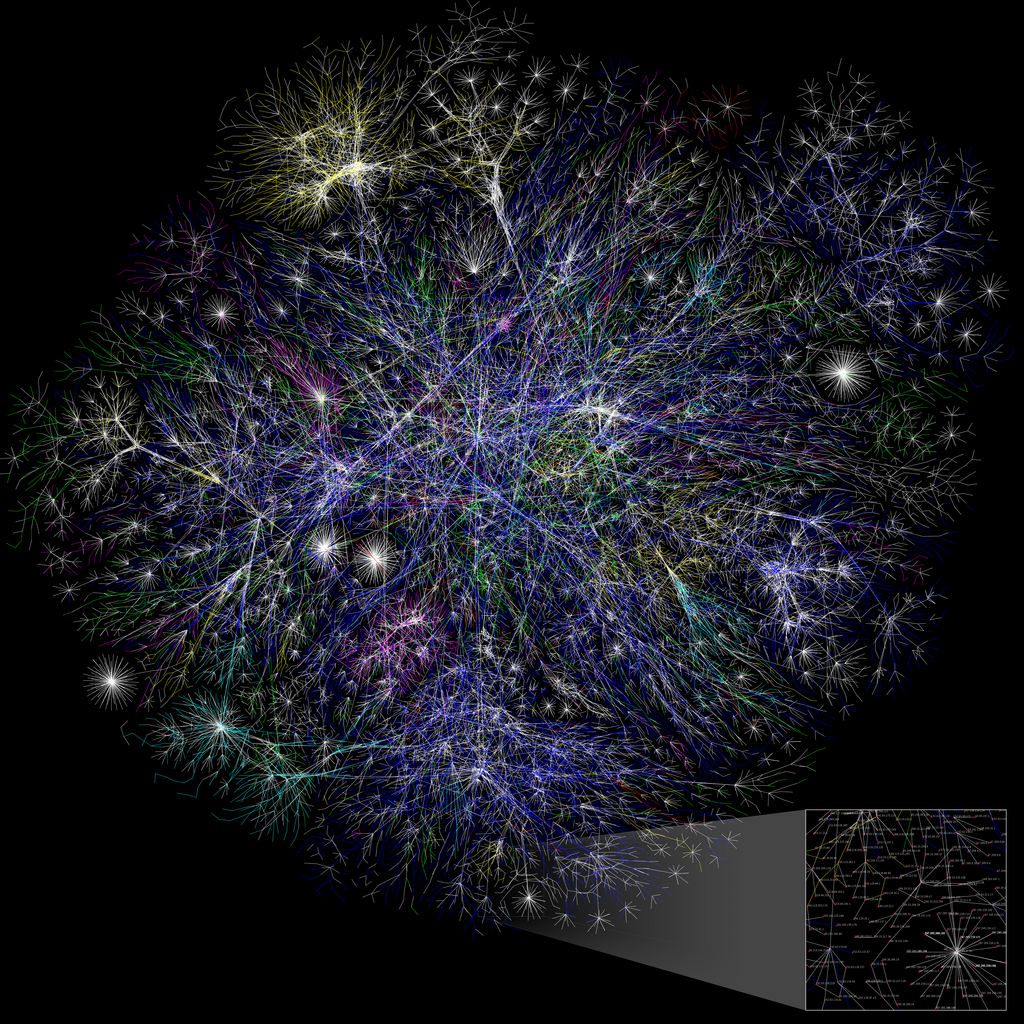
Finally, a Wide Area Network (WAN) covers a broad area, such as across cities, states, or even countries. A WAN connects multiple LANs and MANs. The most famous example of a WAN is the internet itself, which is a global network of computers.
| Network Type | Scope | Example |
|---|---|---|
| LAN (Local Area Network) | Single building or home | Your home Wi-Fi network |
| MAN (Metropolitan Area Network) | A city or large campus | A university campus network |
| WAN (Wide Area Network) | Large geographical area | The internet |
The Rules of the Road
Simply connecting devices isn't enough. For them to communicate effectively, they need to speak the same language. In networking, this common language is called a protocol.
Protocol
noun
A set of rules and conventions that govern communication between devices on a network.
Protocols are the rules of the road for data. They dictate how data should be formatted, addressed, transmitted, and received. For example, when you send an email, your computer uses a specific protocol to ensure the message gets to the right person and can be read by their email client. Without protocols, data sent across a network would be a chaotic mess, like a room full of people all shouting in different languages at once.
Think of it this way: Nodes are the people, links are the air that carries their voices, and protocols are the shared language and etiquette that allow for a meaningful conversation.
What is the primary purpose of a computer network?
In a network, the devices (like computers and printers) are called ______, and the connections between them are called ______.
And that's the basic setup. Every complex network you interact with, from your local coffee shop Wi-Fi to the global internet, is built on these fundamental ideas of nodes, links, and protocols.