Intranet Essentials
Introduction to Intranets
Your Organization's Private Web
The internet connects billions of people and devices around the globe. It's a vast, public space. But what if an organization wants a similar network just for its own employees? That's where an intranet comes in.
intranet
noun
A private computer network within an organization, used to securely share information and computing resources among employees.
Think of an intranet as a walled garden. It uses the same technology as the internet, like web browsers and web pages, but it's completely sealed off from the public. Only authorized members of the organization, like employees, can get inside. You typically need a username and password to log in.
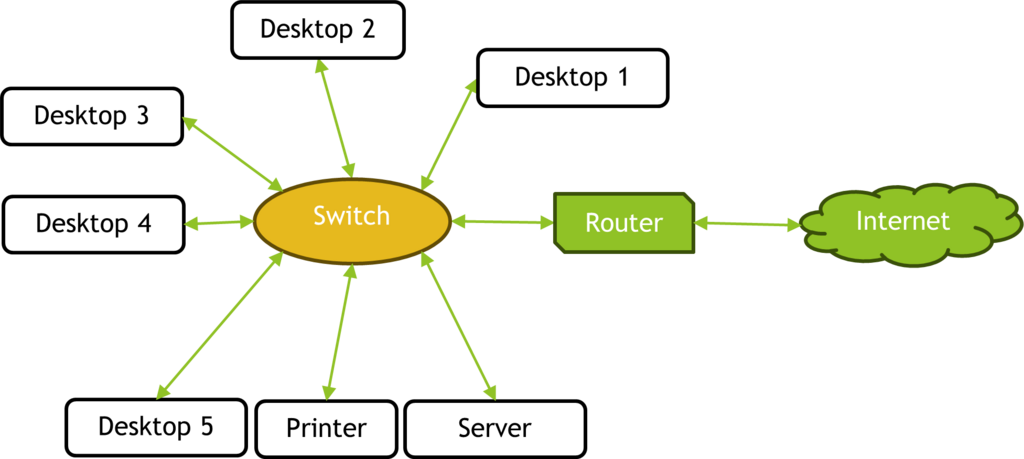
Internet vs. Intranet
The key difference is access. The internet is a global, public network that anyone can connect to. An intranet is a local, private network restricted to a specific group of people.
| Feature | Internet | Intranet |
|---|---|---|
| Access | Public, open to everyone | Private, restricted to authorized users |
| Scope | Global | Internal to an organization |
| Users | Anyone in the world | Employees, members |
| Purpose | General information, communication, e-commerce | Internal collaboration, sharing company resources |
An easy way to remember the difference is the prefix. "Inter" means between or among, so the internet connects many different networks. "Intra" means within, so the intranet operates entirely within one organization.
Why Use an Intranet?
Intranets serve as a central hub for a company's internal world. They solve a common problem in growing organizations: information getting trapped in different departments or teams.
One of the biggest goals of an employee intranet is to break down information silos.
By providing a single, shared space, an intranet helps everyone stay on the same page. Here are some of its main benefits:
- Communication: Companies can post news, announcements, and updates for everyone to see. This is more efficient than sending mass emails.
- Collaboration: Teams can work together on projects, share documents, and use dedicated workspaces, no matter where they are physically located.
- Information Sharing: It's a central repository for important documents. This includes things like employee handbooks, policy manuals, training materials, and internal contact directories.
- Efficiency: Employees can find the information and tools they need to do their jobs quickly, without having to ask around. Many intranets provide access to company-specific applications and forms, like expense reports or vacation requests.
Ultimately, a well-designed intranet boosts productivity by making internal resources easy to access and collaboration seamless.
Ready to check your understanding?
What is the primary characteristic that distinguishes an intranet from the internet?
The prefix "intra-" helps explain the function of an intranet. It means the network operates...
Intranets provide a private, digital space for organizations to connect and share, separate from the public internet.