Intraday Trading Essentials
Introduction to Intraday Trading
What is Intraday Trading?
Intraday trading, also known as day trading, is the practice of buying and selling financial instruments within the same trading day. Before the market closes, an intraday trader closes out all their positions. No trades are left open overnight.
The core objective is to profit from small price movements in highly liquid stocks or currencies.
Think of it like being a sprinter, not a marathon runner. Instead of holding an asset for weeks, months, or years, waiting for a large price change, an intraday trader makes numerous trades throughout the day to capture small, quick gains. The profits on each trade might be modest, but they can add up over time.
How It's Different
Trading styles are defined by the length of time a trader holds a position. Intraday trading is on the shortest end of the spectrum. This differs significantly from other approaches like swing trading or long-term investing.
| Trading Style | Holding Period | Primary Goal |
|---|---|---|
| Intraday Trading | Minutes to Hours | Profit from small, daily price fluctuations. |
| Swing Trading | Days to Weeks | Capture a larger price move or "swing." |
| Long-Term Investing | Months to Years | Benefit from long-term growth and dividends. |
Because the timeframe is so short, intraday traders focus heavily on factors that can cause short-term market moves. This includes the release of economic data, corporate earnings, and market sentiment. In contrast, a long-term investor is more concerned with the fundamental health of a company, its growth prospects, and its position in the industry over many years.
Benefits and Challenges
Intraday trading has a unique set of advantages and disadvantages. One of the biggest benefits is the avoidance of overnight risk. Since all positions are closed by the end of the day, traders aren't exposed to the possibility of negative news or events that could cause a stock's price to drop dramatically before the next market open.
This style also allows for the potential for frequent profits and makes heavy use of leverage, which can amplify gains. However, this is a double-edged sword.
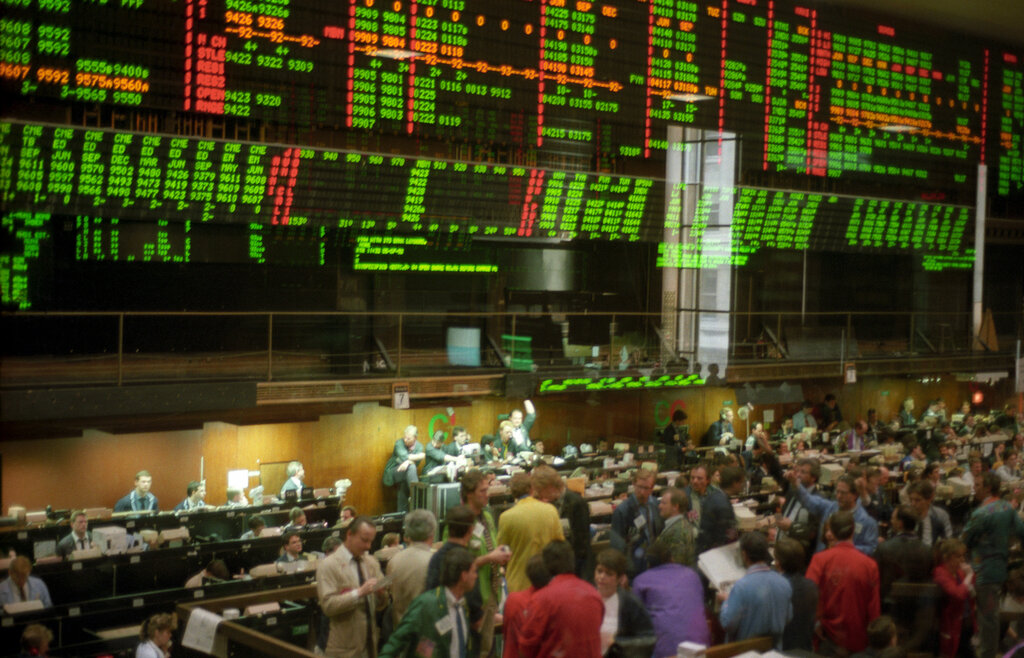
The challenges are significant. Leverage can just as easily magnify losses, leading to substantial financial risk. Intraday trading requires intense focus and a significant time commitment during market hours. It’s not something you can do passively.
Furthermore, transaction costs from frequent trading, like commissions and fees, can eat into profits. The constant decision-making and rapid pace also make it a high-stress activity that demands strong emotional discipline.
Start simple, stay consistent, and gradually build your expertise for long-term intraday trading success.
Now, let's test your understanding of these core concepts.
What is the defining characteristic of intraday trading?
True or False: An intraday trader often holds their positions open overnight to benefit from after-hours market movements.
Understanding the fundamental nature of intraday trading—its objectives, characteristics, and trade-offs—is the first step before exploring any specific strategies.