Interview Manipulation and Influence Tactics
Cognitive Bias Foundations
The First Five Minutes
An interview isn't a neutral evaluation of your skills. It's a social interaction filtered through the interviewer's subconscious mind. The outcome is often decided not by the substance of your answers, but by snap judgments made in the first few minutes. This process is called thin-slicing—the brain's ability to find patterns and make quick, often surprisingly accurate, conclusions from minimal information.
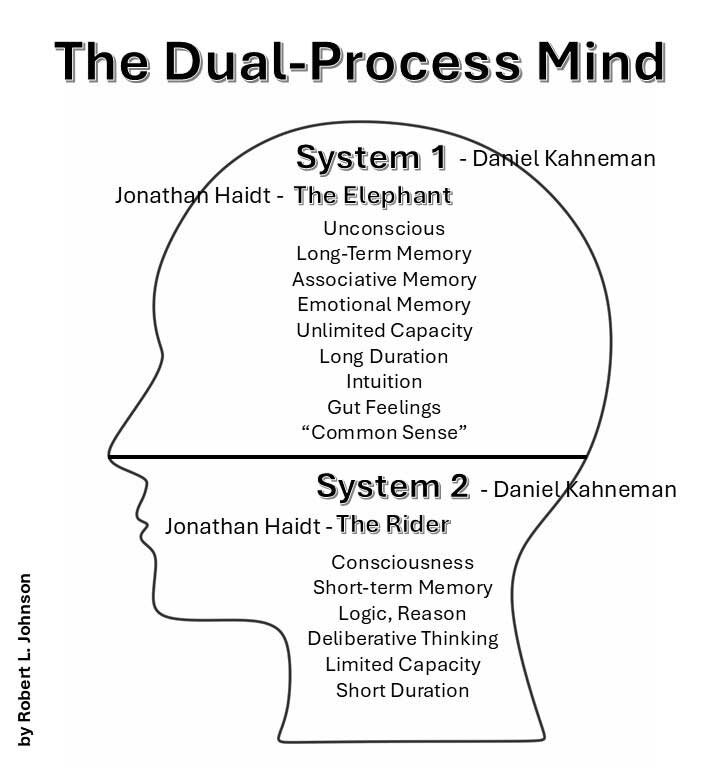
When an interviewer first meets you, their brain rapidly processes cues like your confidence, warmth, and energy. This initial slice of data creates a mental framework. If the impression is positive, it triggers the Halo Effect. This bias causes the interviewer to perceive all your subsequent actions and answers through a positive lens. A slightly weak answer is seen as thoughtful hesitation. A stumble is endearing. In essence, a strong first impression buys you a significant margin of error.
The Halo Effect means if they like you, they'll assume you're competent. If they don't, they'll look for reasons to justify their initial feeling.
Finding Common Ground
Humans are wired to like people who are like them. This is the foundation of Affinity Bias. Interviewers are subconsciously drawn to candidates who share their background, interests, or even communication style. This doesn't mean you need to have gone to the same college or be from the same hometown. It's about creating a sense of shared identity.
You can leverage this by subtly mirroring the interviewer's pace of speech, posture, and energy levels. If they are high-energy and speak quickly, match that. If they are more reserved and thoughtful, slow down. This isn't about mimicry; it's about social calibration. Pay close attention during the initial small talk. Did they mention a favourite sports team, a recent holiday, or a hobby? These are hooks to establish a connection beyond the professional. Finding a single point of genuine commonality can shift the dynamic from an interrogation to a conversation between peers.
Confirming the Narrative
Once an interviewer forms an initial hypothesis about you—whether positive (thanks to the Halo Effect) or negative—they will subconsciously seek evidence to support it. This is Confirmation Bias in action. If they believe you're a strong candidate, they'll ask questions in a way that allows you to shine. They'll nod along and interpret your answers favourably.
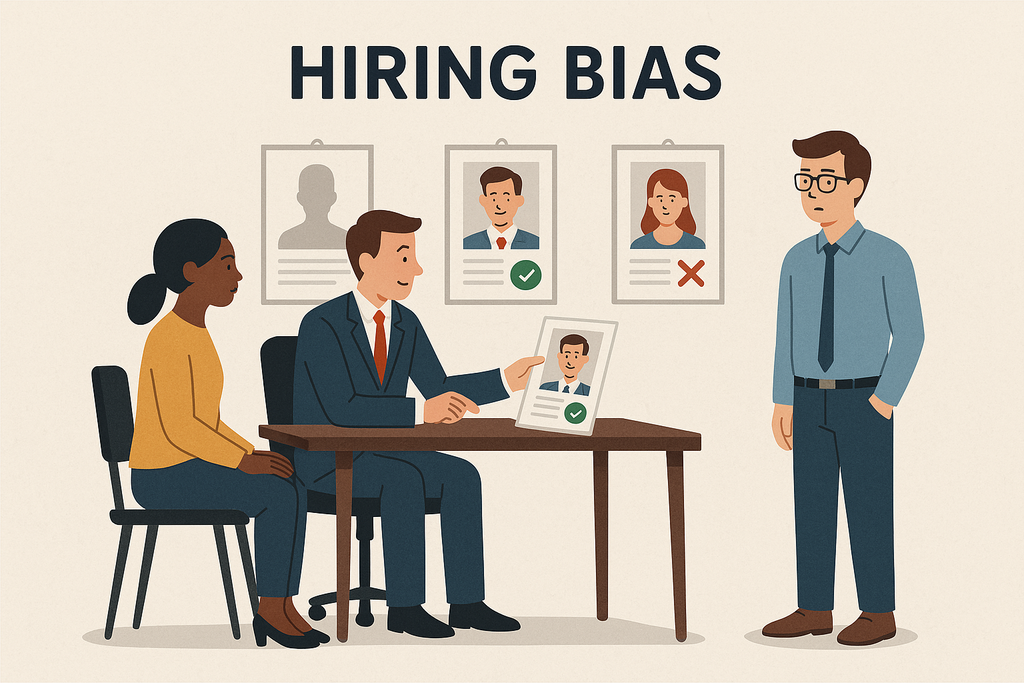
Conversely, if their initial impression is poor, they may frame questions to trip you up or focus on gaps in your resume. Their non-verbal cues will be less encouraging. This is why a structured interview, which uses the same set of predefined questions for all candidates, is meant to reduce bias. However, the interpretation of the answers remains highly subjective. The interviewer is still looking for data that confirms their gut feeling.
Two other related effects are crucial here: the Primacy Effect (we remember best what we see first) and the Recency Effect (we also remember well what we see last). Your first and last answers carry disproportionate weight. You must therefore start with a compelling, confident introduction and end with a memorable, insightful question or closing statement. These moments anchor the interviewer's perception of the entire conversation.
The goal is not to be deceptive. It's to understand the psychological game being played. By managing the initial impression through the Halo Effect, building rapport to trigger Affinity Bias, and providing consistent evidence to feed the interviewer's Confirmation Bias, you control the narrative. You ensure they walk away with the impression they were looking for all along: that you are the right person for the job.
What is the term for the brain's ability to make quick, often surprisingly accurate, judgments about a person based on minimal information, especially within the first few minutes of an interview?
If an interviewer makes a positive snap judgment about you at the beginning of the meeting, they may interpret a slight stumble in your answer as 'thoughtful hesitation'. This is an example of the...