Interstitial Lung Abnormalities Unveiled
Introduction to Interstitial Lung Abnormalities
Unexpected Findings on a Lung Scan
Sometimes, a doctor orders a chest CT scan for one reason—like checking for lung cancer or investigating chest pain—and finds something completely unexpected. These incidental discoveries are known as interstitial lung abnormalities, or ILAs.
interstitial lung abnormalities
noun
Subtle, abnormal patterns seen on a chest computed tomography (CT) scan that suggest early-stage scarring or inflammation in the lung tissue, often found by chance.
The "interstitium" is the network of tissue that supports the lungs' tiny air sacs (alveoli). It includes the walls of the alveoli and the spaces around blood vessels and small airways. ILAs are signs that this supportive tissue might be subtly changing, showing early signs of thickening, scarring, or inflammation.
How Common Are They?
With the increasing use of CT scans in medicine, ILAs are being identified more frequently. Their prevalence varies, but studies show they appear in about 4% to 9% of smokers and are found in over 10% of adults over the age of 60.
The main risk factors are similar to those for many other lung conditions: older age and a history of smoking. The more CT scans are performed for screenings and other diagnostic purposes, the more these subtle abnormalities are being brought to light.
Why They Matter
While ILAs might be an incidental finding, they aren't insignificant. For some people, they can be the earliest detectable sign of a group of serious conditions called interstitial lung diseases (ILDs).
Many ILDs are characterized by pulmonary fibrosis, which is scarring of the lung tissue. This scarring makes the lungs stiff and can make breathing difficult. While not everyone with ILAs will develop a full-blown ILD, their presence is a significant risk factor.
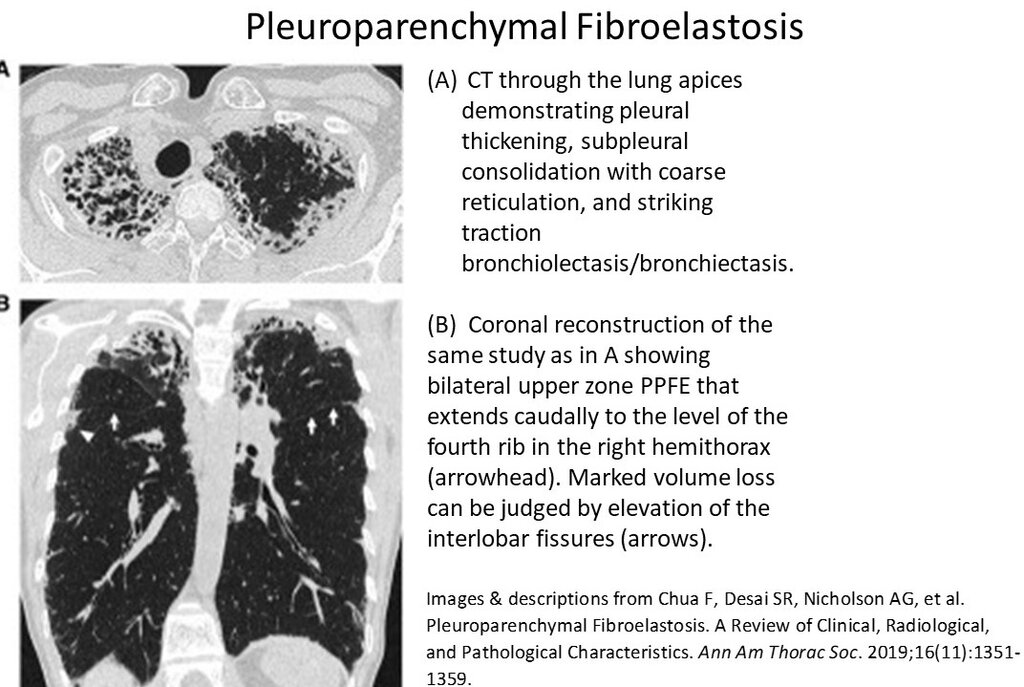
Studies have shown that individuals with ILAs have a higher risk of their lung function declining over time. They are also associated with an increased risk of death, even when accounting for other factors like smoking and age. This makes recognizing ILAs an important step in identifying people who may need closer monitoring.
Think of ILAs as a potential warning sign. They don't guarantee a problem will develop, but they signal that the lungs may be vulnerable to progressive disease.
The most concerning outcome is the progression to a clear case of pulmonary fibrosis, such as idiopathic pulmonary fibrosis (IPF), a serious and progressive lung disease. By identifying ILAs early, healthcare providers have a chance to watch for signs of progression and intervene before significant lung damage occurs.
The discovery of ILAs on a CT scan opens a window for early detection. It shifts the focus from reacting to advanced symptoms to proactively monitoring for the first signs of progressive lung disease.
Time to check what you've learned.
What is the most accurate description of an interstitial lung abnormality (ILA)?
ILAs are being identified more frequently primarily because of...
Understanding these subtle findings is the first step toward better management of lung health.