Interpreting Clinical Blood Results
Clinical Hematology Synthesis
Reading Between the Lines of a CBC
A Complete Blood Count (CBC) offers more than just a headcount of cells. It provides a nuanced story about a person's health, but only if you know how to read the subtle clues. Two of the most powerful storytellers for red blood cells are the Mean Corpuscular Volume (MCV), which tells you the average cell size, and the Red Cell Distribution Width (RDW), which measures the variation in their size.
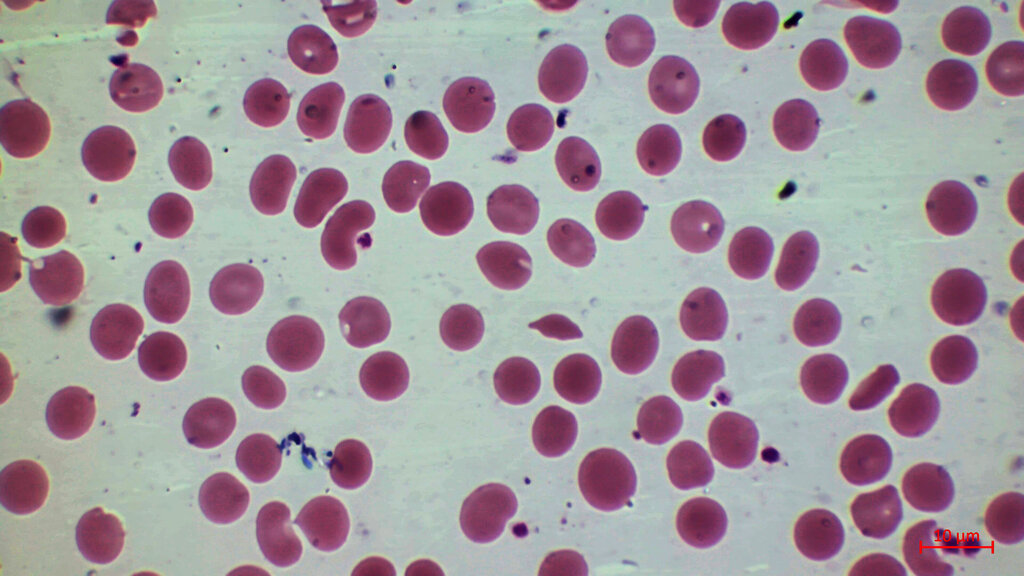
Think of it like this: MCV gives you the average height of a group of people, while RDW tells you if they're all about the same height or if you have a mix of very tall and very short individuals. This variation, a condition known as anisocytosis in medical terms, is a critical diagnostic clue. A high RDW means your red blood cells are all different sizes, which is often one of the first signs of a problem.
| MCV (Avg. Size) | RDW (Variation) | Common Interpretation |
|---|---|---|
| Low | High | Iron Deficiency Anemia |
| Low | Normal | Anemia of Chronic Disease, Thalassemia trait |
| Normal | High | Early Iron, B12, or Folate Deficiency |
| High | High | Folate or Vitamin B12 Deficiency |
When the body is starved for iron, it can't produce hemoglobin properly. New red blood cells come out smaller and smaller, while older, normal-sized cells are still circulating. This creates a wide variation in size, spiking the RDW. In contrast, with anemia from a chronic disease, the body consistently produces smaller cells, so the average size (MCV) is low, but the variation (RDW) remains normal.
The Neutrophil Left Shift
When we look at white blood cells, the differential count breaks them down by type. Neutrophils are the body's first responders to bacterial infections. The bone marrow holds a large reserve of mature, segmented neutrophils ready for deployment. It also contains younger, less mature forms called "bands."
In the face of a severe bacterial infection, the body uses up its mature neutrophils so quickly that the bone marrow is forced to release these immature bands into circulation. This surge in the percentage of band neutrophils is known as a left shift . It's a classic sign that the body is mounting a powerful, acute response to a bacterial invader. You typically don't see this pattern with viral infections, which tend to cause an increase in lymphocytes instead.
It's a powerful signal of physiological stress, telling the clinician that the immune system is working overtime.
Context is Everything
Individual lab values can be misleading without clinical context. For example, severe dehydration reduces the plasma volume in your blood. This makes the remaining components, like red blood cells, more concentrated. This phenomenon, called hemoconcentration , can falsely elevate hemoglobin and hematocrit levels, making it look like the patient has polycythemia (an overproduction of red blood cells).
However, a truly polycythemic patient will have a genuinely high red cell mass, while the dehydrated patient's numbers will return to normal once they are rehydrated. This is why lab results must always be interpreted in light of the patient's overall condition.
Similarly, intense physical exercise can cause a temporary, dramatic spike in the white blood cell count (leukocytosis). This is a normal physiological response where the body releases stored white blood cells into circulation. It's not a sign of infection or leukemia. If a patient has a high white count immediately after a marathon, the test should be repeated after a period of rest to get an accurate baseline.
Keep an eye on your CBC results, learn what's normal for you, and talk to your doctor if you see changes.
Understanding these nuances transforms a CBC from a simple list of numbers into a dynamic picture of a patient's physiology, allowing for more precise diagnosis and treatment.
Let's test your understanding of these clinical concepts.
Which of the following does the Red Cell Distribution Width (RDW) measure?
A patient's lab results show a low MCV and a high RDW. This pattern is most characteristic of which condition?
Interpreting a CBC is a critical skill that blends knowledge of physiology with careful clinical observation. By looking beyond single values and focusing on patterns and context, you can unlock a wealth of information.