Interpreting Blood Work for Health Optimization
Blood Test Basics
Why Get a Blood Test?
A blood test is like a snapshot of what’s happening inside your body. It gives doctors a look at your overall health, helps screen for potential issues, and shows how well your organs are working. Think of it as a routine check-in, just like checking the oil in your car.
There isn't just one single "blood test." Instead, doctors order specific panels to look at different things. The most common ones are the Complete Blood Count (CBC), a metabolic panel, and a lipid profile. Each tells a different part of your health story.
The Complete Blood Count
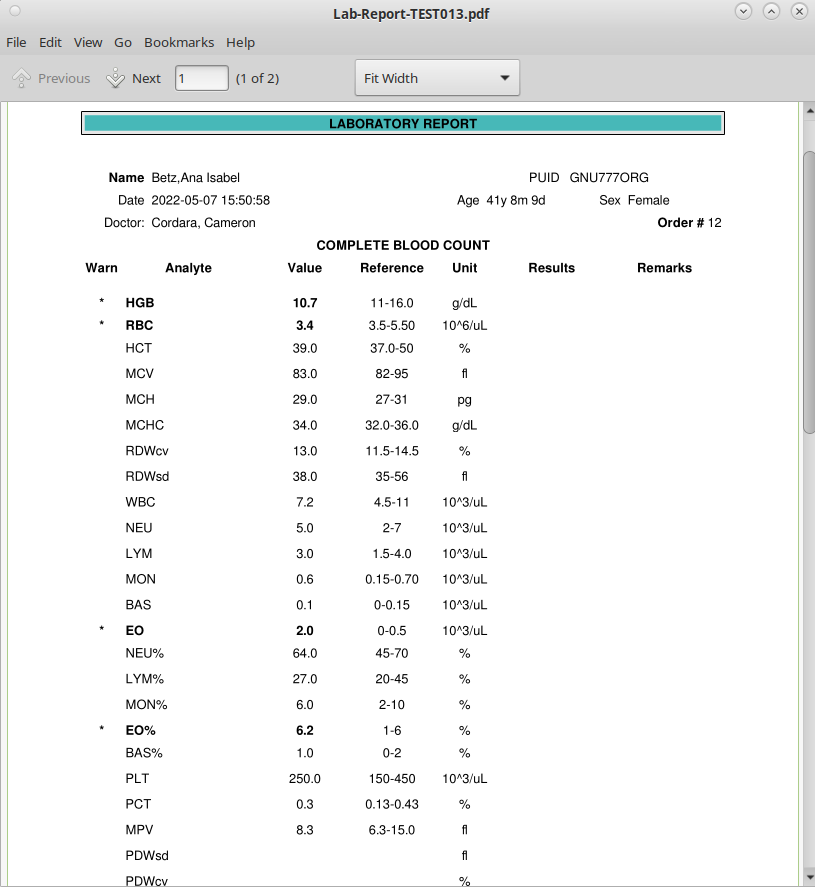
The Complete Blood Count, or CBC, is the most frequently ordered blood test. It measures the different types of cells in your blood and is a great broad-strokes indicator of your health. It focuses on three main players.
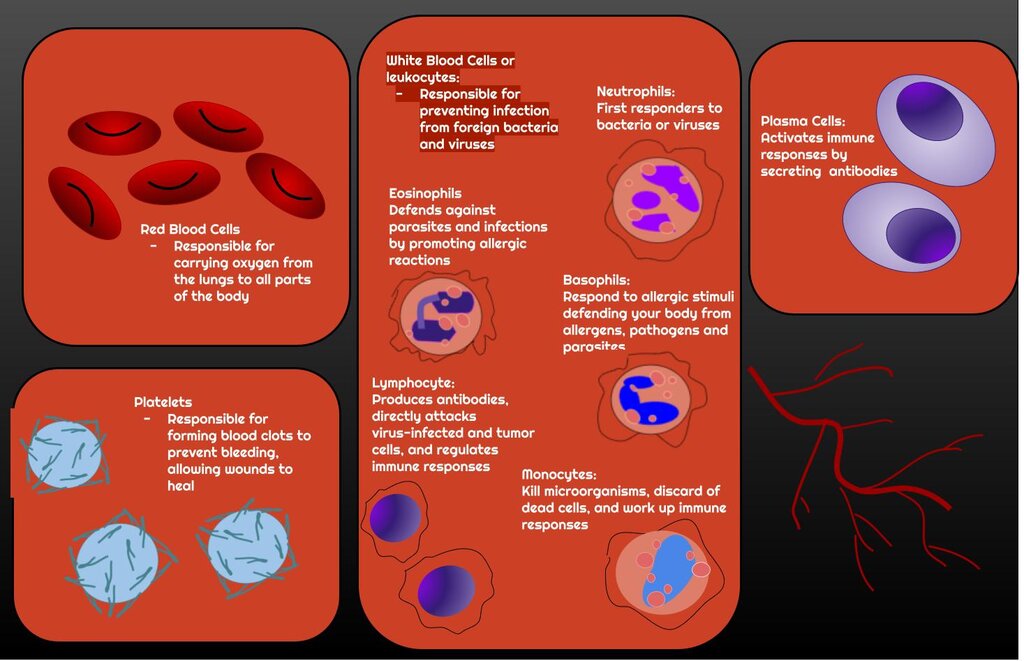
First are the red blood cells (RBCs). These are the delivery trucks of your body, responsible for carrying oxygen from your lungs to all your other tissues. A CBC also looks at hemoglobin, the protein in red blood cells that actually holds onto the oxygen, and hematocrit, which measures how much of your blood is made up of these cells.
Hemoglobin
noun
A protein in red blood cells that carries oxygen from the lungs to the body's tissues and returns carbon dioxide from the tissues back to the lungs.
Next are the white blood cells (WBCs), your immune system's security force. When your body detects an infection or inflammation, it sends out these cells to fight off the invaders. A high WBC count can signal that your body is battling something.
Finally, there are platelets. These are the tiny first responders that rush to the scene of an injury. When you get a cut, platelets clump together to form a clot and stop the bleeding.
| Component | Primary Function |
|---|---|
| Red Blood Cells (RBC) | Carry oxygen throughout the body |
| White Blood Cells (WBC) | Fight infection and inflammation |
| Platelets | Help blood to clot and stop bleeding |
Your Body's Chemistry
While a CBC counts your blood cells, a metabolic panel measures the chemicals and substances in your blood. It gives your doctor a picture of your body's metabolism—how it uses energy.
A Basic Metabolic Panel (BMP) typically checks eight different substances, including:
- Glucose: Your body’s main source of energy. Abnormal levels might point to issues with how your body processes sugar.
- Electrolytes: Minerals like sodium, potassium, and chloride that help balance your body’s fluid levels and keep your nerves and muscles working correctly.
- Kidney Markers: Substances like creatinine and blood urea nitrogen (BUN), which are waste products. High levels might indicate your kidneys aren’t filtering blood as well as they should.
A Comprehensive Metabolic Panel (CMP) includes everything in the BMP plus tests for liver proteins and enzymes. These can show how well your liver is functioning.
Cholesterol and Your Heart
A lipid profile is a blood test that focuses on cholesterol and other fats, called lipids. Since high cholesterol can increase your risk of heart disease, this panel is a key tool for assessing cardiovascular health. It measures a few different things.
LDL (Low-Density Lipoprotein): Often called "bad" cholesterol. High levels can lead to plaque buildup in your arteries, making them narrower and less flexible.
HDL (High-Density Lipoprotein): Known as "good" cholesterol. It helps remove excess cholesterol from your arteries, carrying it back to the liver to be flushed out.
Triglycerides: Another type of fat in your blood that your body uses for energy. High levels are often linked to diet and lifestyle.
Total Cholesterol: This is the combined measure of your LDL, HDL, and other lipid components.
It's All Relative
When you get your blood test results, you'll see your numbers next to a "reference range." This is the range of values considered normal for the general population. But "normal" isn't a one-size-fits-all concept.
Your age, sex, medical history, and even your lifestyle can influence what’s normal for you. For example, a man's and a woman's reference ranges for red blood cells are different. A person who lives at a high altitude will naturally have a higher red blood cell count.
This is why it's so important to discuss your results with your doctor. They don't just look at whether a number is inside or outside the standard range. They interpret your results in the context of you as an individual. What’s considered a perfect result for one person might be a point of concern for another. Your personal health profile provides the context needed to truly understand what the numbers mean.
Let's review what we've learned about the key blood test panels.
What is the primary role of white blood cells (WBCs)?
A doctor wants to check a patient's cholesterol and overall cardiovascular health risk. Which test would they most likely order?
Understanding these basic panels is the first step in making sense of your blood work and having more informed conversations with your healthcare provider.