Interoception Functional Breathwork and Mindfulness
Understanding Interoception
Tuning Into Your Inner World
You have five senses that tell you about the outside world: sight, sound, smell, taste, and touch. But what about the inner world of your body? There's a sense for that, too.
Interoception
noun
The perception of sensations from inside the body. It includes the perception of physical sensations related to internal organ function, such as heartbeat, respiration, satiety, and the autonomic nervous system activity related to emotions.
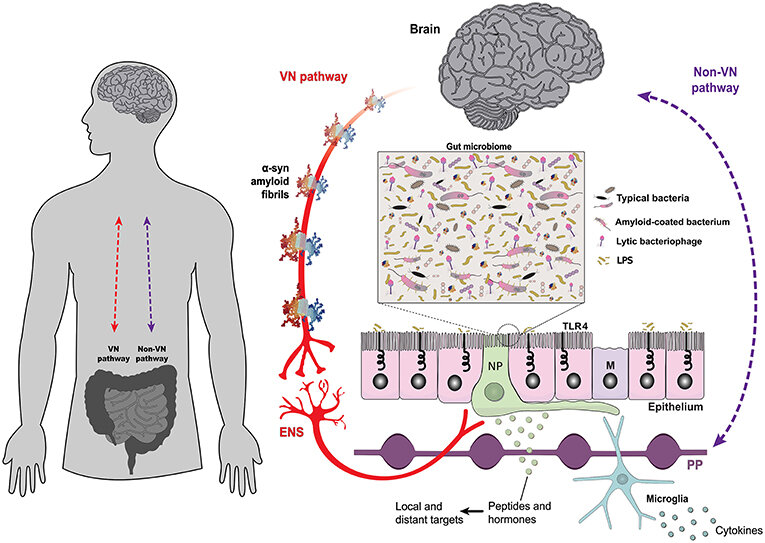
Think of interoception as your body's internal communication system. It's constantly sending messages to your brain about your physical state. Are you hungry? Thirsty? Is your heart racing? Do you feel warm, cold, tense, or relaxed? This is your interoceptive sense at work.
It’s a subtle but crucial sense. Unlike seeing a bright color or hearing a loud noise, interoceptive signals can be easy to ignore, especially when we're busy or distracted. But learning to pay attention to them is a key part of understanding yourself.
Your Body Is Talking
Emotions aren't just abstract feelings that happen in your mind. They have a physical presence. A surge of anger can make your jaw clench and your face feel hot. Sadness might feel like a heavy weight in your chest. Joy can feel like a light, expansive sensation.
These physical feelings are the language of your emotions. Interoception is what allows you to hear and interpret this language. When you have strong interoceptive awareness, you can notice the subtle shift in your stomach that signals you're getting nervous, or the relaxed shoulders that tell you you're feeling content. This connection is fundamental to emotional regulation.
If you can't feel what's happening in your body, it's much harder to know how you're feeling emotionally.
This link between physical sensation and emotional experience is not just a vague idea; it's wired into our nervous system. The parts of our brain that process interoceptive signals are deeply intertwined with the parts that generate emotions.
A Foundation for Mental Health
Because interoception is so tied to emotion, it plays a massive role in our mental well-being. Strong interoceptive awareness allows you to recognize emotional shifts early on. You can catch stress before it becomes overwhelming or notice feelings of burnout before you're completely exhausted. This gives you the chance to respond to your body's needs, whether that means taking a break, eating a meal, or seeking comfort.
Conversely, poor interoceptive awareness can create problems. Research links it to conditions like anxiety, depression, and eating disorders. If the signals from the body are weak, confusing, or misinterpreted, it can be difficult to manage your emotional state. Someone might mistake the physical symptoms of dehydration for anxiety, triggering a cycle of worry. Or they might not recognize feelings of fullness, leading to unhealthy eating patterns.
Improving interoception isn't about stopping uncomfortable sensations. It's about learning to understand them clearly so you can respond wisely.
The Internal Landscape
Finally, how does interoception relate to the classic five senses, known as exteroception (sensing the outside world)? They work together to create your complete experience of reality.
Imagine you're walking through a forest. Your eyes (exteroception) see the trees and sunlight. Your ears hear birds. At the same time, your interoceptive sense notices your breathing quicken as you walk up a hill and the feeling of calmness that settles in your chest. Your brain integrates all of this information. The external sights and sounds are blended with your internal feelings to form a single, unified experience of a peaceful hike.
Another sense, proprioception, tells you where your body is in space. It's how you can touch your nose with your eyes closed. Interoception, exteroception, and proprioception are constantly in dialogue, helping you navigate both your inner and outer worlds.
Engaging in regular introspection, interoception, and reflection helps us become aware of thoughts, emotions, and behaviors.
By understanding the role of this quiet, internal sense, you're laying the groundwork to better understand your emotions, manage stress, and cultivate a stronger connection between your mind and body.