Internships in International Relations
Understanding International Relations Internships
Getting Real-World Experience
An international relations degree gives you a strong theoretical foundation. But how do you translate that classroom knowledge into a career? Internships are the bridge. They are short-term work experiences that let you apply what you've learned in a professional setting. Think of them as a test drive for your future career, giving you a firsthand look at the daily realities of working in international affairs.
Internships and externships offer invaluable hands-on experience and are often a pathway to full-time employment.
Beyond just building your resume, an internship helps you build a professional network, find mentors, and clarify your career goals. It’s your chance to see if the work you imagined doing is what you actually enjoy.
Where to Find Internships
The field of international relations is vast, and so are the internship opportunities. They generally fall into a few main categories. Each offers a different perspective and type of experience.
| Organization Type | What They Do | Example Internship Focus |
|---|---|---|
| Government Agencies | Work on diplomacy, foreign policy, and national interests. | Assisting with reports at a state department or an embassy. |
| NGOs | Focus on specific issues like human rights, aid, or the environment. | Supporting a fundraising campaign or advocacy project. |
| Think Tanks | Conduct research and analysis on international issues. | Fact-checking research papers or summarizing policy briefs. |
| International Institutions | Operate globally to foster cooperation on issues like peace or economic stability. | Helping to organize a conference for an agency like the UN. |
Many large multinational corporations also offer internships in their global affairs or corporate social responsibility departments. These roles focus on how international trends impact business, from supply chain logistics to navigating foreign regulations.
What You'll Actually Do
Intern responsibilities vary widely, but most roles are designed to be substantive learning experiences. While you might handle some basic administrative tasks, you'll likely be entrusted with meaningful work that contributes to the organization's goals.
Common duties include:
- Research Assistance: This is a big one. You might gather data for a report, conduct literature reviews on a specific topic, or monitor news from a particular region.
- Policy Analysis: Interns often help senior staff by summarizing new legislation, tracking policy developments, or drafting memos that distill complex issues into key points.
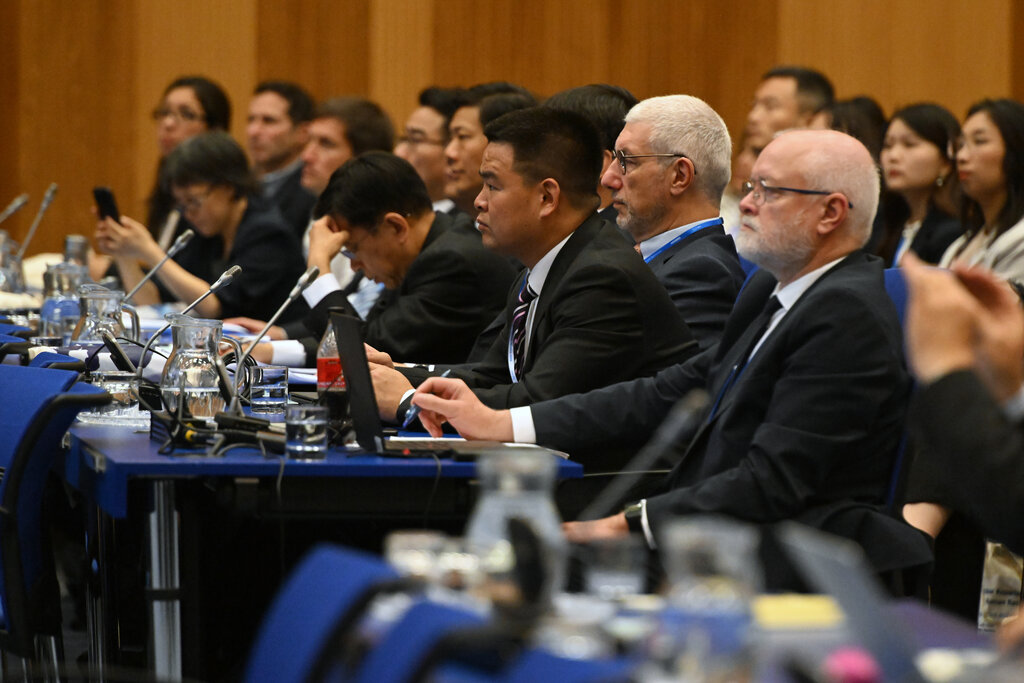
- Event Coordination: Many organizations host conferences, panels, and workshops. As an intern, you could help with logistics, from sending invitations and managing registration to taking notes during the event.
- Communications Support: You might be asked to draft social media posts, contribute to newsletters, or update the organization's website. This helps you learn how to communicate complex ideas to a broader audience.
No matter the specific tasks, the goal is exposure. You’ll be in meetings, listen to experts, and see how decisions are made.
Skills That Matter
Employers aren't expecting interns to be experts, but they do look for a solid foundation of skills and knowledge. Your coursework in international affairs is the starting point, showing you have a grasp of the key theories and historical context.
Beyond that, organizations typically seek candidates with:
- Strong Communication Skills: This means clear and concise writing, as well as the ability to articulate your ideas verbally.
- Analytical Abilities: Can you take a large amount of information, identify what's important, and draw logical conclusions? This skill is crucial for research and policy analysis.
- Adaptability: The world of international relations is fast-paced. Employers want to see that you're proactive, eager to learn, and can handle multiple tasks.
- Language Skills: Fluency or proficiency in a second language can be a major asset, especially for organizations that work in specific regions.
Building these skills, both in and out of the classroom, will make you a much stronger candidate for any internship you pursue.