Internet Safety and Cybersecurity Essentials
Introduction to Cybersecurity
Your Digital Front Door
You wouldn't leave your house unlocked. You protect your home, your car, and your wallet because they contain things that are valuable to you. Cybersecurity is the digital version of that. It’s the practice of protecting your computers, phones, networks, and data from being stolen, damaged, or accessed by people who shouldn't have them.
Cybersecurity
noun
The practice of defending computers, servers, mobile devices, electronic systems, networks, and data from malicious attacks.
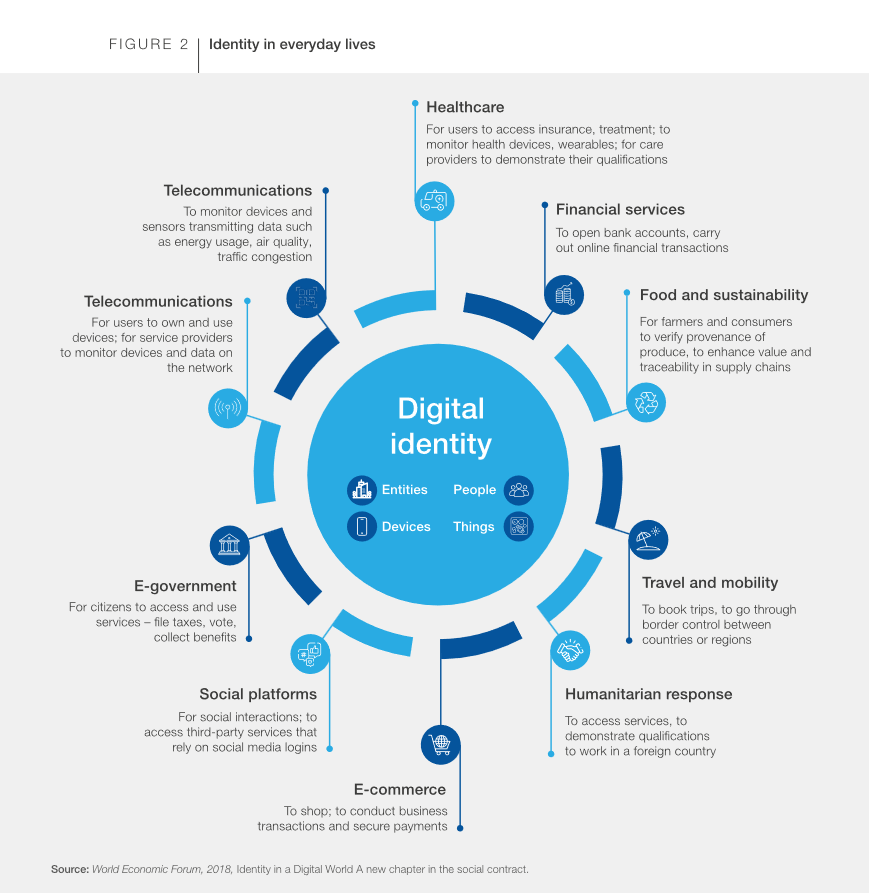
In today's world, nearly every part of our lives is connected to the internet. From banking and shopping to communicating with friends and family, our most sensitive information is stored and shared digitally. This includes your identity, financial details, private conversations, and photos. For businesses, it includes customer data, trade secrets, and financial records. All of this information is valuable, and just like physical valuables, digital ones need protection.
The importance of cybersecurity comes from the fact that there are always people trying to exploit vulnerabilities to get to that valuable data. These attempts are known as cyber attacks or threats.
Common Cyber Threats
Cyber threats come in many forms, but most have a common goal: to access, change, or destroy sensitive information, extort money, or disrupt normal business operations. Let's look at a few of the most common types.
Malware
noun
Software intentionally designed to cause damage to a computer, server, client, or computer network.
Malware, short for "malicious software," is a catch-all term for any software created to harm. This includes viruses that can corrupt your files, spyware that secretly records what you do, and adware that bombards you with unwanted pop-ups. It often gets onto a device when a user clicks a malicious link or opens an infected attachment.
Phishing
noun
The fraudulent practice of sending emails or other messages purporting to be from reputable companies in order to induce individuals to reveal personal information.
Phishing attacks are a form of social engineering. Attackers use deceptive emails, text messages, or websites to trick you into handing over sensitive information like passwords or credit card numbers. They might pretend to be your bank, a popular social media site, or even your boss. The message often creates a sense of urgency, telling you to act fast to claim a prize or avoid a penalty.
If a message asks for your password or financial details, be skeptical. Reputable companies rarely ask for sensitive information over email.
Ransomware is a particularly nasty type of malware. It encrypts your files, making them completely inaccessible. The attacker then demands a ransom, usually in cryptocurrency, in exchange for the key to unlock your data. For individuals, this can mean losing priceless photos and personal documents. For hospitals, businesses, or city governments, a ransomware attack can be catastrophic, shutting down critical operations.
The Impact of Attacks
When a cyber attack is successful, the consequences can be severe. For individuals, it can lead to identity theft, financial loss, and a major invasion of privacy. Imagine a stranger gaining access to your bank account, opening new credit cards in your name, or leaking your private emails to the public.
For businesses and other organizations, the damage can be even greater. A data breach can result in huge financial losses from theft, recovery costs, and fines. It can also cause lasting damage to a company's reputation. Customers lose trust when their personal information isn't kept safe. In critical sectors like healthcare or government, cyber attacks can disrupt essential services and even put lives at risk.

Because the stakes are so high, it's crucial to have a plan. This is where cybersecurity best practices come in. These are simple but effective habits and strategies that can dramatically reduce your risk of becoming a victim.
By fostering a culture of cybersecurity awareness, organizations empower individuals to identify phishing attempts, avoid suspicious links, and report potential security incidents promptly.
Some core principles include being cautious about unsolicited messages, using strong and unique passwords for different accounts, and keeping your software updated. Software updates often contain critical security patches that fix vulnerabilities discovered by developers. By staying on top of these simple practices, you build a strong first line of defense against most common threats.
Ready to check your understanding of these core concepts?
What is the primary goal of cybersecurity?
You receive an urgent email that appears to be from your bank, asking you to click a link and confirm your password immediately to avoid your account being suspended. This is a classic example of what type of cyber attack?
Understanding these fundamentals is the first step toward navigating the digital world more safely. By recognizing the threats and the importance of protecting your information, you're better equipped to keep your digital life secure.