Internet Marketing Essentials
Introduction to Internet Marketing
Marketing in a Digital World
Internet marketing, also called digital marketing, is the practice of promoting products, services, or brands using online channels. Think of it as the digital version of putting up a billboard or running a TV ad, but with a much wider reach and more precise targeting.
Why does it matter so much? Because that's where the people are. We shop, socialize, learn, and entertain ourselves online. For a business to connect with its audience, it needs to be present in these digital spaces. Unlike traditional marketing, internet marketing allows for direct interaction with customers and provides a wealth of data to understand what's working and what isn't.
The goal is simple: meet potential customers where they spend their time.
A Quick Evolution
In the early days of the web, internet marketing was a wild frontier. The first banner ad appeared in 1994, and it was a novelty. Soon after, search engines like Yahoo! and eventually Google emerged, creating a new way for businesses to be discovered.
The real game-changer was the rise of social media in the mid-2000s. Platforms like Facebook and Twitter created new communities and transformed marketing from a one-way broadcast into a two-way conversation. The mobile revolution put the internet in everyone's pocket, making marketing a constant, on-the-go experience.
Learning the Lingo
As you dive into internet marketing, you'll encounter some specific terms. Here are a few foundational ones to get you started.
SEO
noun
Stands for Search Engine Optimization. It's the process of improving your website to increase its visibility when people search for products or services related to your business in Google, Bing, and other search engines.
Think of SEO as making your website as helpful and clear as possible for both users and search engines. When someone searches for "best running shoes," SEO helps a shoe company's website show up high on the results page.
PPC
noun
Stands for Pay-Per-Click. This is a model of internet marketing in which advertisers pay a fee each time one of their ads is clicked. Essentially, it’s a way of buying visits to your site, rather than attempting to “earn” those visits organically through SEO.
You've seen these before. They're the sponsored results that often appear at the top of a search engine's results page.
Conversion
noun
A specific action that an advertiser wants a user to take. Conversions can include a wide range of actions, such as making a purchase, signing up for a newsletter, filling out a form, or downloading an app.
Exploring the Channels
Internet marketing isn't just one thing; it's a collection of different channels and strategies. Each channel offers a unique way to reach an audience. Most businesses use a mix of these to create a comprehensive strategy.
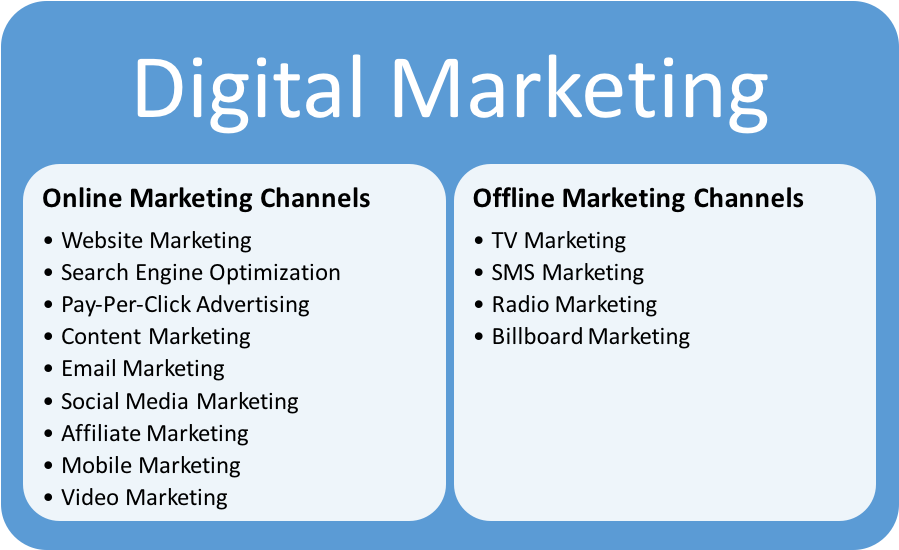
Here’s a quick look at some of the most common online marketing channels:
| Channel | Description |
|---|---|
| Content Marketing | Creating and sharing valuable free content—like blog posts, videos, and ebooks—to attract and engage an audience. |
| Social Media Marketing | Using platforms like Instagram, Facebook, and LinkedIn to build a brand, drive website traffic, and engage with followers. |
| Email Marketing | Sending targeted messages directly to a list of subscribers to nurture leads and promote products or services. |
| Affiliate Marketing | Partnering with others (affiliates) who promote your products in exchange for a commission on sales they generate. |
The key is not to be everywhere, but to be in the places that matter most to your specific audience. Each channel serves a different purpose, but they work best when they work together.
Now that you've got a handle on the basics, let's test your knowledge.
What is a key advantage of internet marketing compared to traditional marketing methods like TV ads or billboards?
What is the primary goal of Search Engine Optimization (SEO)?
Understanding these foundational concepts is the first step. From here, you can begin to explore each channel in more detail and learn how to build effective strategies.