International Relations for CSS Exam
Introduction to International Relations
What Is International Relations?
International relations is the study of how countries and other global players interact. It looks at everything from war and peace to trade and human rights. At its core, it's about understanding the relationships that shape our world.
International relations (IR) (occasionally referred to as international studies (IS), although the two terms are not perfectly synonymous) is the study of relationships between countries, including the roles of states, inter-governmental organizations (IGOs), international nongovernmental organizations (INGOs), non-governmental organizations (NGOs) and multinational corporations (MNCs).
Think of it as the big picture. While your local government handles things in your town, and the national government runs your country, international relations deals with how all these countries get along—or don't—on the global stage.
The World of Nation-States
The main players in international relations are nation-states. A "state" is a political unit with a defined territory and a government that has control over its own affairs. A "nation" is a group of people who share a common identity, like a language, culture, or history.
A nation-state is when these two things overlap: a state governing a specific nation. Countries like Japan or France are classic examples, where a single national identity is closely tied to the state's territory. This system is the foundation of modern global politics.
sovereignty
noun
The authority of a state to govern itself or another state.
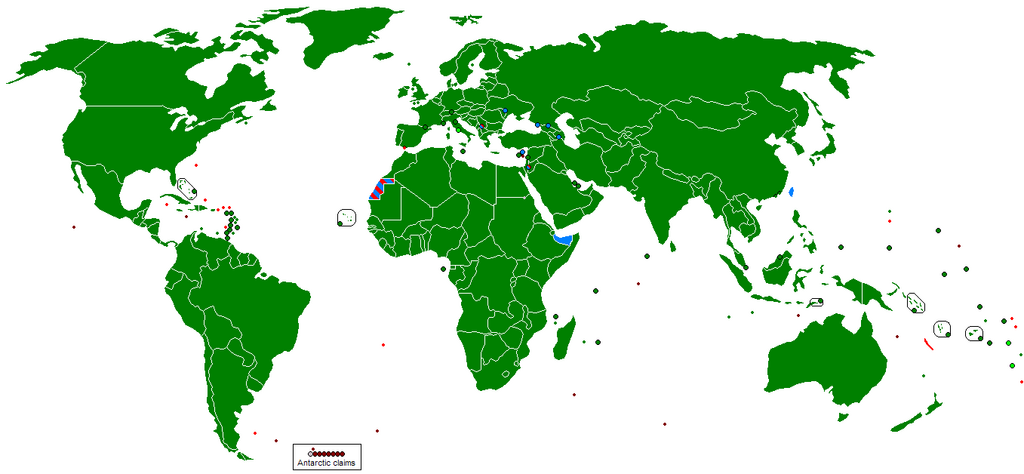
Sovereignty is the key idea here. It means that, in theory, no outside power has the right to interfere in a state's internal affairs. Each state is the ultimate authority within its own borders. This map shows the world's recognized sovereign states.
How Did We Get Here?
The world wasn't always carved up into neat nation-states. For centuries, power was held by empires, kingdoms, and city-states with overlapping authorities and fuzzy borders. Your loyalty might have been to a local lord, a distant emperor, and a religious leader, all at the same time.
A major turning point was the end of the Thirty Years' War in Europe. The Peace of Westphalia, a series of treaties signed in 1648, established the principle of state sovereignty. Rulers agreed not to meddle in the religious affairs of other states, laying the groundwork for the idea that each state is master of its own domain.
This system gradually spread from Europe across the globe through colonialism and decolonization, becoming the default way of organizing political life. While this created a more orderly world in some ways, it's important to remember that states aren't the only actors.
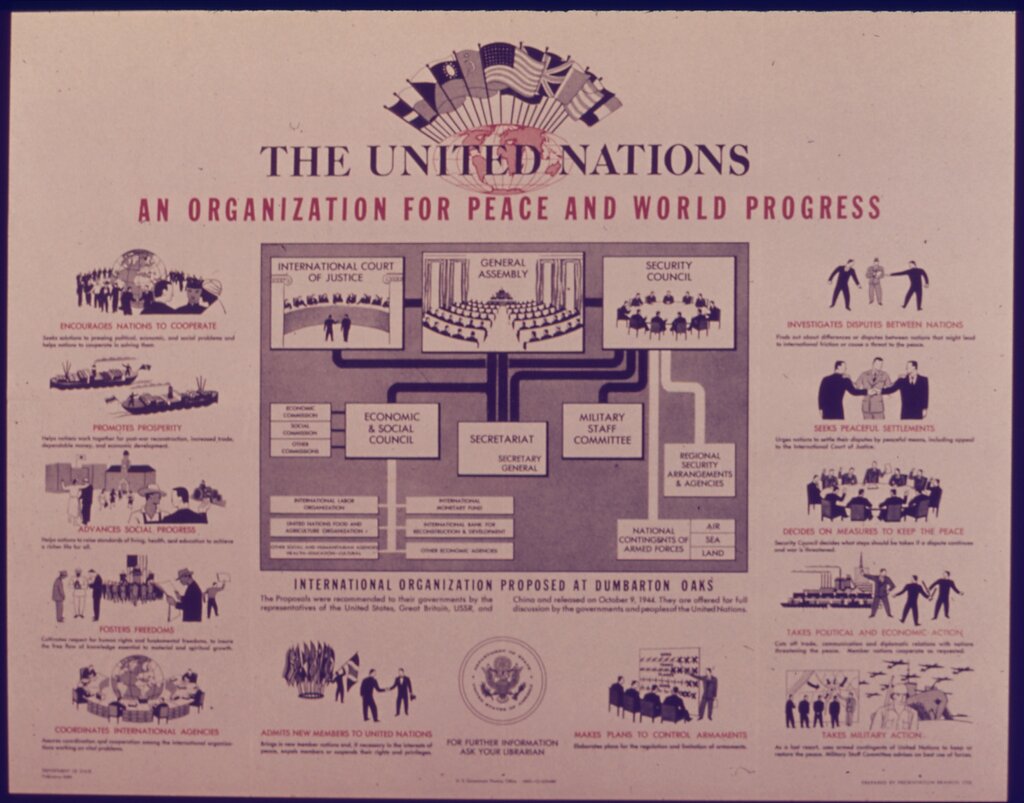
Organizations like the United Nations, multinational corporations like Apple, and non-governmental groups like Doctors Without Borders also wield significant influence, creating a complex web of relationships that goes beyond state-to-state interactions.
Now that you have a grasp of the basics, let's test your understanding.
What is the primary focus of the field of international relations?
Which term describes a political unit with a defined territory and a government that controls its own affairs?
Understanding these foundational concepts—what international relations is, the role of the nation-state, and how this system came to be—is the first step to making sense of global events.