International Health and Safety Certification
Introduction to Occupational Health and Safety
Safety, Health, and Well-being
Every job, whether in a bustling office or on a remote construction site, comes with its own set of challenges. Beyond the daily tasks, there's a fundamental need to ensure everyone returns home in the same condition they arrived. This is the core idea behind occupational health and safety.
Occupational Health and Safety (OHS) refers to the multidisciplinary field concerned with the health, safety, and welfare of people at work.
Think of OHS as the broad umbrella covering everything that keeps workers safe and healthy. It's not just about preventing slips, trips, and falls. The scope is much wider, encompassing everything from the air quality in a building to the psychological stress of a demanding role. It's about creating an environment where people can thrive, not just survive.
The Goals of OHS
The primary goal of any OHS program is simple: prevention. It's about proactively identifying and controlling potential dangers before they can cause an injury or illness. A safe workplace doesn't happen by accident. It's the result of careful planning and a commitment from everyone involved.
The goal of OHS is to create a safe and healthy working environment for all employees, ensuring their physical and mental well-being.
When OHS is done right, the benefits are clear. For employees, it means peace of mind, better health, and a greater sense of value. For employers, it leads to a more productive and engaged workforce, lower insurance costs, and a stronger reputation. It's a win-win situation that builds a positive company culture.
Spotting the Dangers
To prevent harm, you first have to know what you're looking for. In OHS, we talk about hazards and risks. A hazard is anything with the potential to cause harm, like a frayed electrical cord or a repetitive task. Risk is the chance that a hazard will actually cause harm, combined with how severe that harm might be.
A wet floor is a hazard. The risk is that someone might slip, fall, and break a bone.
Workplace hazards can be sorted into a few common categories, making them easier to identify and manage.
| Hazard Type | Description | Example |
|---|---|---|
| Safety | Conditions that can cause immediate injury. | Frayed wires, unguarded machinery, spills on the floor. |
| Physical | Environmental factors that can cause harm. | Extreme temperatures, loud noise, radiation. |
| Chemical | Solids, liquids, or gases that can be harmful. | Cleaning products, solvents, asbestos. |
| Biological | Living organisms that can cause adverse health effects. | Bacteria, viruses, mold. |
| Ergonomic | Physical factors that can cause musculoskeletal injuries. | Poor workstation setup, repetitive movements, heavy lifting. |
| Psychosocial | Factors that can affect mental and emotional well-being. | Excessive workload, workplace bullying, stress. |
The OHS Professional
Navigating these hazards and building a culture of safety requires expertise. This is where OHS professionals come in. They are the specialists dedicated to protecting workers. Their roles are diverse and can include everything from inspecting worksites and investigating incidents to developing safety policies and training employees.
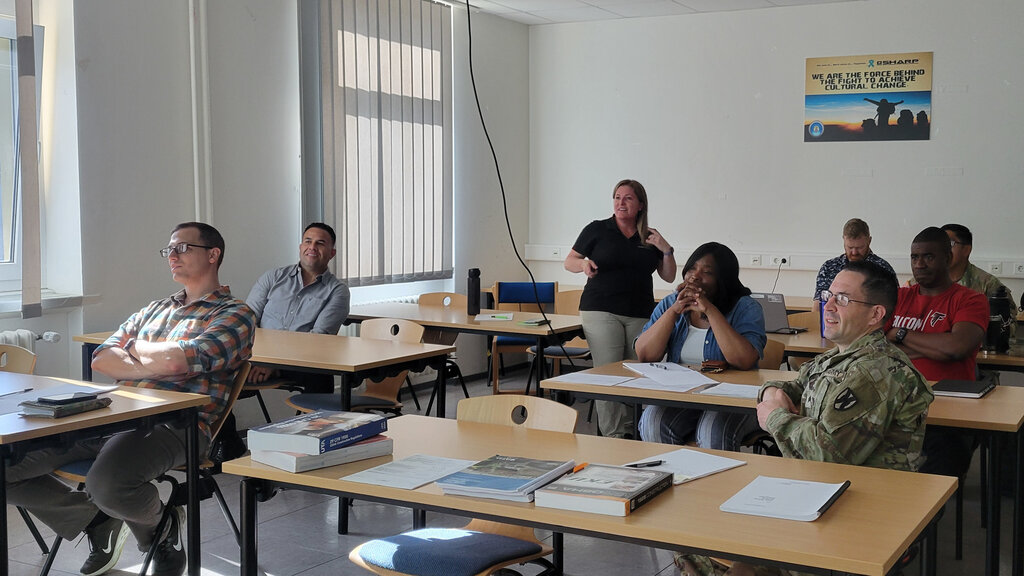
An OHS professional acts as a guide, an educator, and an advocate for safety. They analyze work environments to identify potential hazards, design strategies to mitigate risks, and ensure the organization complies with safety regulations. Ultimately, their work is about creating systems that make safety an integral part of how work gets done every day.
Let's check your understanding of these foundational concepts.
What is the primary goal of an occupational health and safety (OHS) program?
In OHS terminology, a frayed electrical cord is an example of a _______, while the chance of it causing a fire or electric shock is an example of ______.
Understanding these core ideas is the first step toward creating safer, healthier workplaces for everyone.