International Chamber of Commerce Trading Strategies
Introduction to ICC
The Global Rule-Maker
In the world of international business, there's an organization working behind the scenes to make sure everything runs smoothly. It's called the International Chamber of Commerce, or ICC. Its core mission is simple but ambitious: to make business work for everyone, every day, everywhere.
The ICC was founded in 1919, just after World War I. A group of European and American business leaders believed that stronger commercial ties between nations could prevent future conflicts. They called themselves the "merchants of peace." They envisioned a world where businesses could trade across borders with trust and clear, predictable rules. From its headquarters in Paris, the ICC has grown into a global body representing millions of companies in over 100 countries.
What the ICC Does
The ICC's work can be broken down into three main areas. It sets rules, resolves disputes, and advocates for policies that support international trade and investment. Think of it as a combination of a rule-book author, a referee, and a global spokesperson for business.
First, the ICC creates voluntary rules and standards that businesses all over the world use. For example, their Incoterms® rules are a globally recognized set of terms that clarify who is responsible for what in an international shipment. By providing a common language, these standards reduce misunderstandings and make trade more efficient.
ICC rules act like a universal adapter for global commerce, allowing different legal and business systems to connect seamlessly.
Second, the ICC provides dispute resolution services. When companies from different countries have a disagreement, taking it to a national court can be complicated and expensive. The ICC's International Court of Arbitration offers a neutral alternative. It's one of the most trusted institutions for resolving cross-border commercial disputes, helping businesses settle conflicts fairly and privately.
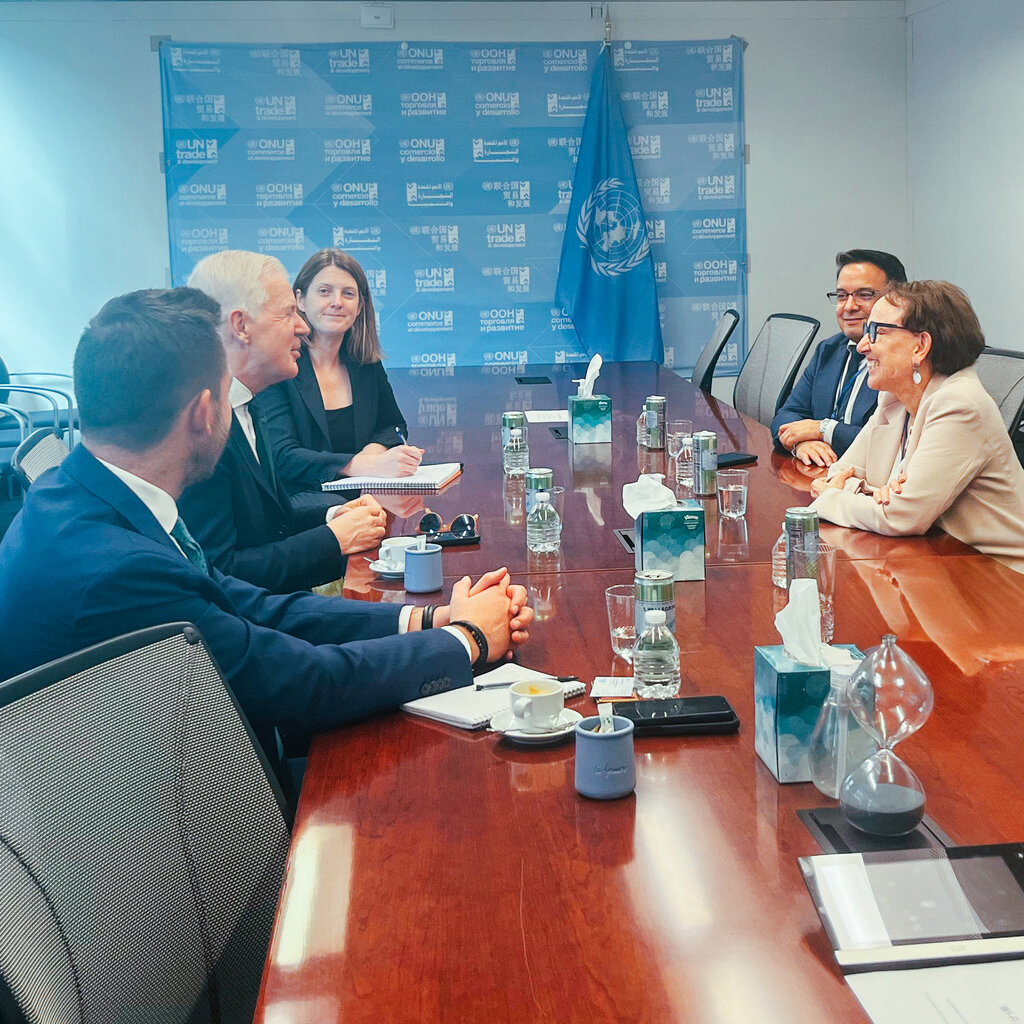
Finally, the ICC is a powerful advocate for the global business community. It speaks on behalf of companies of all sizes to governments and international organizations like the World Trade Organization (WTO) and the United Nations (UN). This ensures that the voice of business is heard when policies on trade, finance, and investment are being made.
Structure and Influence
The ICC isn't a government body; it's a representative organization. Its members are companies and business associations. This network is organized into national committees in countries around the world. These committees ensure that the ICC understands the specific challenges businesses face in different regions and can tailor its work accordingly. The supreme governing body is the World Council, where representatives from all national committees meet.
Through its unique blend of rule-setting, dispute resolution, and advocacy, the ICC plays a foundational role in the global economy. It builds the framework of trust and predictability that allows international trade to flourish, staying true to its founders' vision of fostering prosperity and peace through commerce.
Let's check your understanding of the ICC's role.
What was the primary motivation for the founding of the International Chamber of Commerce (ICC) in 1919?
Which of the following is a well-known set of rules created by the ICC to clarify responsibilities in international shipping?
Understanding the ICC's mission and functions provides the groundwork for exploring how global trade is shaped and managed.