Internal Feed Ingredient Training Program Development
Feed Ingredient Basics
The Building Blocks of Feed
Think of animal feed like a carefully planned meal. You wouldn't eat just one thing forever and expect to be healthy. Animals are no different. Each component in their feed is a specific ingredient with a job to do. Together, these ingredients create a balanced diet that fuels growth, supports health, and keeps animals productive.
Feed formulation is the method of producing a balanced diet for animals by selecting and mixing various feed components in appropriate amounts to meet the specific nutritional needs of the animal.
The goal is to combine different ingredients to provide all the necessary nutrients in the right proportions. Just like a chef balances flavors and food groups, a feed formulator balances nutritional components to create a complete and effective diet. Getting this balance right is fundamental to animal well being.
Core Ingredient Groups
While there are many specific ingredients, they generally fall into a few main categories. The two largest and most important are sources of energy and protein.
Energy feeds provide the fuel for daily activities, growth, and bodily functions. Protein feeds are the essential building materials for muscle, tissue, and enzymes.
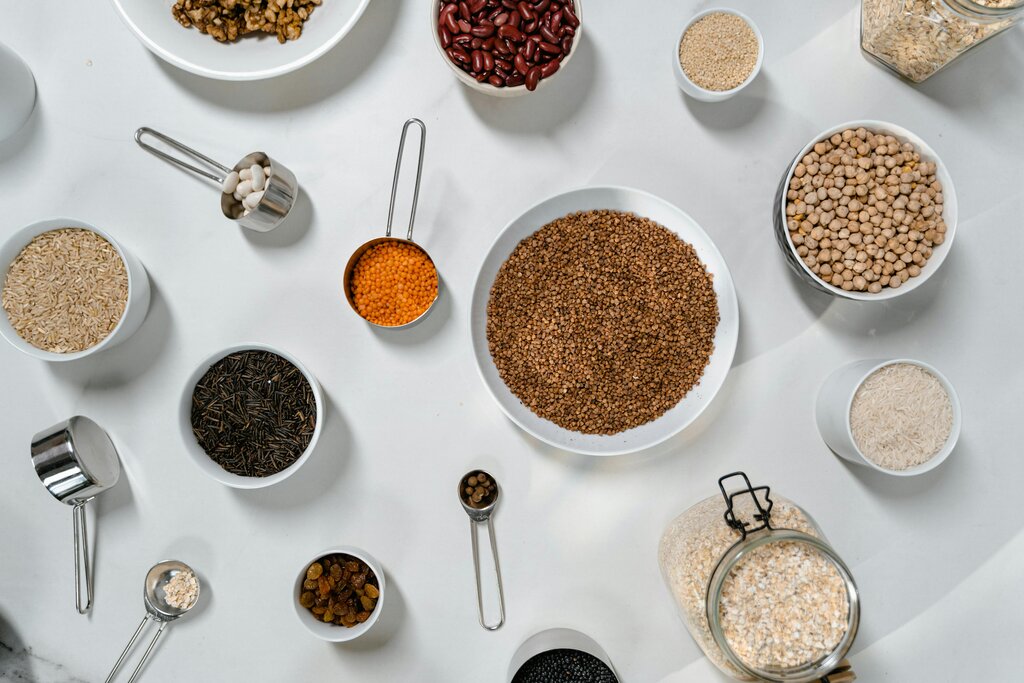
Grains like corn, wheat, and barley are the primary energy sources in most animal feeds. They are rich in carbohydrates, which are broken down to provide the power an animal needs to live and grow. Think of these as the main course of the meal.
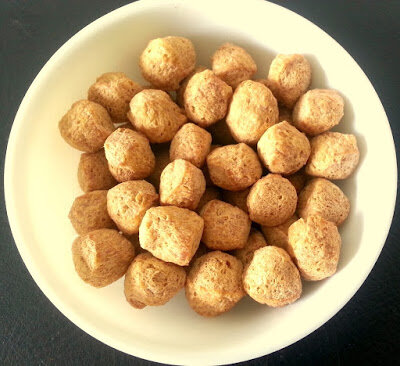
Protein sources are just as crucial. Ingredients like soybean meal, fish meal, and cottonseed meal provide the amino acids necessary for building and repairing tissues. Without enough quality protein, an animal cannot develop properly.
Beyond these two giants, we have the micronutrients: vitamins and minerals. These are needed in much smaller amounts but are absolutely vital. They act like the spark plugs in an engine, enabling countless biological processes to happen correctly. Deficiencies in vitamins like A, D, and E, or minerals like calcium and phosphorus, can lead to serious health issues.
| Category | Primary Role | Common Examples |
|---|---|---|
| Energy Feeds (Grains) | Provides fuel for daily functions | Corn, wheat, barley, sorghum |
| Protein Feeds | Builds and repairs tissue | Soybean meal, cottonseed meal, fish meal |
| Vitamins & Minerals | Supports biological processes | Vitamin A, Vitamin D, Calcium, Phosphorus |
Why Balance Matters
A balanced diet is one that meets all of an animal's nutritional needs without providing an excess of any single nutrient. An animal's requirements change based on its species, age, and stage of life. A young, growing animal needs more protein and energy than a mature one, for example.
Providing an unbalanced diet can be just as harmful as not providing enough food. Too much of one nutrient can interfere with the absorption of another, and an overall lack of balance can lead to poor growth, reduced immunity, and lower productivity. Every ingredient is chosen for a reason, and they all work together to support the animal's overall health.
What is the primary nutritional role of grains like corn and wheat in animal feed?
An animal's nutritional requirements remain the same throughout its entire life.
Understanding these fundamentals is the first step in appreciating the science behind animal nutrition and the importance of quality control in every batch of feed.