Internal Combustion Engine Fundamentals
Introduction to Internal Combustion Engines
What Is an Internal Combustion Engine?
An internal combustion engine, or ICE, is a machine that generates power by burning fuel inside of itself. This is different from older designs, like steam engines, which burn fuel externally to heat water.
Specifically, an internal-combustion engine is a heat engine in that it converts energy from the heat of burning gasoline into mechanical work, or torque.
The core job of an ICE is to convert the chemical energy locked away in fuel into mechanical energy, which is just a fancy way of saying movement. This movement can power anything from a car to a leaf blower.
A Tiny, Controlled Explosion
The magic behind an internal combustion engine is a simple but powerful process. It mixes a small amount of fuel with air, compresses it into a tiny space called a cylinder, and then ignites it with a spark. This creates a tiny, controlled explosion.
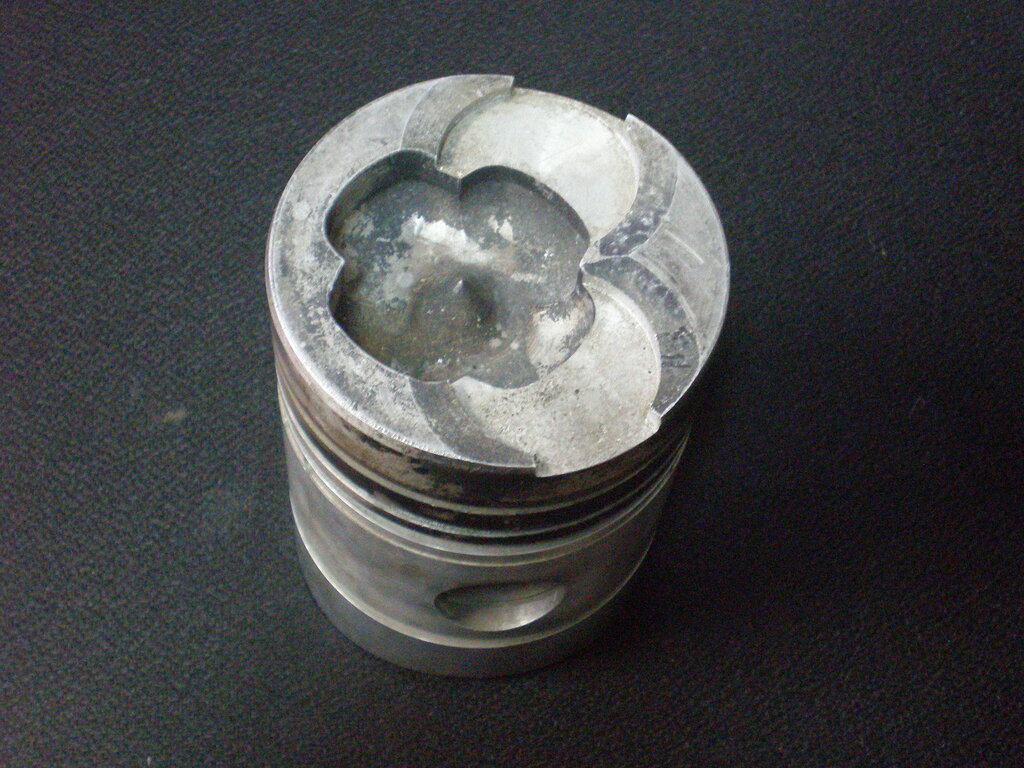
The rapid expansion of hot gas from this explosion pushes a component called a piston with incredible force. The engine is designed to harness this linear push, repeating it hundreds or thousands of times per minute. A series of connected parts then converts this back-and-forth motion into the spinning motion needed to turn wheels or blades.
This diagram shows the fundamental idea. You put fuel and air in, create a combustion event, and get useful force out. Everything else in the engine is built to support and repeat this simple process very, very quickly.
A Revolution in a Box
The invention of a reliable internal combustion engine in the late 19th century changed everything. By bringing the combustion process inside the engine, engineers created a power source that was far more compact, efficient, and powerful than the steam engines that dominated the era. This innovation is what made modern cars, airplanes, and portable machinery possible.
Today, there are many variations of the internal combustion engine, but two types are the most common.
| Engine Type | How it Ignites Fuel | Common Fuel |
|---|---|---|
| Gasoline Engine | Uses a spark plug to ignite the fuel-air mixture. | Gasoline |
| Diesel Engine | Uses high compression to heat the air until it's hot enough to ignite the fuel on its own, no spark plug needed. | Diesel |
Both designs operate on the same basic principle of turning tiny explosions into motion, but their method of ignition gives them different characteristics, making them suitable for different tasks. Gasoline engines are common in cars, while powerful diesel engines are often found in large trucks, trains, and ships.
What is the fundamental energy conversion that occurs inside an internal combustion engine?
The key difference between an internal combustion engine and an external combustion engine (like a steam engine) is where the fuel is burned.
Understanding this core concept is the first step. Next, we'll look at the specific parts that make these tiny explosions happen.