Internal Audits Explained
Introduction to Internal Auditing
What is an Internal Audit?
Think of a company as a complex machine. For it to run smoothly, all its parts need to work together correctly. An internal audit is like a regular diagnostic check-up for that machine, performed by a special team from inside the company.
Internal Auditing
noun
An independent, objective assurance and consulting activity designed to add value and improve an organization's operations.
The key words here are "independent" and "objective." Even though internal auditors work for the company, they operate separately from the departments they review. This distance allows them to give an unbiased assessment, much like a doctor can give you objective advice about your health because they aren't emotionally involved in your daily habits. Their job isn't to blame people but to identify issues and help fix them.
The Purpose of the Check-Up
So, what are auditors looking for during this check-up? Their primary goal is to evaluate and improve three key areas of the organization:
- Risk Management: This is about identifying potential problems before they happen. What could go wrong that might stop the company from reaching its goals?
- Control: These are the procedures and safeguards put in place to manage those risks. If a risk is like a potential fire, a control is the smoke detector or fire extinguisher.
- Governance: This refers to the overall system of rules, practices, and processes that direct and manage the company. It's the blueprint for how decisions are made and who is accountable.
I’ve witnessed firsthand the benefits that a mature internal audit can bring: enhanced governance, risk management, and control processes that position the organisation for success.
By examining these areas, internal auditors help the organization stay on track and operate effectively.
A Look Under the Hood
The role of an internal audit is not just to find faults. Auditors act as internal consultants who bring a systematic and disciplined approach to their work. They don't just poke around randomly; they follow a structured process to evaluate how things are running. This methodical approach ensures that their findings are reliable and their recommendations are practical.
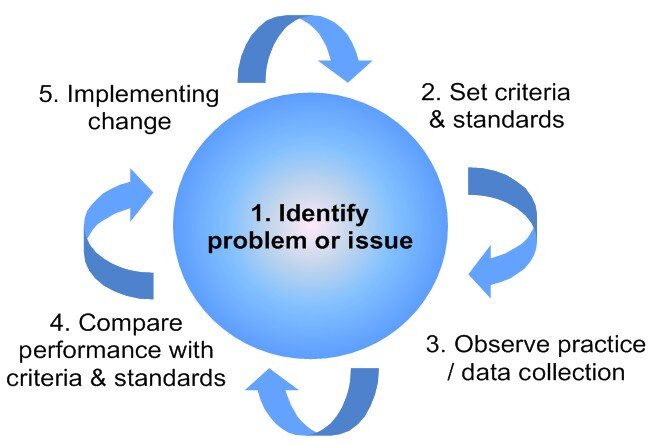
This cycle helps organizations achieve their objectives. Whether the goal is to increase profits, improve customer satisfaction, or comply with regulations, internal audits provide crucial feedback. They confirm what's working well and shine a light on what needs improvement. By providing this clear, objective view, they empower management to make better decisions and steer the company toward its goals more effectively.