Intermediate Yoga Theory and Practice
Sustained Pose Physiology
Beyond the Shape
You've learned the basic alignment of foundational poses like Tadasana (Mountain Pose) and Adho Mukha Svanasana (Downward-Facing Dog). You can get into the shape. But what happens when you stay there? The real transformation in yoga often begins when the initial effort of arranging your body gives way to the challenge of simply being still within the posture.
Holding a pose for an extended period—say, one to five minutes—shifts the experience from a simple stretch to a deep physiological and psychological event. It's the difference between doing a pose and truly inhabiting it. This sustained effort relies on a principle called to build strength, endurance, and a profound sense of inner calm.
The Body Under Stillness
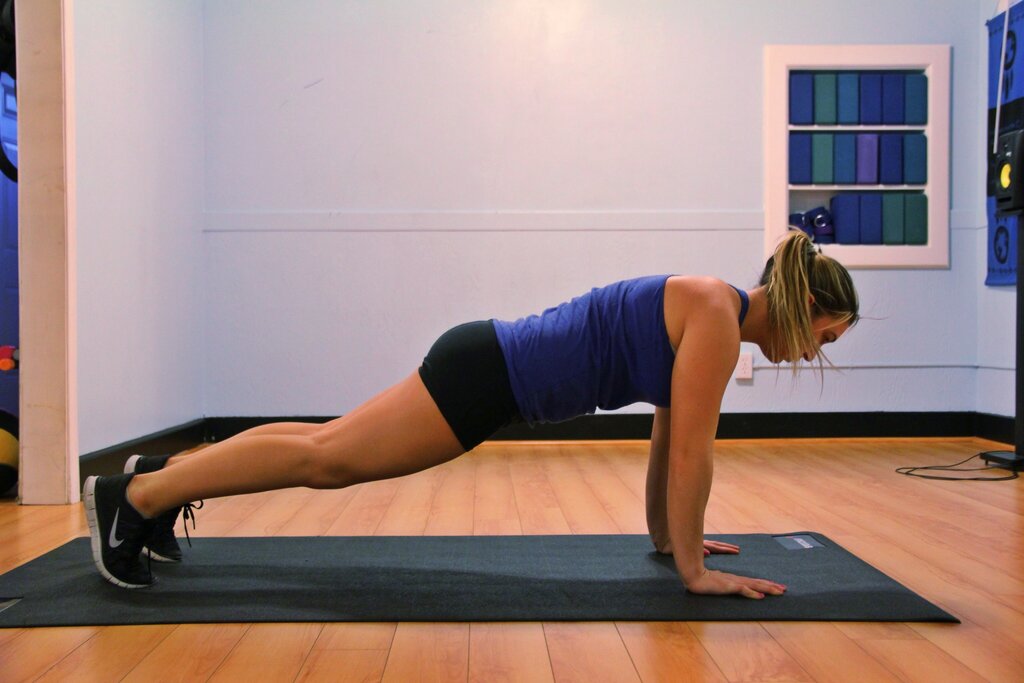
When you hold a yoga pose, your muscles are under constant tension without moving. This is isometric contraction. Initially, your body recruits just enough muscle fibres to hold the position. But as you continue to hold, some of these fibres fatigue. To maintain the pose, your nervous system must recruit new, fresh fibres.
This progressive recruitment is why a pose can feel manageable for the first 30 seconds and incredibly challenging by the two-minute mark. You are literally digging deeper into your muscular potential.
This sustained tension does more than build muscular endurance. It also places a healthy stress on your bones. In response, bone-forming cells called osteoblasts are stimulated, which can lead to increased bone density over time. It's a powerful way to strengthen your skeleton without high-impact movement. But the effects go deeper than muscle and bone; they reach your nervous system.
By holding a pose and focusing on slow, steady breathing, you send a powerful signal to your brain that you are safe. This activates the (PNS), the branch of your autonomic nervous system responsible for the "rest and digest" response. Your heart rate slows, your blood pressure drops, and your body shifts into a state of recovery and calm.
Yoga incorporates various postures (asanas) and breathing exercises (pranayama) that help activate the parasympathetic nervous system, inducing relaxation and reducing tension.
The Mental Marathon
Holding a pose is as much a mental exercise as a physical one. When physical discomfort arises, the mind's natural tendency is to distract itself or give up. The practice of staying put builds mental resilience. You learn to sit with discomfort, to observe the sensations without reacting, and to quiet the internal chatter that begs you to exit the pose.
This sustained awareness also dramatically enhances —your body's internal sense of its position, movement, and orientation in space. When you hold a pose, you move beyond the broad strokes of alignment and begin to notice the subtleties. Is your weight evenly distributed in your feet? Is one hip slightly higher than the other? Are you clenching your jaw?
This refined body awareness is invaluable. It helps prevent injuries, improves coordination, and deepens the mind-body connection. By bridging the gap between basic stretching and a meditative state, holding poses becomes a practice in itself—one that builds physical strength, cultivates mental endurance, and triggers a deep state of relaxation.
When you hold a yoga pose for an extended period, your muscles are under constant tension without changing length. What is this principle called?
According to the text, how does holding a yoga pose for a long time strengthen your bones?