Intermediate Yoga Practice and Principles
Alignment and Transitions
The Blueprint for Every Pose
You already know Tadasana, or Mountain Pose. But think of it less as a pose and more as the master blueprint for your entire practice. The principles you refine here—a long spine, a neutral pelvis, and grounded feet—are the foundation for everything that follows, from a simple lunge to a complex arm balance. It teaches your body a language of stability that it will use in every other asana.
In , you're not just standing. You're actively creating length. Imagine a line of energy pulling the crown of your head upward, while your feet press firmly into the ground. Your pelvis isn't tilted forward or tucked under; it finds a neutral position. This creates a natural, gentle curve in your lower back. This spinal elongation and pelvic alignment are what protect your back and allow for deeper, safer movement in all other standing poses.
Stack Your Joints for Strength
Imagine building a tower with blocks. If the blocks are perfectly aligned, the tower is strong. If they're offset, it's unstable and likely to fall. Your body works the same way. The principle of 'joint stacking' means aligning your joints vertically to distribute weight safely and efficiently. This is crucial in weight-bearing poses to prevent strain and injury.
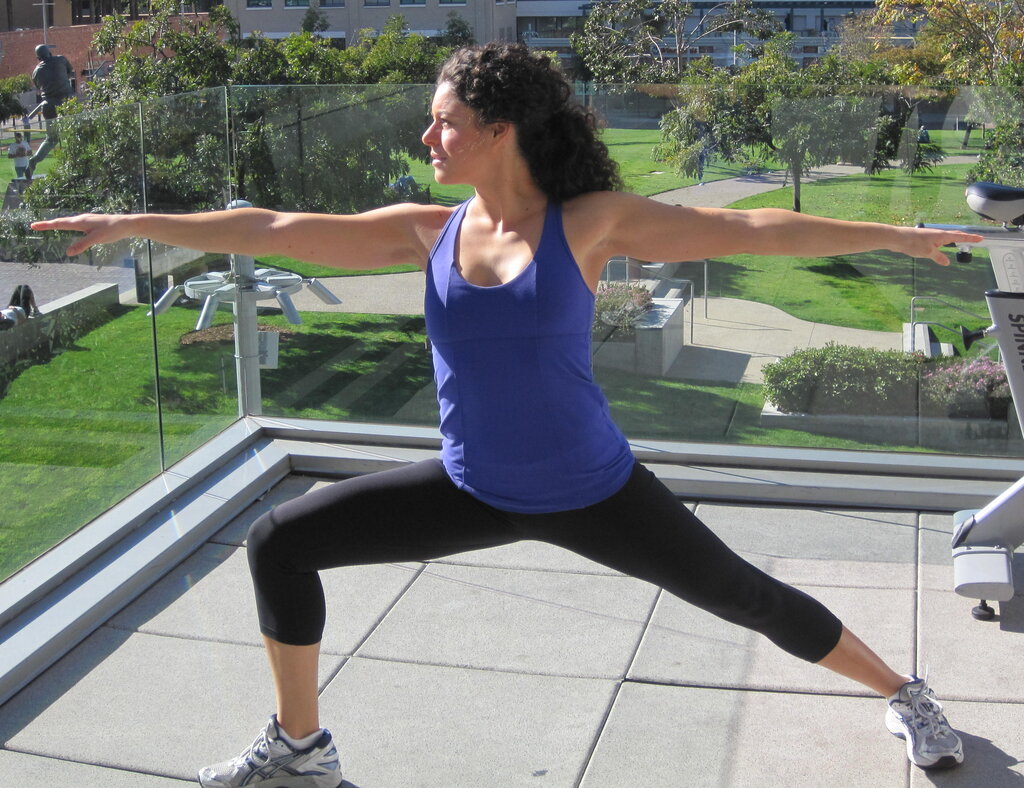
In standing poses like Warrior II (Virabhadrasana II), this means stacking your bent front knee directly over your ankle. Allowing the knee to collapse inward or drift past the ankle puts immense pressure on the joint. By keeping the alignment, you ensure that your leg muscles are doing the work, not your ligaments. Similarly, in poses like Extended Side Angle (Utthita Parsvakonasana), elongating the spine and stacking the top shoulder over the bottom one creates space and stability, rather than collapsing into the pose.
Power Up With Your Core Locks
Moving beyond just muscular strength, we find stability from within using or 'body locks'. These are subtle engagements of specific muscle groups that help control and direct the flow of energy in the body. For a dynamic practice, two are key: Mula Bandha and Uddiyana Bandha.
Mula Bandha is the 'root lock'. It's a gentle lifting of the pelvic floor muscles. Think of the feeling of stopping the flow of urination, but much softer. This engagement creates a stable base for your spine.
Uddiyana Bandha is the 'upward flying lock'. It involves drawing the lower abdomen in and up, just below the navel. This isn't just 'sucking in your stomach'; it's a specific engagement that supports your lower back and makes you feel lighter.
Engaging your bandhas is like switching on an internal power source. They provide the stability that makes challenging poses feel lighter and more accessible.
From Pose to Flow
A mature yoga practice is not just about holding static poses, but about the fluid, mindful movement between them. The transition from Chaturanga Dandasana (Four-Limbed Staff Pose) to Urdhva Mukha Svanasana (Upward-Facing Dog) is a perfect example of dynamic alignment in action.
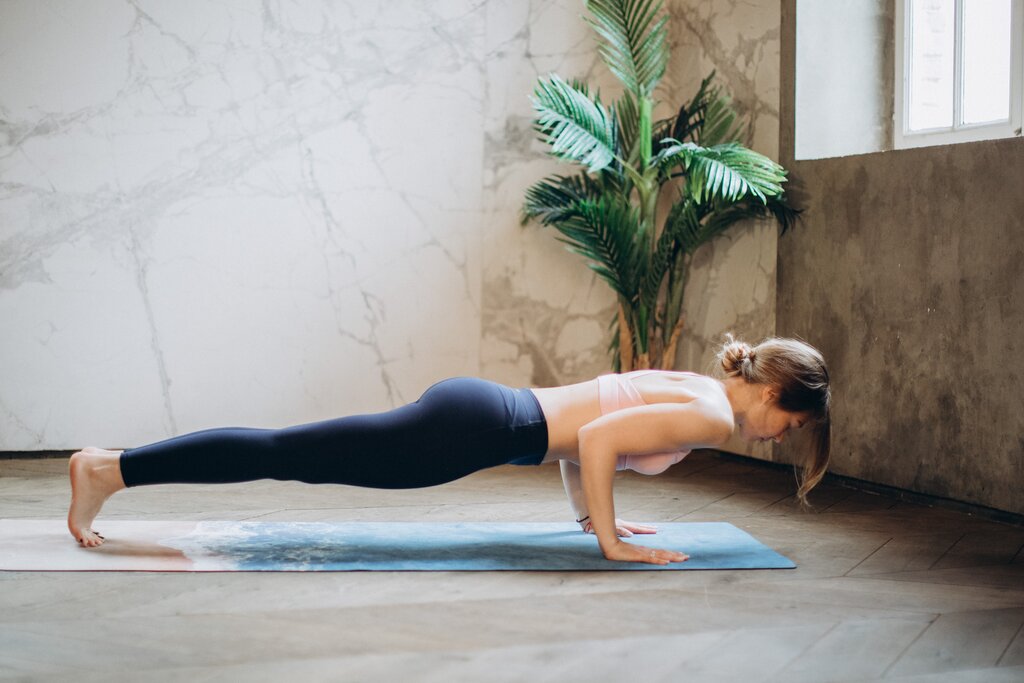
From Chaturanga, you don't just push up. You press through your hands, roll over your toes, and pull your chest forward and through your arms. Your bandhas are fully engaged here, creating the lightness to 'fly' upward. In Upward-Facing Dog, your shoulders are rolled back, your chest is open, and only your hands and the tops of your feet are on the floor. Your thighs and knees are lifted, powered by your engaged legs and core. This is not a passive backbend; it's an active, full-body expression of strength.
Thinking about these transitions as poses in their own right, rather than just ways to get from A to B, will transform your practice. It builds heat, strength, and a seamless quality of movement. By integrating joint stacking and bandha engagement, your flow becomes safer, stronger, and more graceful.
According to the text, what is the primary role of Tadasana (Mountain Pose) in a yoga practice?
In a pose like Warrior II (Virabhadrasana II), what does the principle of 'joint stacking' primarily refer to?