Intermediate Wine Fundamentals
Systematic Evaluation
Beyond 'Good' or 'Bad'
You already know how to tell if you enjoy a wine. But to truly understand it, you need to move from simple preference to structured analysis. This means breaking a wine down into its core components to see how they fit together. It's the difference between hearing a song and reading the sheet music.
The framework professionals use for this is the (SAT). It’s a methodical process that trains your senses to observe, identify, and evaluate wine consistently. Instead of just saying a wine is 'good', you'll be able to explain why it's good based on its specific characteristics.
The SAT (Systematic Approach to Tasting) is the core method used to standardize wine and spirits tasting and structure your sensory analysis.
Judge a Wine by Its Colour
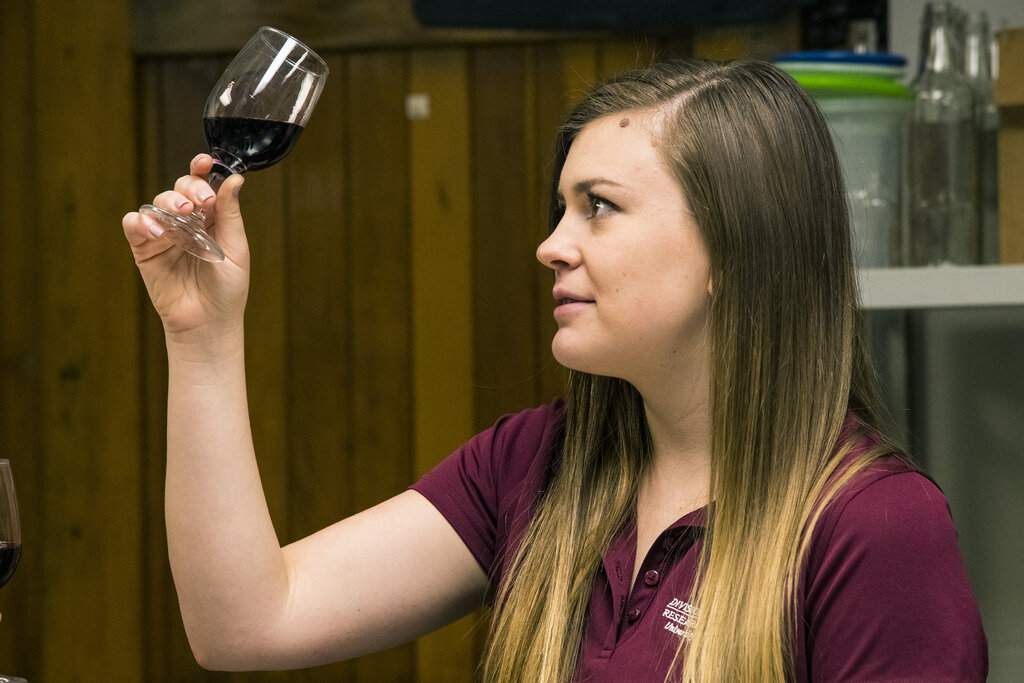
Your analysis begins before the wine even touches your lips. A wine’s appearance reveals clues about its age, grape variety, and concentration. Tilt your glass against a white background and look at two things: intensity and hue.
Intensity refers to how pale or deep the colour is. A pale red might suggest a thin-skinned grape like Pinot Noir, while a deep, opaque red could be a Syrah or Cabernet Sauvignon. For white wines, very pale intensity can indicate a cool climate or early harvest.
Hue, or the shade of the colour, is a powerful indicator of age. Young white wines are often pale lemon-green, evolving to gold and then amber as they age. Young red wines start as purple or ruby, shifting towards garnet and eventually a tawny brown over time. The browning is a sign of oxidation, a natural part of the ageing process.
The Story in the Scent
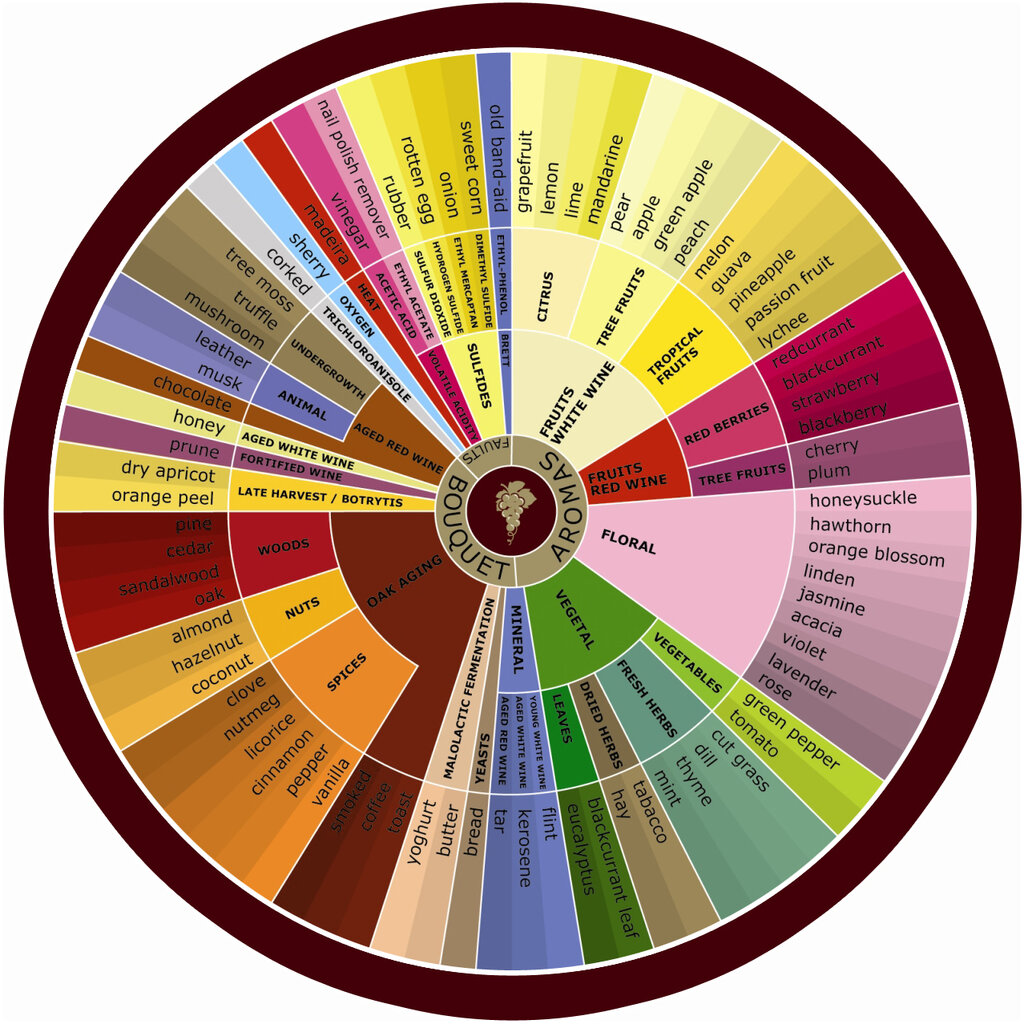
After looking, you smell. A wine's aroma profile, or 'nose', is usually its most complex feature. Aromas are grouped into three categories that tell the story of the wine from vineyard to bottle.
Primary aromas come from the grape itself and the environment where it grew (the terroir). These are your fruit, floral, and herbal notes. Think fresh raspberry in a Pinot Noir, grapefruit in a Sauvignon Blanc, or violet in a Malbec.
Secondary aromas are derived from the winemaking process. The most common source is oak ageing, which can add notes of vanilla, clove, smoke, or cedar. Another key source is malolactic conversion, which imparts creamy or buttery scents like those found in many Chardonnays.
Tertiary aromas develop in the bottle over time. These are the scents of evolution and maturity. In red wines, fresh fruit notes can evolve into dried fig, prune, or forest floor. In whites, you might find notes of honey, nuts, or mushroom. A wine with well-developed tertiary aromas is considered complex and mature.
Deconstructing the Palate
Now, you finally taste. When the wine is on your palate, your goal is to assess its structure. This means focusing on the key components beyond flavour: acidity, tannins, alcohol, and body.
Acidity makes your mouth water. A wine with high acidity feels zesty and refreshing, like biting into a crisp apple. Low acidity makes a wine feel softer, rounder, or sometimes flat.
Tannins are phenolic compounds found in grape skins, seeds, and stems, as well as in oak barrels. They create a drying, astringent sensation in your mouth, similar to drinking strong black tea. Tannins are most prominent in red wines and contribute to their structure and ability to age.
Alcohol provides a sense of weight and can contribute to a warming sensation at the back of your throat. It's described in terms of level: low, medium, or high.
Body is the overall impression of weight and texture in your mouth. Is it light and delicate like skimmed milk, or full and rich like whole cream? This is determined by a combination of alcohol, sugar, tannins, and flavour intensity.
Once you've isolated these structural parts, you can draw a conclusion about the wine's quality. A useful framework for this is the acronym —Balance, Length, Intensity, and Complexity.
- Balance: Do all the components (acid, tannin, alcohol, fruit) work together harmoniously, or does one element stick out?
- Length: How long do the desirable flavours linger on your palate after you've swallowed or spat? This is also called the 'finish'. A long finish is a strong sign of quality.
- Intensity: How powerful are the aromas and flavours? They can be pronounced and easy to detect, or subtle and delicate.
- Complexity: How many different aromas and flavours can you identify? A simple wine might have one or two fruit notes, while a complex one reveals layers of primary, secondary, and tertiary characteristics.
The key is practice. Tasting wines side-by-side, such as two Chardonnays from different climates, is a fantastic way to calibrate your palate and learn to spot these differences in structure and quality.
What is the primary purpose of the Systematic Approach to Tasting (SAT)?
A wine that creates a drying, astringent sensation in your mouth, similar to strong black tea, is said to be high in ______.
By moving through a wine systematically—from sight to smell to taste—you build a complete picture. This analytical approach sharpens your palate, deepens your appreciation, and gives you the confidence to talk about wine like a professional.