Intermediate Strength and Conditioning
Optimizing Compound Movements
Beyond the Basics
You already know how to squat, bench, deadlift, and press. You've put in the time, moving weight and building a solid foundation. Now, it's time to refine those movements. The difference between a good lift and a great one often lies in the small details of biomechanics. It's about turning brute force into efficient, powerful expression by understanding leverage, stability, and force transfer. This is where you transition from just lifting weights to mastering them.
Apply physics principles to maximize workout efficiency, prevent injuries, and optimize performance using leverage and momentum.
Think of your body as a system of levers. Small changes in your setup can dramatically alter how force is applied and how much weight you can move safely. We'll break down how to manipulate these levers in the big four lifts to unlock your strength potential.
The Squat: Torque and Tension
A powerful squat starts from the ground up. Your foot placement does more than just provide a base; it dictates how your hips and knees can generate force. A common cue is to "screw your feet into the floor." This isn't just a mental trick. By actively trying to rotate your feet outwards without them actually moving, you create external rotation at the hips. This engages your glutes and creates rotational force, or , which provides stability throughout the entire movement.
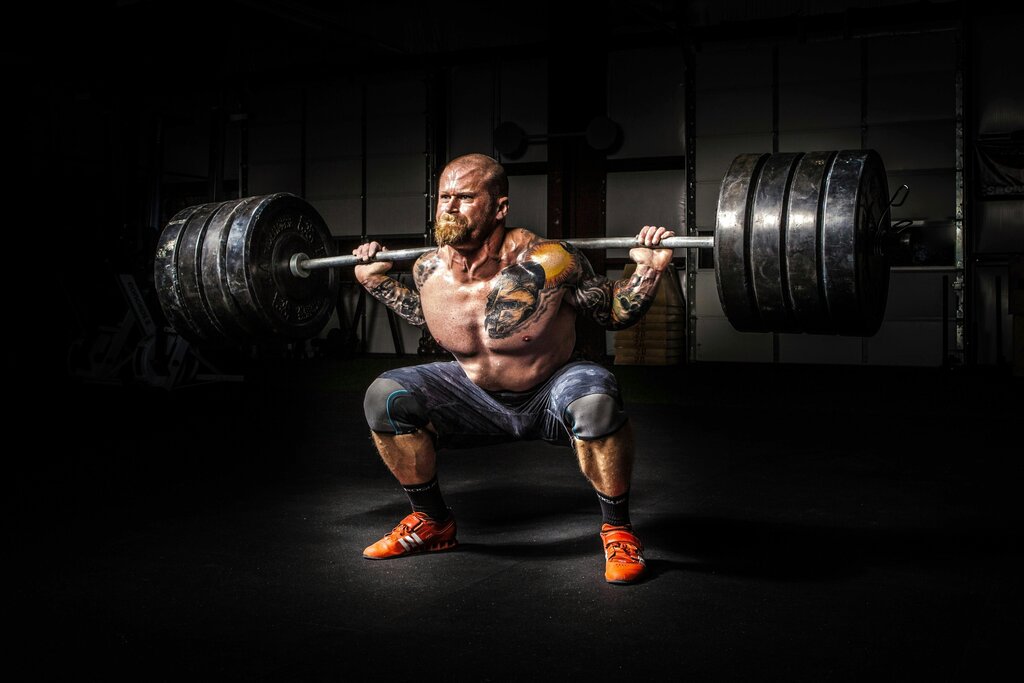
The same principle applies to your core. Before you descend, take a deep breath into your belly, not your chest. Then, brace your abdominal muscles as if you're about to be punched. This action dramatically increases intra-abdominal pressure (IAP), turning your torso into a rigid, unyielding cylinder. This solid core protects your spine and ensures that the force generated by your legs is transferred directly to the barbell, without any energy leaks. A weak brace is often why a squat fails halfway up.
The Bench Press: A Full-Body Lift
Many lifters treat the bench press as just a chest and arm exercise, but elite lifters know it involves the entire body. The foundation of a strong bench press is a stable upper back. Before you even unrack the weight, retract your shoulder blades—pinch them together and pull them down towards your pockets. This creates a solid platform for you to press from and protects your shoulder joints.
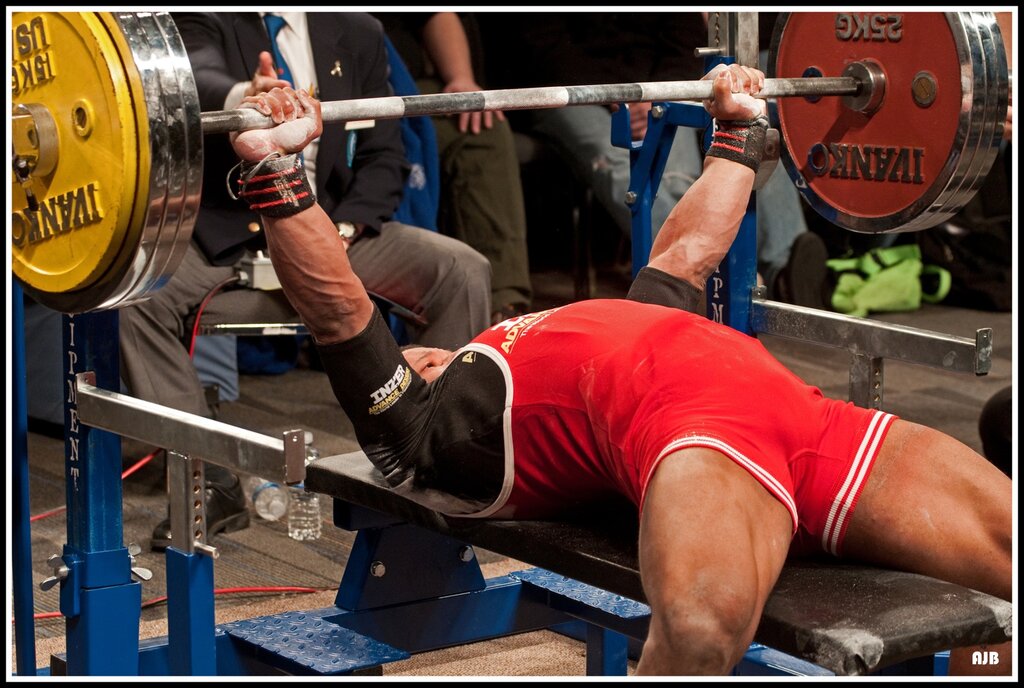
Your latissimus dorsi, or lats, the large muscles of your back, are crucial for controlling the barbell's path. As you lower the weight, think about 'rowing' the bar to your chest. This engages your lats, keeping the bar on a consistent path and storing elastic energy for a more powerful press. Combined with leg drive—actively pushing your feet into the floor and driving your traps into the bench—you transform the lift from a simple push into a full-body effort where every muscle is contributing.
The Deadlift: The Art of the Wedge
The deadlift is the ultimate test of raw strength, but technique still reigns supreme. One of the most important concepts for an efficient deadlift is 'wedging'. This is the act of using your body as a lever to create tension before the bar even leaves the floor. After you set your grip, pull your hips down and drive your chest up. Simultaneously, engage your lats to 'pull the slack out of the bar'. You should hear a 'click' as the bar makes contact with the top of the plate holes.

By doing this, you're effectively wedging your body between the floor and the barbell. Your hips are loaded, your back is set, and your entire body is a tight, coiled spring ready to uncoil. Lifting from this pre-tensioned state is far stronger and safer than simply yanking the bar off the ground. The lift begins with pushing the floor away, not pulling the bar up.
A common technical breakdown in the deadlift is the hips shooting up first. This happens when the lifter fails to create proper tension before the pull, turning the lift into a lower back strain instead of a coordinated push with the legs.
The same principle of creating a stable base applies to the Overhead Press. A tight core, engaged glutes, and a solid shelf across the shoulders created by retracting the scapula are essential. Your body should be a rigid pillar from the floor to your hands, ensuring all force is directed vertically into the bar.
What is the primary purpose of the cue "screw your feet into the floor" during a squat setup?
In the context of the deadlift, what does 'wedging' refer to?
Mastering these refinements takes practice. Film your lifts, focus on one cue at a time, and be patient. The goal is not just to lift more weight, but to lift it better. That is the path to long-term strength and resilience.