Intermediate Residential Plumbing Systems
Pressure Regulation Mechanics
Taming the Flow
Municipal water systems deliver water at high pressures to serve fire hydrants and tall buildings. While great for emergencies, this pressure, often exceeding 100 PSI, is too much for a typical home. It can damage pipes, fittings, and appliances over time. The sweet spot for residential water pressure is between 45 and 60 PSI. To achieve this, plumbers install a Pressure Reducing Valve, or PRV, on the main water line.
Inside the Pressure Reducer
A diaphragm-type Pressure Reducing Valve is a clever, self-regulating device that operates without any electricity. Inside its brass body, a large, factory-calibrated spring pushes down on a flexible rubber diaphragm. On the other side of this diaphragm, water from the municipal supply pushes up. The valve works by balancing these two forces.
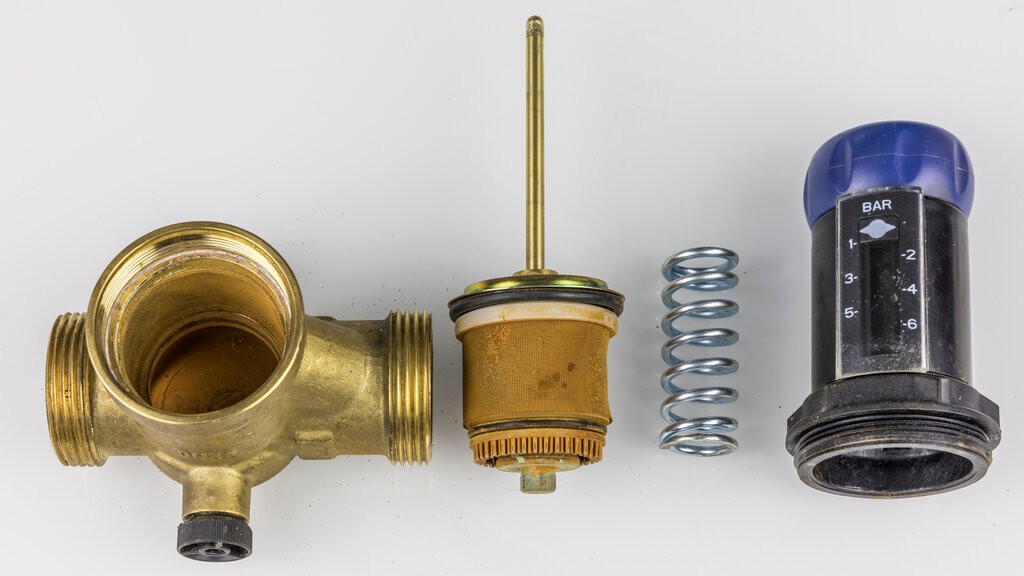
When you open a faucet, the downstream water pressure drops slightly. This allows the main spring to push the diaphragm down, opening the valve and letting more water flow through. As the water fills the pipes, downstream pressure builds back up, pushing against the diaphragm and compressing the spring until the valve closes again. This constant balancing act maintains a steady, lower pressure on the house side, regardless of fluctuations from the city's supply.
Reading the Signs
To diagnose pressure issues, you need a simple water pressure gauge that screws onto a hose bib. There are two key measurements to take. Dynamic pressure is the reading while water is flowing somewhere in the house. Static pressure is the reading when all fixtures are closed. A healthy PRV should keep static pressure at your set level, typically around 55 PSI.
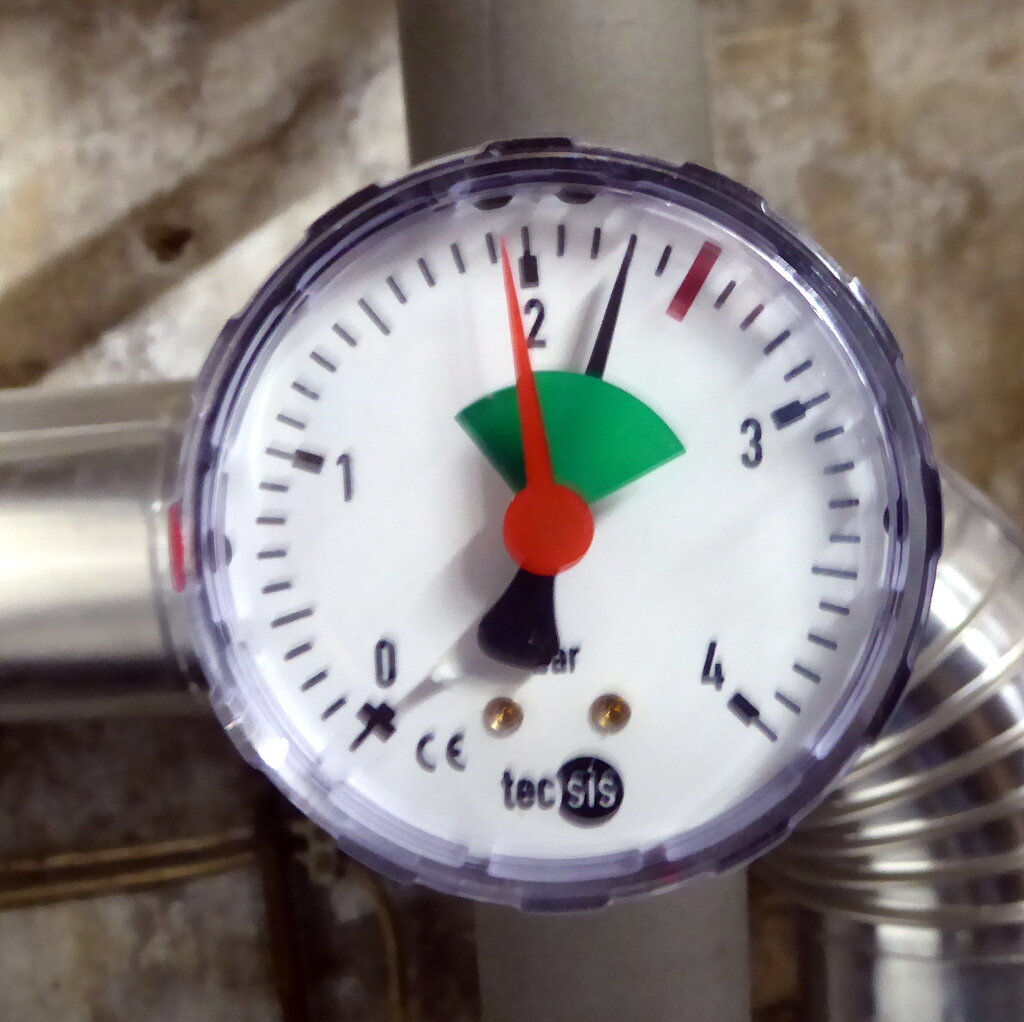
The most common sign of a failing PRV is . You'll set the gauge, and with all water off, watch the needle slowly climb over several minutes or hours. This indicates that the valve's seat or diaphragm is worn and no longer creating a perfect seal, allowing high-pressure water to leak past the valve and build up in your home's pipes. Erratic fluctuations are another symptom, where pressure jumps or drops unpredictably, often pointing to a failing spring or a sticky diaphragm.
A static pressure test is your best tool for diagnosing a failing PRV. If the pressure rises significantly above your target when all fixtures are off, it's time for a repair or replacement.
Calibration and Consequences
Most PRVs have an adjustment screw or hex nut on top. To adjust the pressure, you loosen the locknut and turn the adjustment screw. Turning it clockwise increases the downstream pressure by compressing the spring, while turning it counter-clockwise decreases pressure. Always make small adjustments, run a faucet briefly to stabilize the system, and then re-check the static pressure. It's a process of small, iterative changes.
Ignoring high pressure is a costly mistake. Sustained pressure above 80 PSI puts constant strain on every component in your plumbing system. It can cause pipe joints, especially modern crimp or expansion fittings and soldered copper joints, to fail prematurely. It also dramatically shortens the lifespan of appliance solenoid valves, the delicate components inside your washing machine, dishwasher, and ice maker. A cheap pressure gauge and a properly functioning PRV are your best insurance against expensive, water-related repairs.
What is the primary purpose of a Pressure Reducing Valve (PRV) in a residential plumbing system?
The ideal 'sweet spot' for residential water pressure is between ___ and ___ PSI.
Keeping your home's water pressure in check protects your plumbing and your wallet. It's a small piece of equipment that does a big job.