Intermediate Painting Techniques and Application
Advanced Color Mixing
The Secret to Luminous Color
You already know how to mix red and yellow to get orange. But professional painting isn't about creating pure hues. It’s about creating the illusion of light, shadow, and atmosphere. The key to this is moving beyond simple color mixing and embracing complexity. Relying on black paint to create shadows or white to create highlights can make your work look flat and lifeless. True depth comes from understanding how colors interact in more subtle ways.
Instead of thinking in terms of just light and dark, we're going to explore color temperature, chromatic grays, and the physical properties of your paints. These advanced strategies will help you create colors that feel authentic and vibrant, whether you're painting a portrait, a landscape, or a still life.
Mixing Rich Neutrals
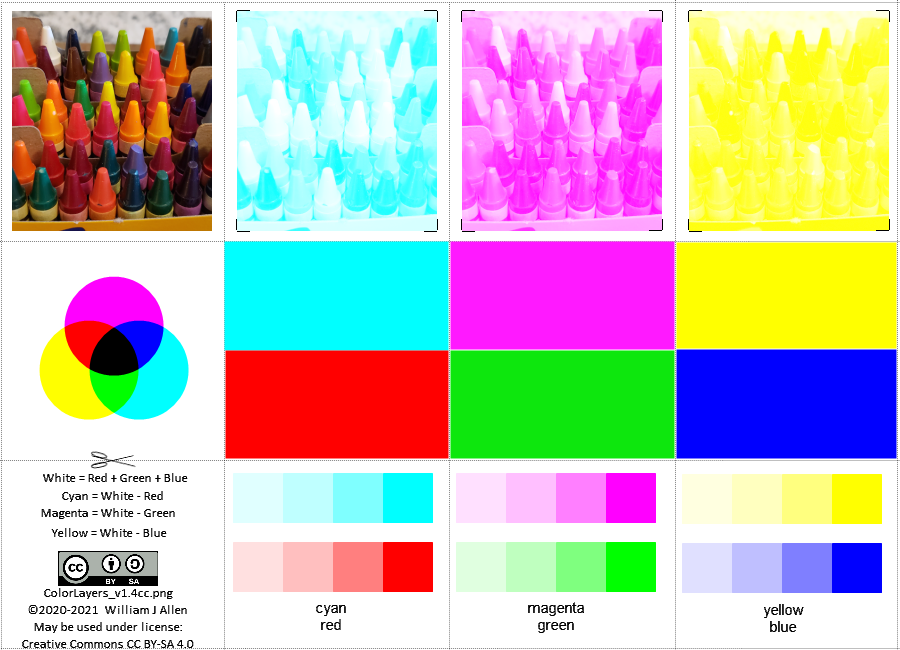
Nature is rarely pure black or gray. The shadows on a white wall, the color of a stone, or the bark of a tree are all complex neutrals. To replicate them, we create —grays mixed from colors, not from a tube of black. The most effective way to do this is by mixing complementary colors. Because they sit opposite each other on the color wheel, they effectively cancel each other out, resulting in a rich, nuanced neutral.
For example, mixing a cadmium red with a phthalo green will produce a beautiful range of grays and deep browns. By adjusting the ratio, you can control whether the resulting neutral leans warmer (more red) or cooler (more green). This gives you precise control over the mood and temperature of your shadows and mid-tones.
Temperature Is Everything
Shadows aren't just darker; they're almost always cooler in temperature. Conversely, areas hit by light are typically warmer. This principle of is fundamental to creating convincing three-dimensional form. Instead of adding black to a yellow to make a shadow, try adding a touch of its complement, purple, or a cool adjacent color like green. The resulting color will feel like a natural shadow, not a patch of mud.
Think of painting a sunlit orange. The part directly in the light might be a warm, almost yellowish-orange. As the form turns away from the light, the color doesn't just get darker, it cools down. The shadow side might be a burnt orange mixed with a hint of ultramarine blue. This temperature shift from warm to cool is what makes the orange look round and solid.
To create realistic form, think cool shadows and warm highlights. This simple rule will add more dimension to your work than any shading trick.
Painting in Layers
The most luminous and complex colors are often built in layers. A powerful technique for this is with a complementary color. This means applying a thin, often transparent, layer of color that will be mostly covered by subsequent layers. For example, to paint a vibrant blue sky, you could start with a very thin wash of a light orange or pinkish-brown. When you paint the blue over it, tiny bits of that warm underlayer will optically mix with the blue, creating a subtle vibration and depth that a single layer of blue could never achieve.
This also relates to the physical properties of your pigments. Paints are either transparent, semi-transparent, or opaque. Opaque paints, like cadmium yellow, will completely cover what's underneath. Transparent paints, like quinacridone magenta, will allow the underlayers to show through. Understanding the transparency of your paints is crucial for layering. You can find this information on the paint tube label. Using a transparent color over an underpainting allows for beautiful, glowing effects.
To maintain harmony in your painting, try working with a limited palette. Instead of using twenty different colors, choose a warm and cool version of each primary (e.g., cadmium yellow and lemon yellow, ultramarine blue and phthalo blue), plus white. This forces you to become a better mixer and ensures that all the colors in your painting are related, creating a more cohesive and professional look.
According to advanced color theory, what is the most effective way to create a rich, nuanced neutral color, also known as a "chromatic gray"?
When painting a sunlit yellow lemon, how should you approach painting the shadow side to create a convincing, three-dimensional form?
Advanced color mixing isn't about memorizing formulas. It's about developing your eye and understanding the relationships between colors. By focusing on neutrals, temperature, and layering, you'll be able to mix colors that bring your paintings to life.