Intermediate Oboe Technique and Artistry
Embouchure Refinement
Beyond a Basic Lip Position
You can make a sound on the oboe. You know the fingerings and can get through a few tunes. But does your tone feel thin? Does your pitch waver, especially in the high or low registers? Do your lips get tired after just a few minutes of playing? If so, it's time to refine your embouchure. A great embouchure isn't about jaw strength; it's about creating the perfect environment for the reed to sing.
Many self-taught players develop a habit of biting the reed. It feels like a quick way to get control, but it chokes the reed's vibrations, leading to a sharp, pinched sound. A professional approach uses a double-lip embouchure, which creates a soft, fleshy cushion all around the reed. This allows the reed to vibrate freely, producing a warm, resonant, and flexible tone. The goal is to support the reed with your facial muscles, not clamp down on it with your jaw.
The 'O' Shape and a Resonant Chamber
The foundation of a strong embouchure is the 'O' shape. Think of it as the shape your mouth makes when you whistle or say the vowel "oo." This position engages the correct facial muscles while keeping your jaw relaxed and open.
Here’s how to form it:
- Drop your jaw as if you're yawning.
- Gently roll both your upper and lower lips over your teeth. Don't stretch them thin; they should feel like soft pillows.
- Keep the corners of your mouth firm and drawn slightly inward, as if you're trying to hold a string in place with your lips. These are your labial muscles at work.
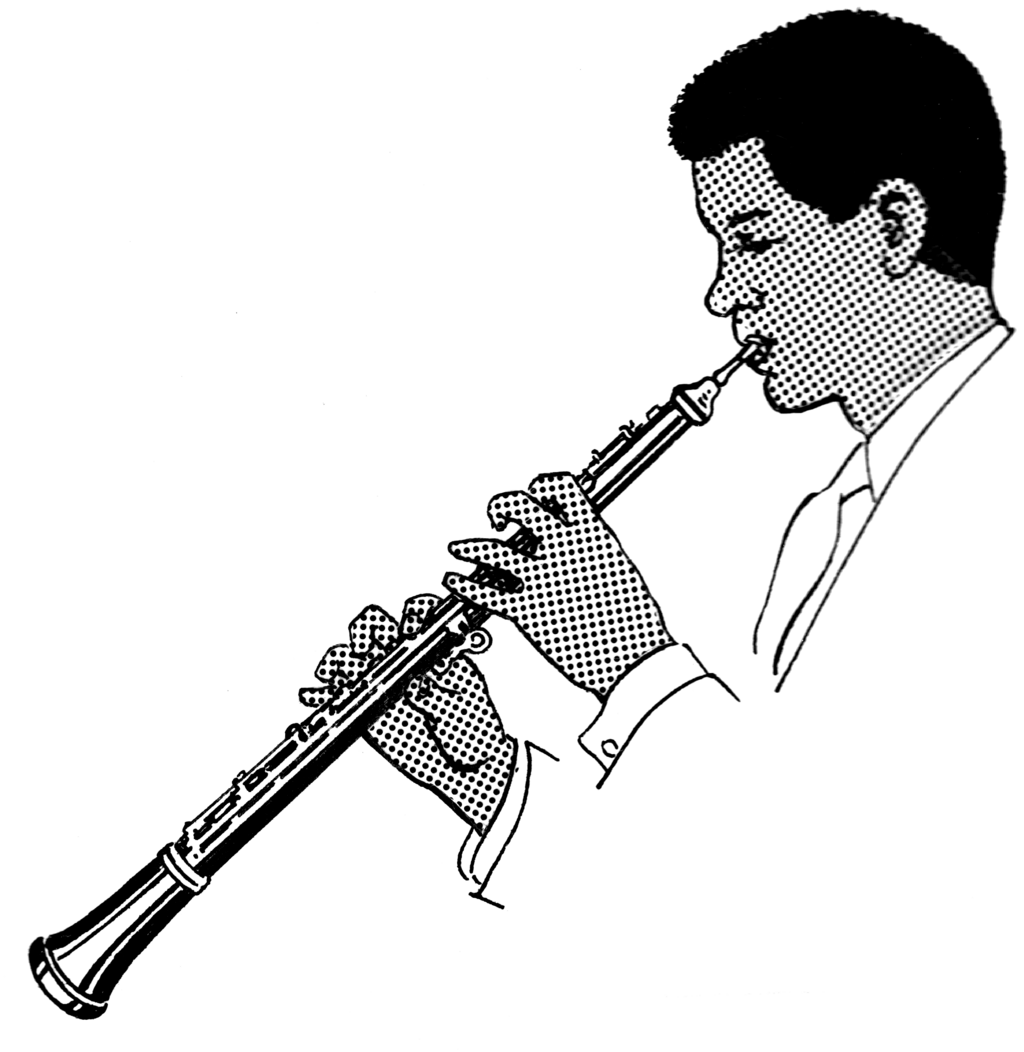
The embouchure—the way you shape your mouth around the reed—is fundamental to producing a rich, clear tone on the oboe.
This 'O' shape isn't just about your lips. The inside of your mouth becomes a resonant chamber, much like the body of a violin. To feel this, try saying "eee" and then "ooo." Notice how the space inside your mouth changes? An "eee" vowel shape creates a flat, bright sound, while an "ooo" or "oh" shape creates a dark, round, and open sound. For the oboe, you want to maintain that open, resonant "ooo" chamber to give your tone depth and warmth.
Finding the Sweet Spot
Once you have the 'O' shape, you need to place the reed correctly. Biting often happens when the reed is either too far in or not far enough in the mouth. If it's too shallow, you'll work too hard and get a weak sound. If it's too deep, you'll lose control and sound squawky.
The sweet spot is where the tip of the reed rests near the center of your lower lip's red part. Only a small amount of the reed should be in your mouth, roughly where the cane's scrape begins to meet the bark. Your top lip should rest gently on the reed, providing stability without adding pressure.
Avoid the temptation to use your jaw. Instead, think of your lips as a gentle, supportive hug for the reed.
To build strength and flexibility, practice long tones in front of a mirror. Watch your embouchure. Do your cheeks puff out? Do your corners collapse? Stay focused on maintaining that firm 'O' shape. Another great exercise is practicing (also called overtones). Without changing your fingering for a low note (like low B-flat or C), use your embouchure and air support to produce the higher pitches of the overtone series. This forces you to make subtle adjustments with your lip cushion and air stream, developing the fine muscle control needed for a truly flexible and stable sound across all registers.
Now let's check your understanding of these embouchure concepts.
What is the primary negative consequence of biting the oboe reed?
To create a resonant chamber inside your mouth for a warm tone, you should aim for the internal shape associated with which vowel sound?
Refining your embouchure takes time and patient practice. By focusing on the 'O' shape, using muscular support instead of jaw pressure, and finding the reed's sweet spot, you'll unlock a richer, more controlled, and more enjoyable playing experience.